Department of Cardiovascular Medicine, Mayo Clinic, Center for Regenerative Medicine, Marriott Heart Disease Research Program, Van Cleve Cardiac Regenerative Medicine Program, Rochester, MN 55905, USA.
Department of Medicine, Division of Geriatric Medicine & Gerontology, Mayo Clinic, Rochester, MN 55905, USA.
Biomark Med. 2021 Jun;15(10):775-783. doi: 10.2217/bmm-2020-0683. Epub 2021 Jun 25.
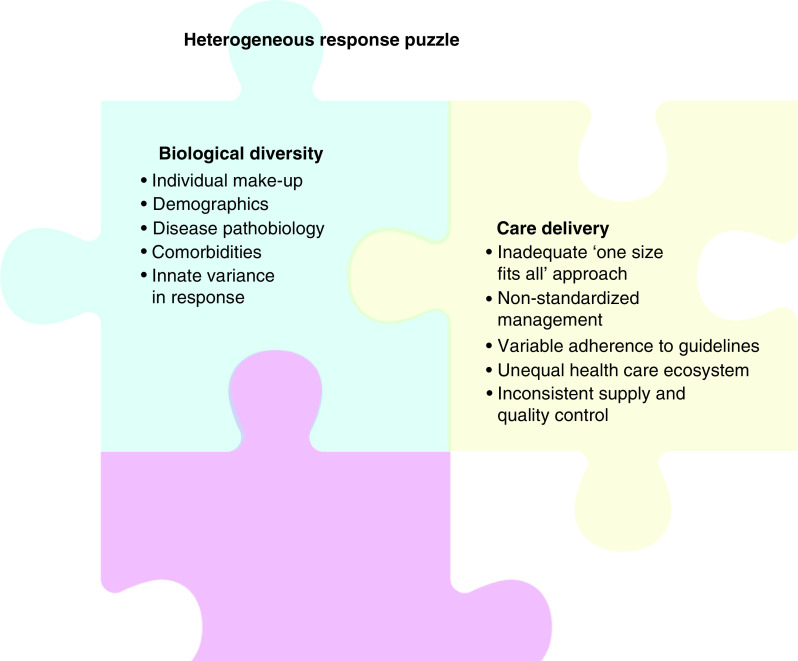
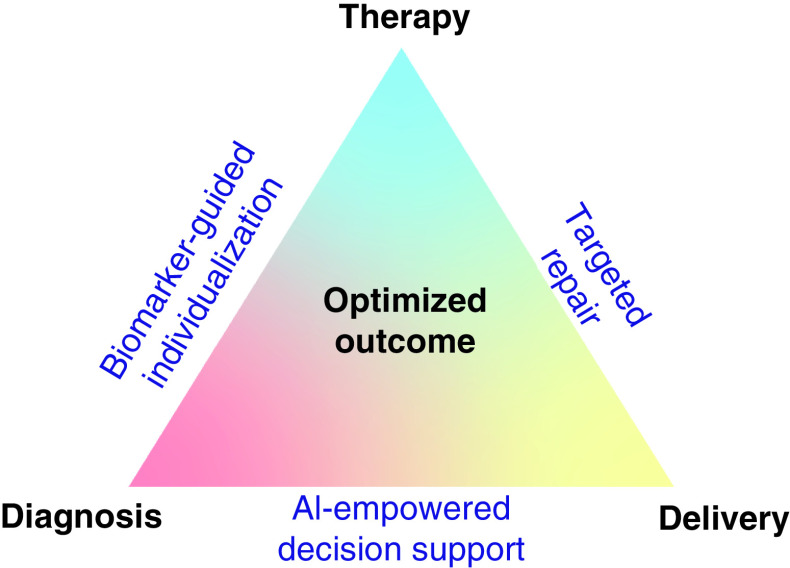
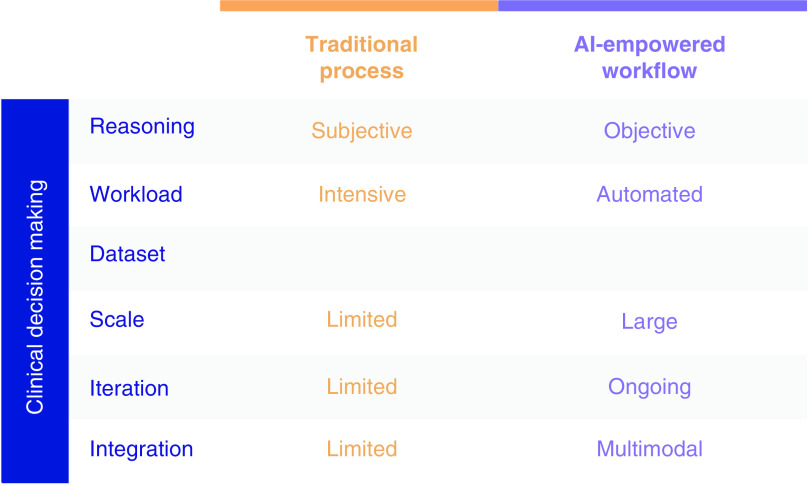
Risk of outcome variability challenges therapeutic innovation. Selection of the most suitable candidates is predicated on reliable response indicators. Especially for emergent regenerative biotherapies, determinants separating success from failure in achieving disease rescue remain largely unknown. Accordingly, (pre)clinical development programs have placed increased emphasis on the multi-dimensional decoding of repair capacity and disease resolution, attributes defining responsiveness. To attain regenerative goals for each individual, phenotype-based patient selection is poised for an upgrade guided by new insights into disease biology, translated into refined surveillance of response regulators and deep learning-amplified clinical decision support.
治疗创新面临结果变异性风险。最合适的候选者的选择取决于可靠的反应指标。特别是对于紧急再生生物疗法,在实现疾病挽救方面,决定成功与失败的决定因素在很大程度上仍然未知。因此,(临床前)开发计划更加重视修复能力和疾病缓解的多维解码,这些属性定义了反应性。为了实现每个个体的再生目标,基于表型的患者选择有望通过对疾病生物学的新见解进行升级,转化为对反应调节剂的精细监测和深度学习增强的临床决策支持。