Zhao Zhenyu, Cai Qidong, Zhang Pengfei, He Boxue, Peng Xiong, Tu Guangxu, Peng Weilin, Wang Li, Yu Fenglei, Wang Xiang
Department of Thoracic Surgery, The Second Xiangya Hospital of Central South University, Changsha, China.
Hunan Key Laboratory of Early Diagnosis and Precise Treatment of Lung Cancer, The Second Xiangya Hospital of Central South University, Changsha, China.
Front Mol Biosci. 2021 Jun 11;8:657087. doi: 10.3389/fmolb.2021.657087. eCollection 2021.
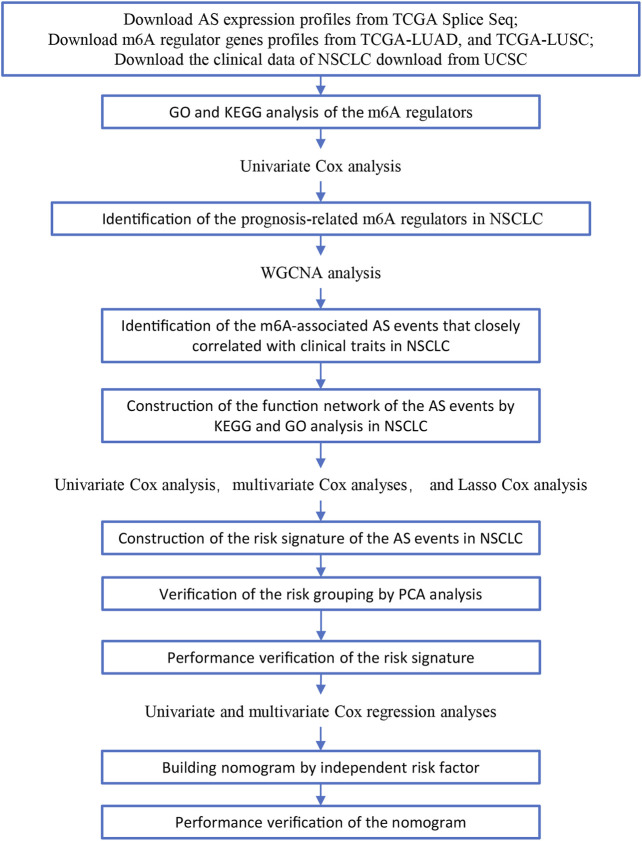
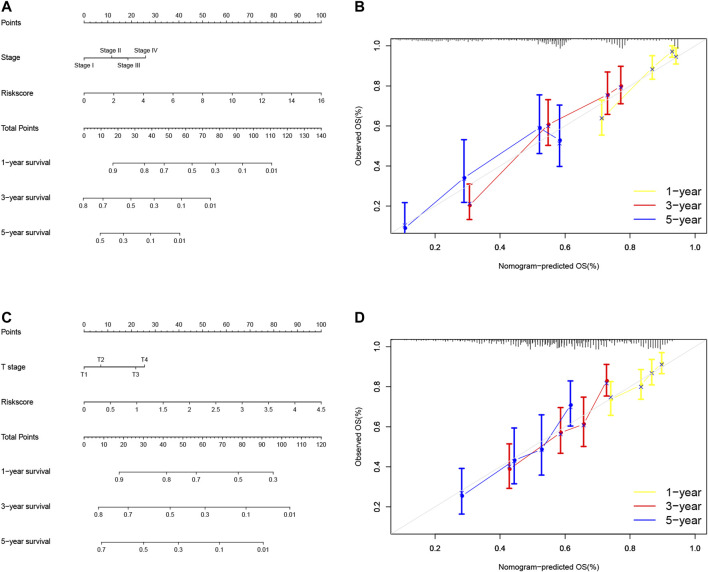
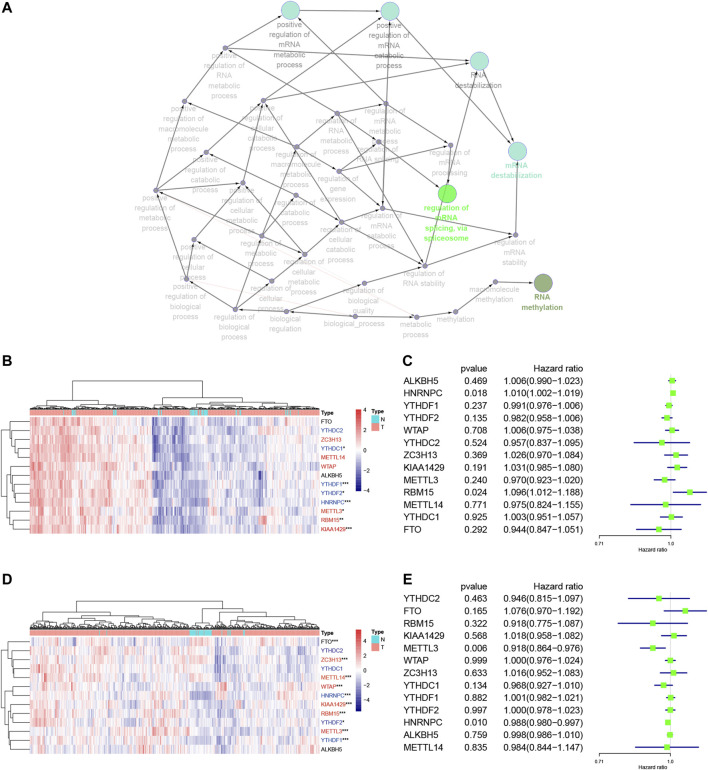
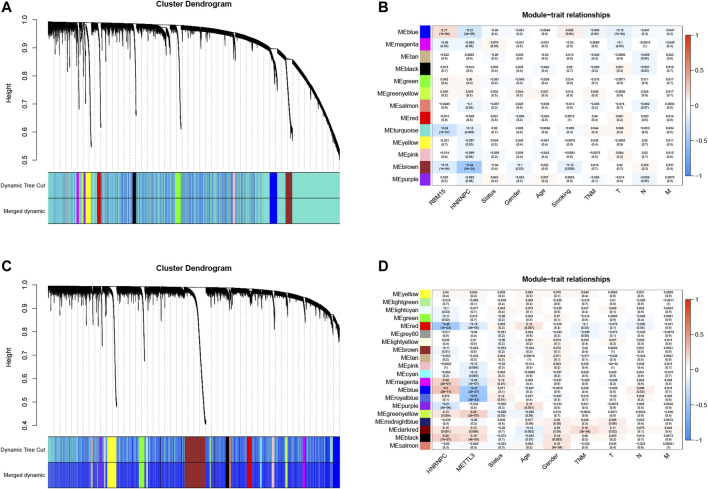
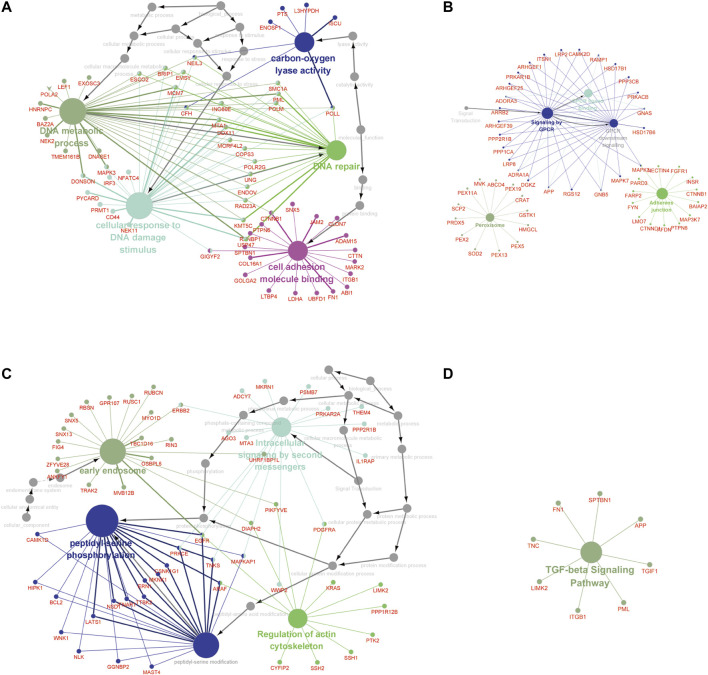
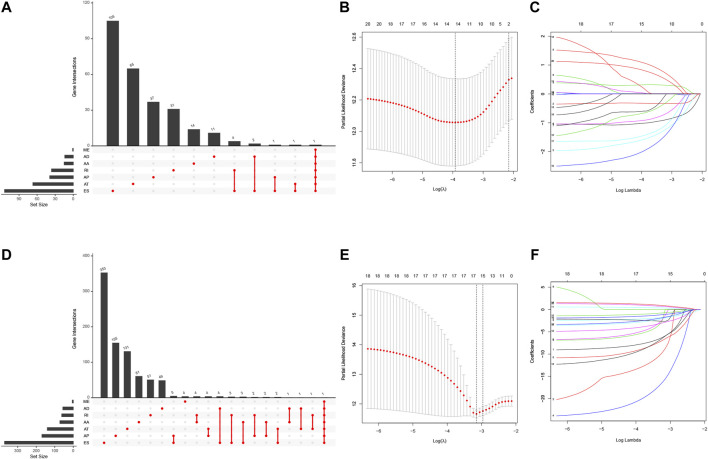
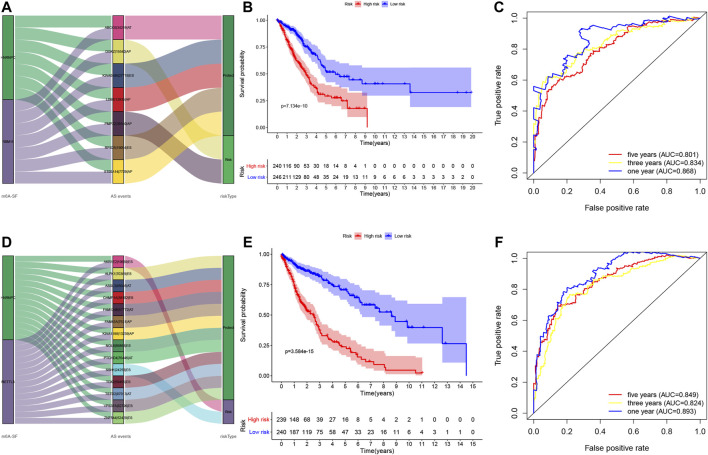
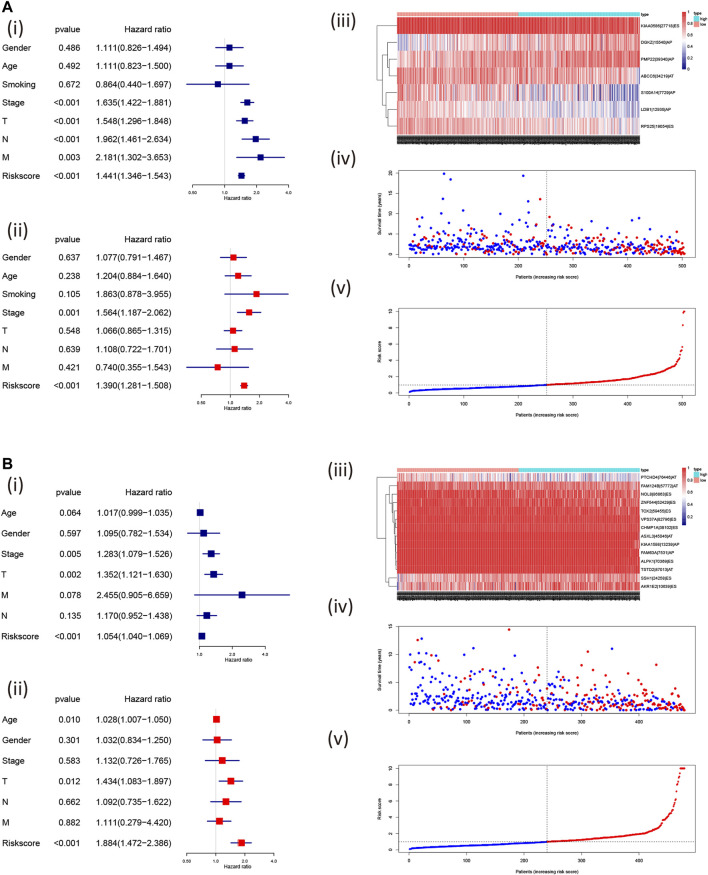
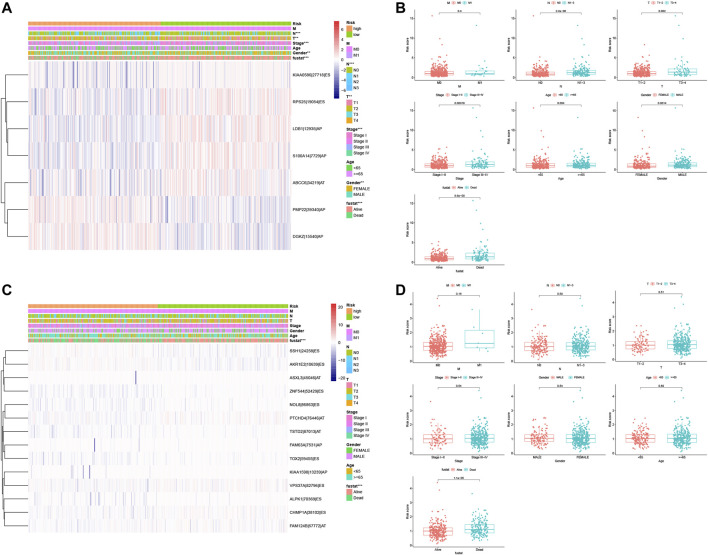
Aberrant N6-methyladenosine (m6A) RNA methylation regulatory genes and related gene alternative splicing (AS) could be used to predict the prognosis of non-small cell lung carcinoma. This study focused on 13 m6A regulatory genes (METTL3, METTL14, WTAP, KIAA1429, RBM15, ZC3H13, YTHDC1, YTHDC2, YTHDF1, YTHDF2, HNRNPC, FTO, and ALKBH5) and expression profiles in TCGA-LUAD ( = 504) and TCGA-LUSC ( = 479) datasets from the Cancer Genome Atlas database. The data were downloaded and bioinformatically and statistically analyzed, including the gene ontology and Kyoto Encyclopedia of Genes and Genomes pathway enrichment analyses. There were 43,948 mRNA splicing events in lung adenocarcinoma (LUAD) and 46,020 in lung squamous cell carcinoma (LUSC), and the data suggested that m6A regulators could regulate mRNA splicing. Differential HNRNPC and RBM15 expression was associated with overall survival (OS) of LUAD and HNRNPC and METTL3 expression with the OS of LUSC patients. Furthermore, the non-small cell lung cancer prognosis-related AS events signature was constructed and divided patients into high- low-risk groups using seven and 14 AS genes in LUAD and LUSC, respectively. The LUAD risk signature was associated with gender and T, N, and TNM stages, but the LUSC risk signature was not associated with any clinical features. In addition, the risk signature and TNM stage were independent prognostic predictors in LUAD and the risk signature and T stage were independent prognostic predictors in LUSC after the multivariate Cox regression and receiver operating characteristic analyses. In conclusion, this study revealed the AS prognostic signature in the prediction of LUAD and LUSC prognosis.
异常的N6-甲基腺苷(m6A)RNA甲基化调控基因及相关基因可变剪接(AS)可用于预测非小细胞肺癌的预后。本研究聚焦于13个m6A调控基因(METTL3、METTL14、WTAP、KIAA1429、RBM15、ZC3H13、YTHDC1、YTHDC2、YTHDF1、YTHDF2、HNRNPC、FTO和ALKBH5)及其在癌症基因组图谱数据库的TCGA-LUAD(n = 504)和TCGA-LUSC(n = 479)数据集中的表达谱。下载数据并进行生物信息学和统计学分析,包括基因本体论和京都基因与基因组百科全书通路富集分析。肺腺癌(LUAD)中有43,948个mRNA剪接事件,肺鳞状细胞癌(LUSC)中有46,020个,数据表明m6A调控因子可调节mRNA剪接。HNRNPC和RBM15的差异表达与LUAD的总生存期(OS)相关,HNRNPC和METTL3的表达与LUSC患者的OS相关。此外,构建了非小细胞肺癌预后相关的AS事件特征,并分别使用LUAD和LUSC中的7个和14个AS基因将患者分为高、低风险组。LUAD风险特征与性别以及T、N和TNM分期相关,但LUSC风险特征与任何临床特征均无关联。此外,在多变量Cox回归和受试者工作特征分析后,风险特征和TNM分期是LUAD的独立预后预测指标,风险特征和T分期是LUSC的独立预后预测指标。总之,本研究揭示了AS预后特征在预测LUAD和LUSC预后中的作用。