Maimaiti Aierpati, Tuersunniyazi Abudireheman, Meng Xianghong, Pei Yinan, Ji Wenyu, Feng Zhaohai, Jiang Lei, Wang Zengliang, Kasimu Maimaitijiang, Wang Yongxin, Shi Xin
Department of Neurosurgery, Neurosurgery Centre, The First Affiliated Hospital of Xinjiang Medical University, Urumqi, China.
Department of Neurosurgery, Xinjiang Production and Construction Corps Hospital, Urumqi, China.
Front Genet. 2022 Jul 22;13:872186. doi: 10.3389/fgene.2022.872186. eCollection 2022.
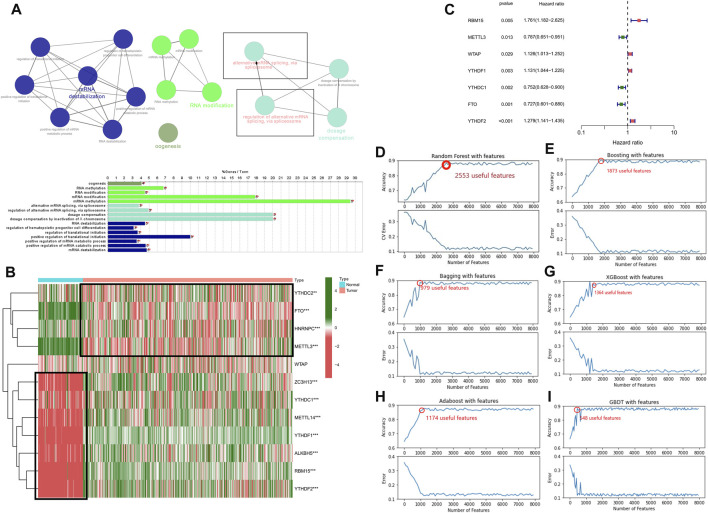
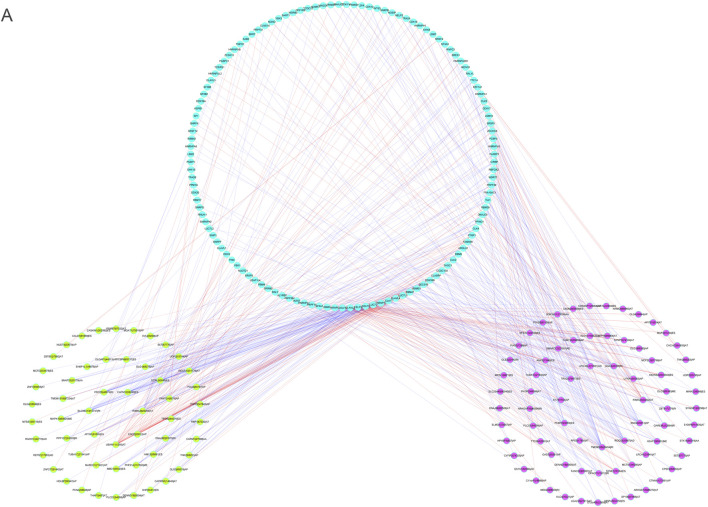
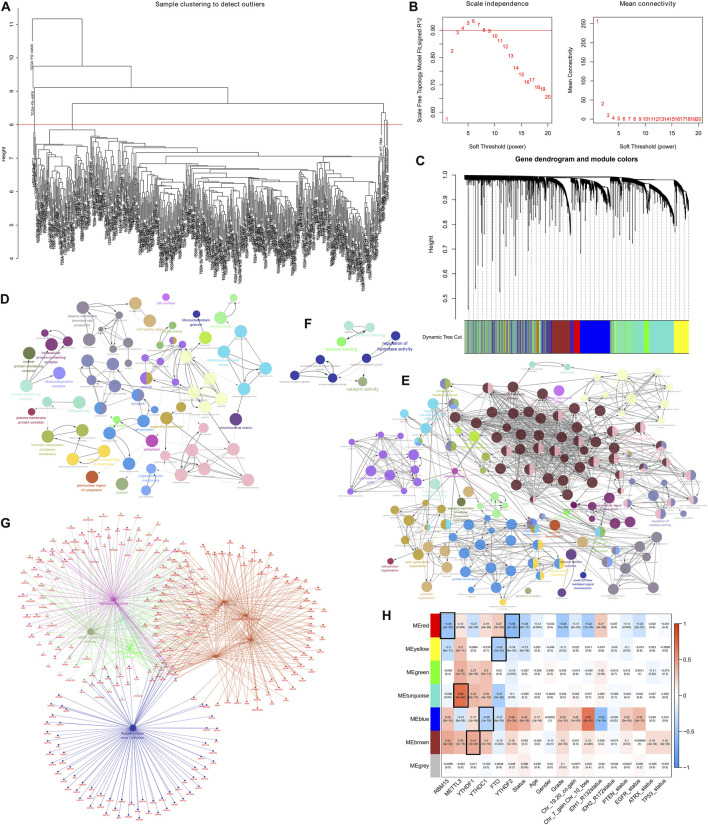
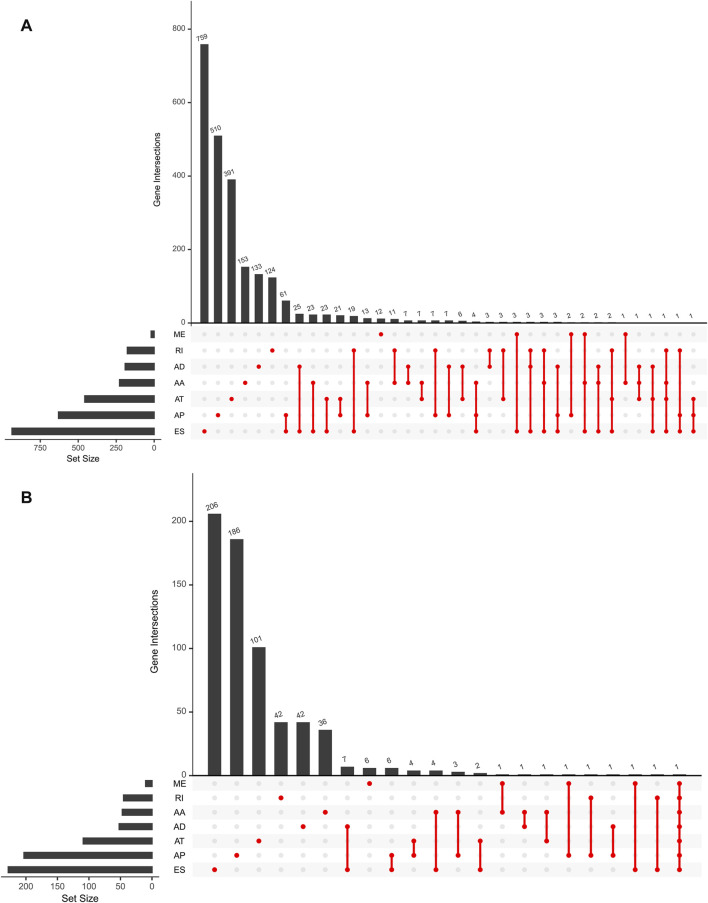
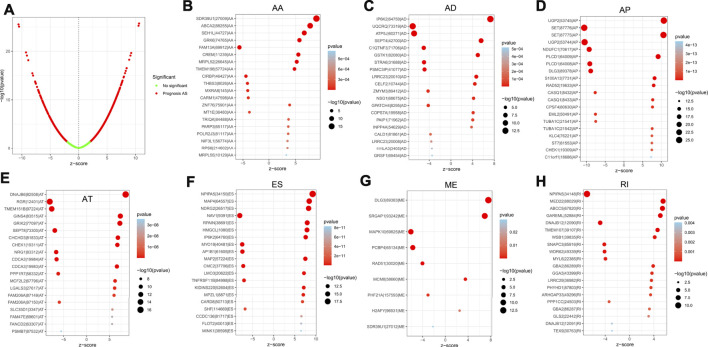
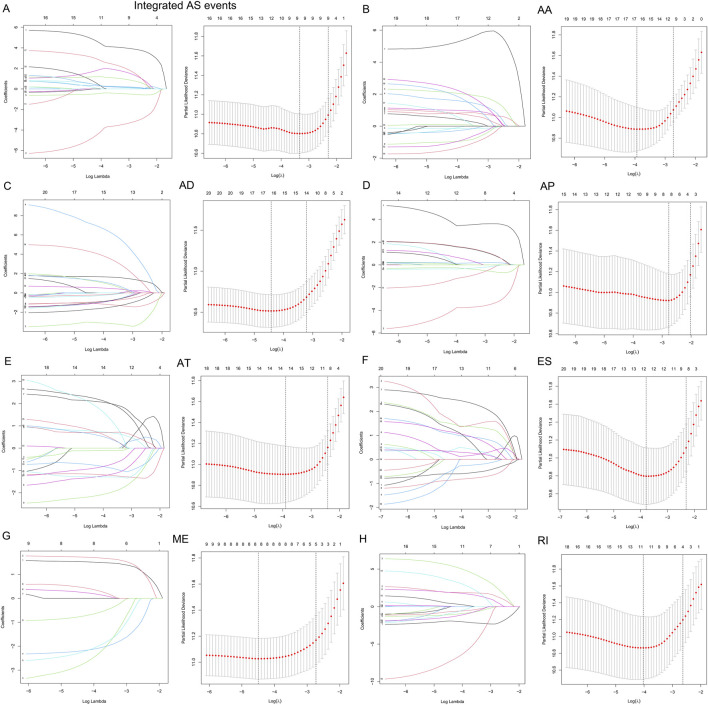
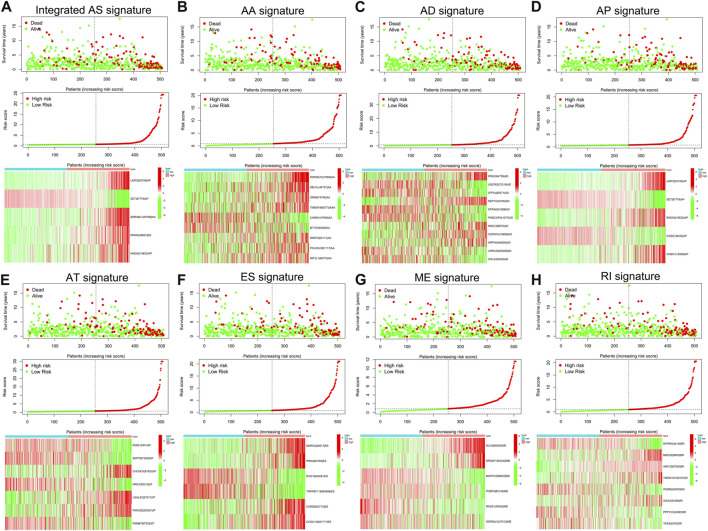
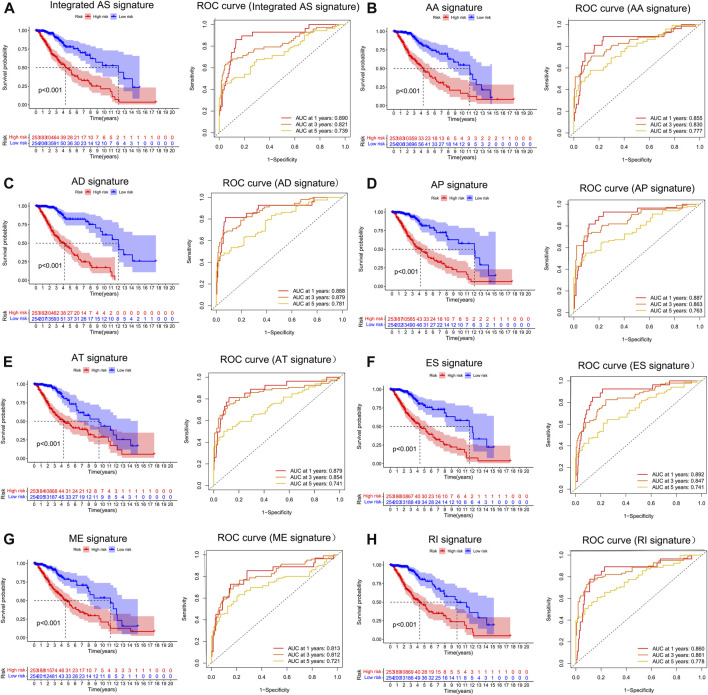
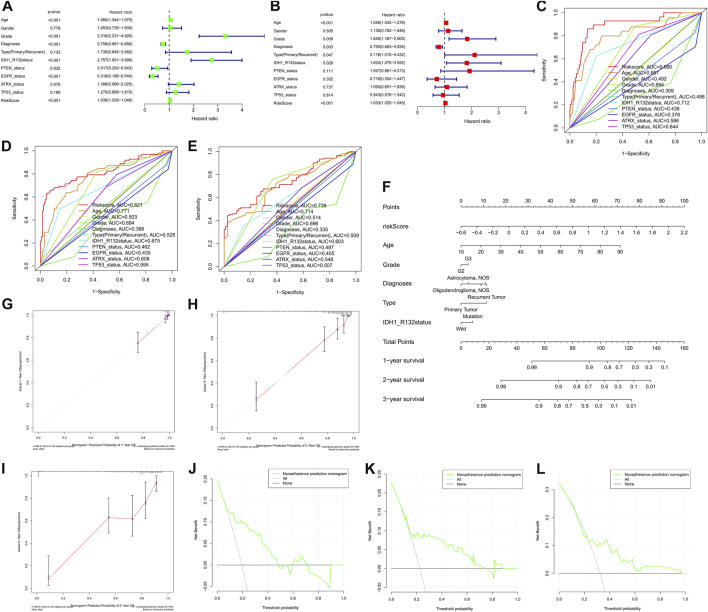
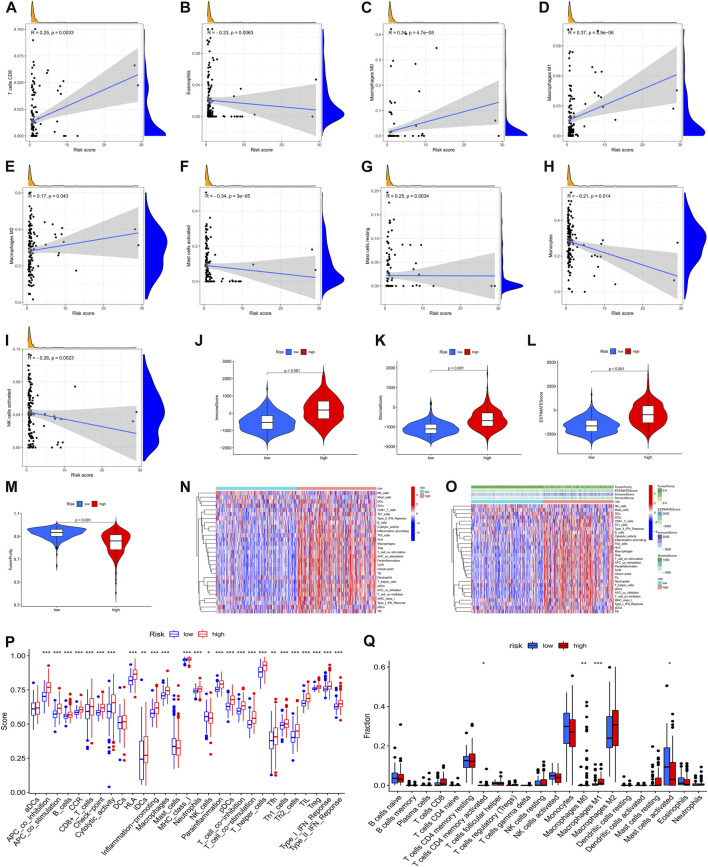
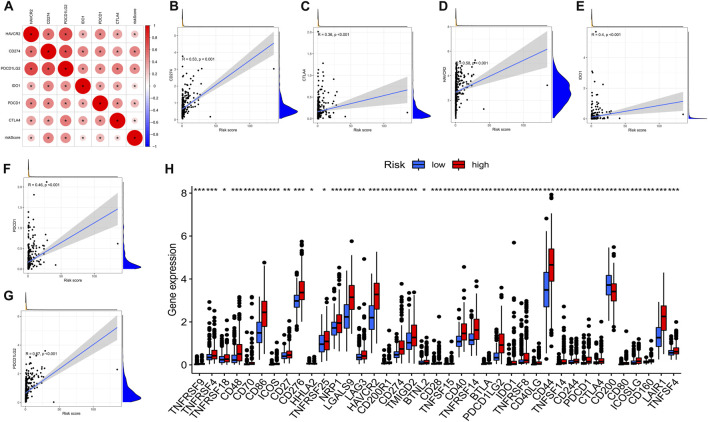
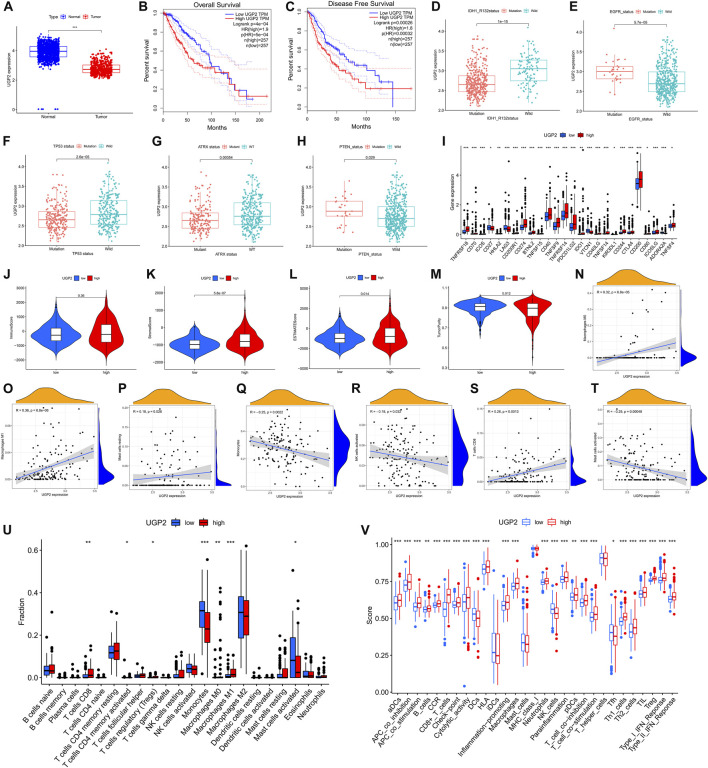
N6-methyladenosine (m6A) RNA methylation is an important epigenetic modification affecting alternative splicing (AS) patterns of genes to regulate gene expression. AS drives protein diversity and its imbalance may be an important factor in tumorigenesis. However, the clinical significance of m6A RNA methylation regulator-related AS in the tumor microenvironment has not been investigated in low-grade glioma (LGG). We used 12 m6A methylation modulatory genes (, , , , , , , , , , , and ) from The Cancer Genome Atlas (TCGA) database as well as the TCGA-LGG ( = 502) dataset of AS events and transcriptome data. These data were downloaded and subjected to machine learning, bioinformatics, and statistical analyses, including gene ontology (GO) and the Kyoto Encyclopedia of Genes and Genomes (KEGG) pathway enrichment analysis. Univariate Cox, the Least Absolute Shrinkage and Selection Operator (LASSO), and multivariable Cox regression were used to develop prognostic characteristics. Prognostic values were validated using Kaplan-Maier survival analysis, proportional risk models, ROC curves, and nomograms. The ESTIMATE package, TIMER database, CIBERSORT method, and ssGSEA algorithm in the R package were utilized to explore the role of the immune microenvironment in LGG. Lastly, an AS-splicing factor (SF) regulatory network was examined in the case of considering the role of SFs in regulating AS events. An aggregate of 3,272 regulator-related AS events in patients with LGG were screened using six machine learning algorithms. We developed eight AS prognostic characteristics based on splice subtypes, which showed an excellent prognostic prediction performance. Furthermore, quantitative prognostic nomograms were developed and showed strong validity in prognostic prediction. In addition, prognostic signatures were substantially associated with tumor immune microenvironment diversity, ICB-related genes, and infiltration status of immune cell subtypes. Specifically, UGP2 has better promise as a prognostic factor for LGG. Finally, splicing regulatory networks revealed the potential functions of SFs. The present research offers a novel perspective on the role of AS in m6A methylation. We reveal that m6A methylation regulator-related AS events can mediate tumor progression through the immune-microenvironment, which could serve as a viable biological marker for clinical stratification of patients with LGG so as to optimize treatment regimens.
N6-甲基腺苷(m6A)RNA甲基化是一种重要的表观遗传修饰,可影响基因的可变剪接(AS)模式以调节基因表达。AS驱动蛋白质多样性,其失衡可能是肿瘤发生的重要因素。然而,m6A RNA甲基化调节因子相关的AS在肿瘤微环境中的临床意义在低级别胶质瘤(LGG)中尚未得到研究。我们使用来自癌症基因组图谱(TCGA)数据库的12个m6A甲基化调节基因( 、 、 、 、 、 、 、 、 、 、 、 )以及AS事件和转录组数据的TCGA-LGG(n = 502)数据集。下载这些数据并进行机器学习、生物信息学和统计分析,包括基因本体论(GO)和京都基因与基因组百科全书(KEGG)通路富集分析。使用单变量Cox、最小绝对收缩和选择算子(LASSO)以及多变量Cox回归来建立预后特征。使用Kaplan-Meier生存分析、比例风险模型、ROC曲线和列线图验证预后价值。利用R包中的ESTIMATE软件包、TIMER数据库、CIBERSORT方法和ssGSEA算法来探索免疫微环境在LGG中的作用。最后,在考虑剪接因子(SF)在调节AS事件中的作用的情况下,研究了一个AS剪接因子调节网络。使用六种机器学习算法筛选出LGG患者中总共3272个调节因子相关的AS事件。我们基于剪接亚型开发了八个AS预后特征,其显示出优异的预后预测性能。此外,开发了定量预后列线图并在预后预测中显示出强大的有效性。此外,预后特征与肿瘤免疫微环境多样性、ICB相关基因以及免疫细胞亚型的浸润状态密切相关。具体而言,UGP2作为LGG的预后因子具有更好的前景。最后,剪接调节网络揭示了SF的潜在功能。本研究为AS在m6A甲基化中的作用提供了新的视角。我们揭示了m6A甲基化调节因子相关的AS事件可通过免疫微环境介导肿瘤进展,这可作为LGG患者临床分层的可行生物标志物,从而优化治疗方案。