Honorary Director General, National Institute of Neuroscience, National Center of Neurology and Psychiatry (NCNP), Kodaira, Japan.
Professor and Vice Chair of VA Affairs, Department of Neurology, University of Pittsburgh School of Medicine, Division Chief, Neurology, Medical Service Line, VA Pittsburgh Healthcare System, Pittsburgh, PA, USA.
J Neuromuscul Dis. 2021;8(s2):S343-S358. doi: 10.3233/JND-210682.
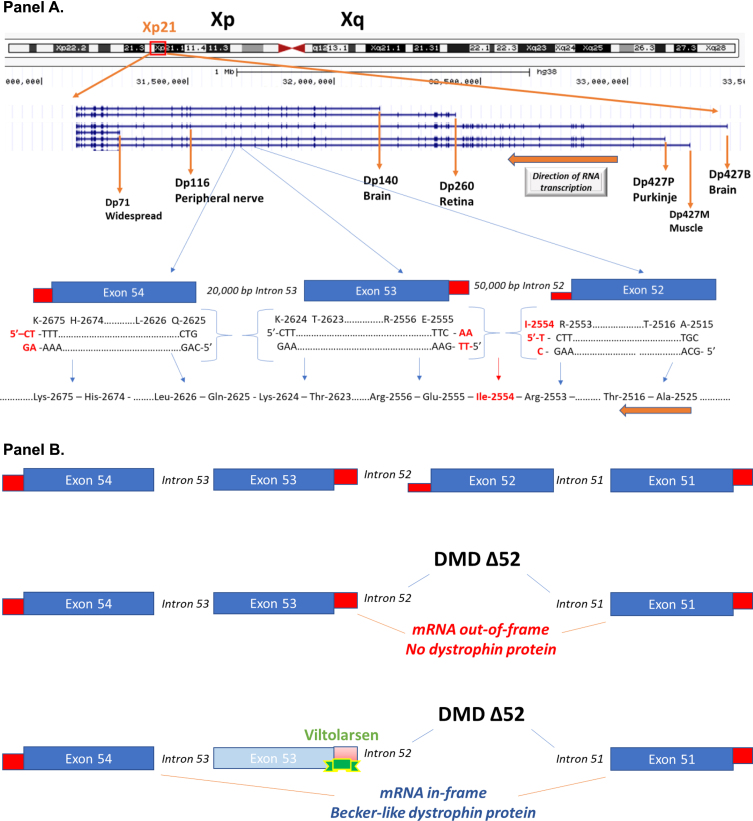
Duchenne muscular dystrophy (DMD) is a devastating, rare disease. While clinically described in the 19th century, the genetic foundation of DMD was not discovered until more than 100 years later. This genetic understanding opened the door to the development of genetic treatments for DMD. Over the course of the last 30 years, the research that supports this development has moved into the realm of clinical trials and regulatory drug approvals. Exon skipping to therapeutically restore the frame of an out-of-frame dystrophin mutation has taken center stage in drug development for DMD. The research reviewed here focuses on the clinical development of exon skipping for the treatment of DMD. In addition to the generation of clinical treatments that are being used for patient care, this research sets the stage for future therapeutic development with a focus on increasing efficacy while providing safety and addressing the multi-systemic aspects of DMD.
杜氏肌营养不良症(DMD)是一种严重的罕见疾病。虽然在 19 世纪就已经临床描述过,但直到 100 多年后才发现 DMD 的遗传基础。这种遗传认识为 DMD 的基因治疗打开了大门。在过去的 30 年中,支持这一发展的研究已经进入临床试验和监管药物批准的领域。外显子跳跃治疗以恢复无框突变的肌营养不良蛋白框架已成为 DMD 药物开发的中心。这里回顾的研究重点是外显子跳跃治疗 DMD 的临床开发。除了正在用于患者治疗的临床治疗方法的产生外,这项研究还为未来的治疗发展奠定了基础,重点是提高疗效,同时提供安全性并解决 DMD 的多系统方面。