Leeds Institute of Medical Research, St. James' University Hospital, University of Leeds, Leeds, UK.
School of Applied Sciences, University of Huddersfield, Huddersfield, UK.
Cancer Sci. 2021 Sep;112(9):3822-3834. doi: 10.1111/cas.15047. Epub 2021 Jul 12.
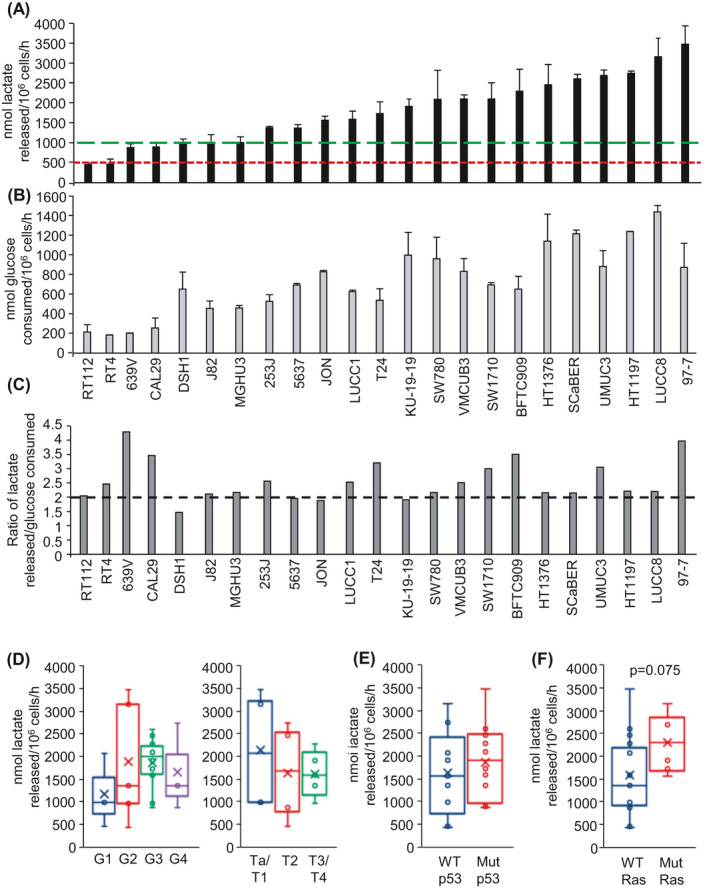
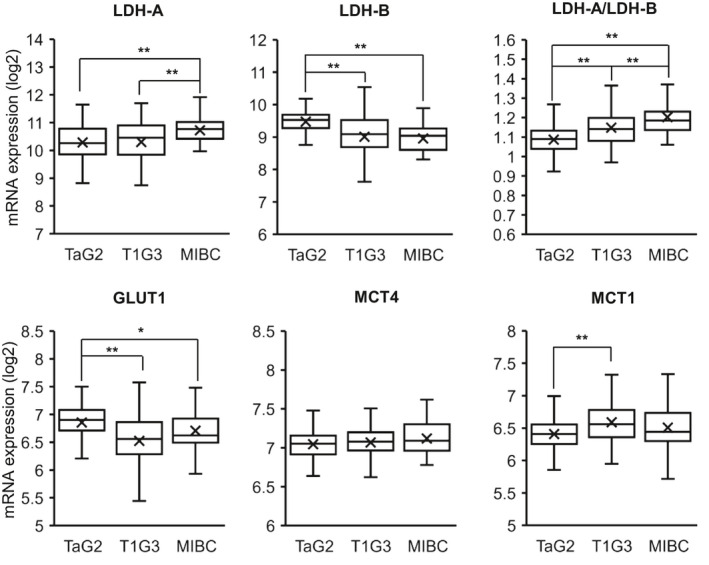
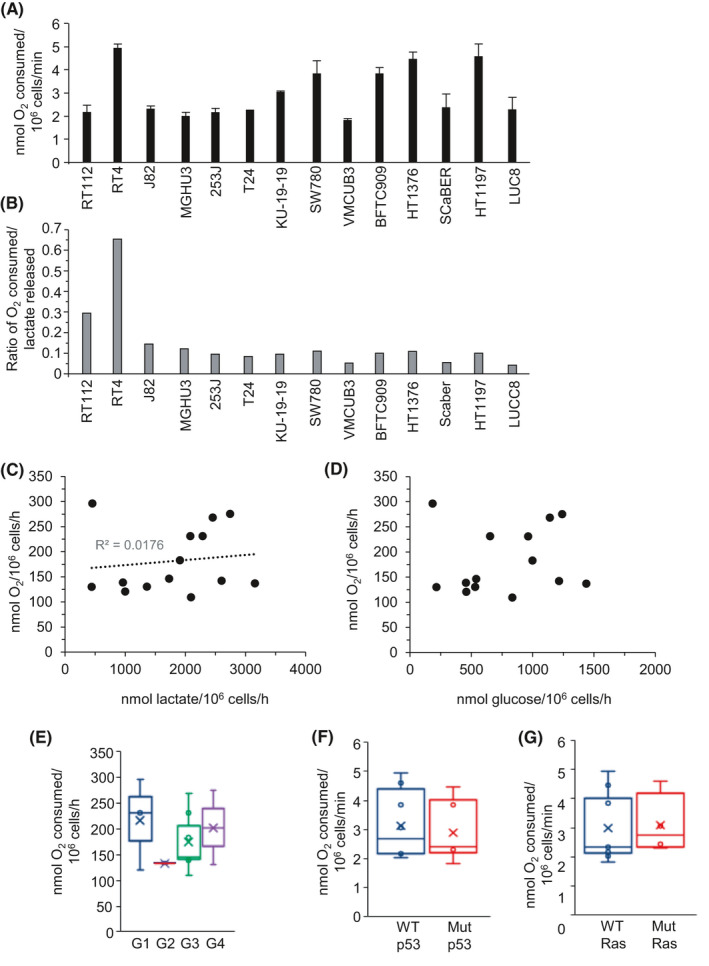
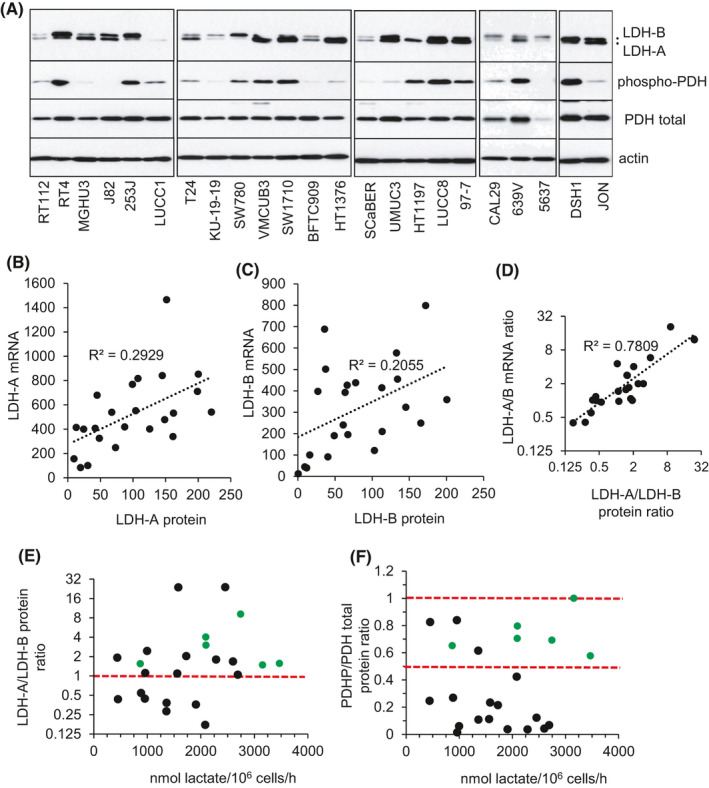
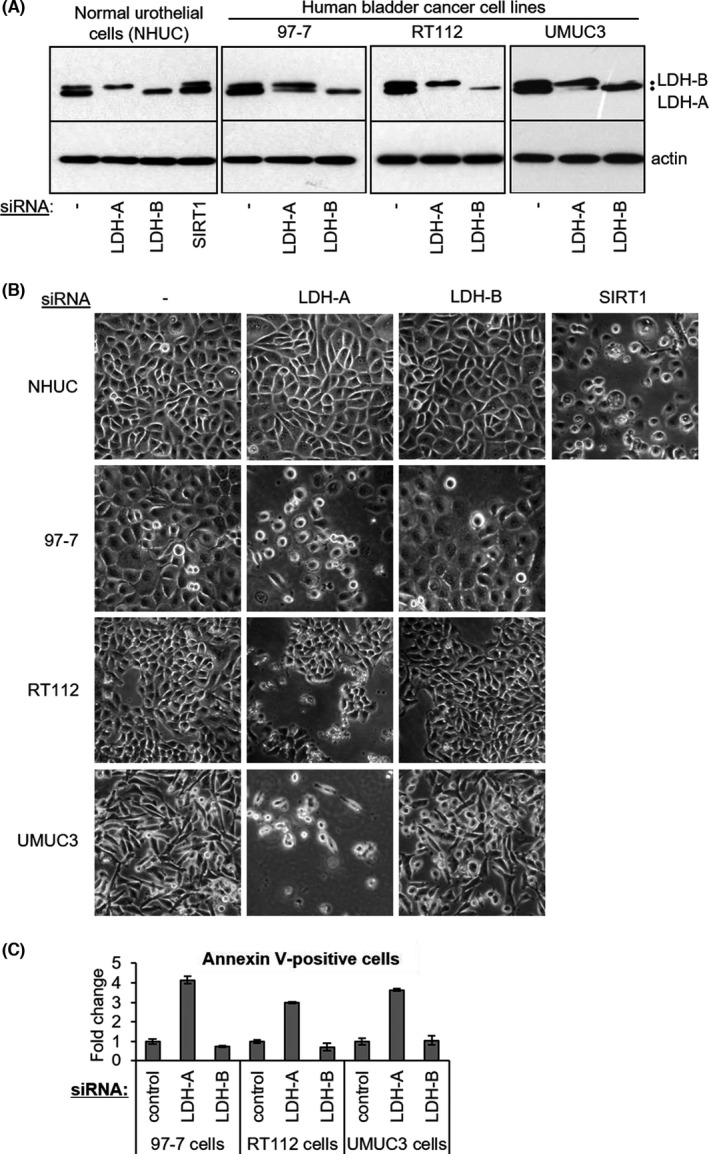
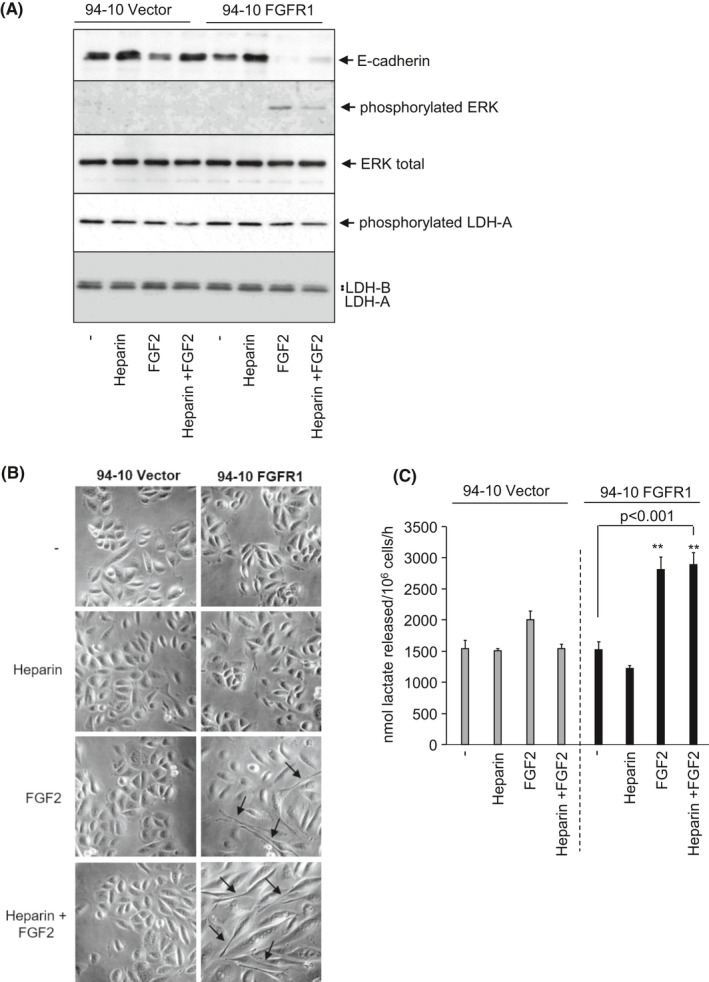
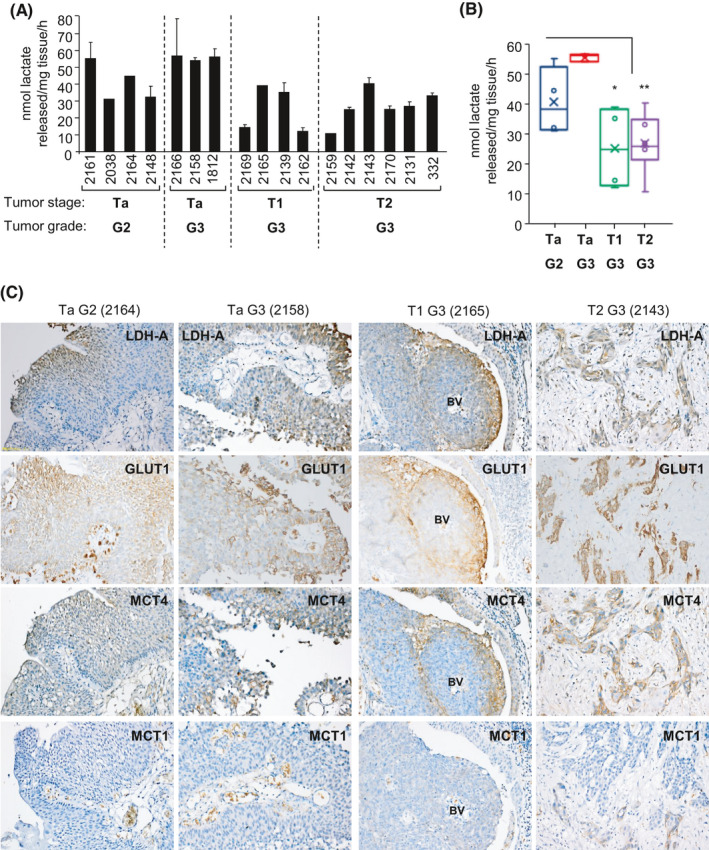
Bladder cancer is the 10th most common cancer worldwide. For muscle-invasive bladder cancer (MIBC), treatment includes radical cystectomy, radiotherapy, and chemotherapy; however, the outcome is generally poor. For non-muscle-invasive bladder cancer (NMIBC), tumor recurrence is common. There is an urgent need for more effective and less harmful therapeutic approaches. Here, bladder cancer cell metabolic reprogramming to rely on aerobic glycolysis (the Warburg effect) and expression of associated molecular therapeutic targets by bladder cancer cells of different stages and grades, and in freshly resected clinical tissue, is investigated. Importantly, analyses indicate that the Warburg effect is a feature of both NMIBCs and MIBCs. In two in vitro inducible epithelial-mesenchymal transition (EMT) bladder cancer models, EMT stimulation correlated with increased lactate production, the end product of aerobic glycolysis. Protein levels of lactate dehydrogenase A (LDH-A), which promotes pyruvate enzymatic reduction to lactate, were higher in most bladder cancer cell lines (compared with LDH-B, which catalyzes the reverse reaction), but the levels did not closely correlate with aerobic glycolysis rates. Although LDH-A is expressed in normal urothelial cells, LDH-A knockdown by RNAi selectively induced urothelial cancer cell apoptotic death, whereas normal cells were unaffected-identifying LDH-A as a cancer-selective therapeutic target for bladder cancers. LDH-A and other potential therapeutic targets (MCT4 and GLUT1) were expressed in patient clinical specimens; however, positive staining varied in different areas of sections and with distance from a blood vessel. This intratumoral heterogeneity has important therapeutic implications and indicates the possibility of tumor cell metabolic coupling.
膀胱癌是全球第 10 大常见癌症。对于肌层浸润性膀胱癌(MIBC),治疗方法包括根治性膀胱切除术、放疗和化疗;然而,结果通常较差。对于非肌层浸润性膀胱癌(NMIBC),肿瘤复发较为常见。因此,迫切需要更有效和危害更小的治疗方法。在这里,研究了膀胱癌细胞代谢重编程,以依赖有氧糖酵解(Warburg 效应)和不同阶段和分级的膀胱癌细胞以及新鲜切除的临床组织中相关分子治疗靶点的表达。重要的是,分析表明 Warburg 效应是 NMIBC 和 MIBC 的共同特征。在两个体外诱导的上皮-间充质转化(EMT)膀胱癌模型中,EMT 刺激与乳酸生成增加相关,乳酸是有氧糖酵解的终产物。在大多数膀胱癌细胞系中,促进丙酮酸酶促还原为乳酸的乳酸脱氢酶 A(LDH-A)蛋白水平(与催化相反反应的 LDH-B 相比)较高,但水平与有氧糖酵解率没有密切相关。虽然 LDH-A 在正常尿路上皮细胞中表达,但 RNAi 敲低 LDH-A 选择性诱导尿路上皮癌细胞凋亡死亡,而正常细胞不受影响,从而确定 LDH-A 是膀胱癌的癌症选择性治疗靶点。LDH-A 和其他潜在的治疗靶点(MCT4 和 GLUT1)在患者临床标本中表达;然而,阳性染色在切片的不同区域和距离血管的不同位置存在差异。这种肿瘤内异质性具有重要的治疗意义,并表明肿瘤细胞代谢偶联的可能性。