Department of Biochemistry, University of Lausanne, Epalinges, Switzerland.
Cancer Genomics Laboratory, Fondazione Edo ed Elvo Tempia, Biella, Italy.
EMBO Mol Med. 2021 Jul 7;13(7):e14133. doi: 10.15252/emmm.202114133. Epub 2021 Jun 29.
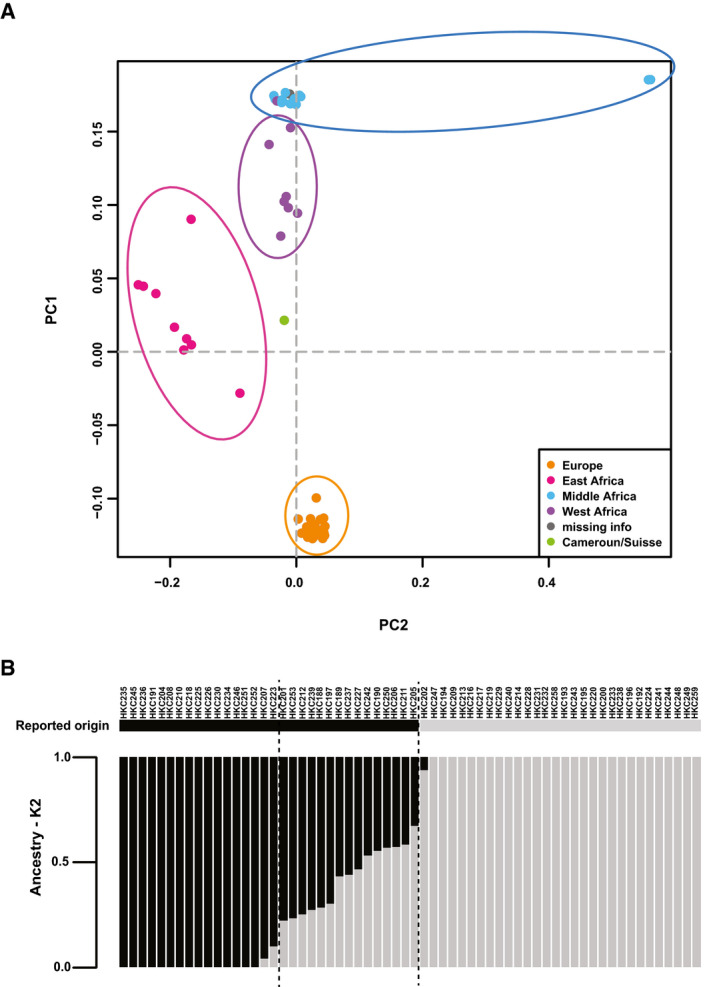
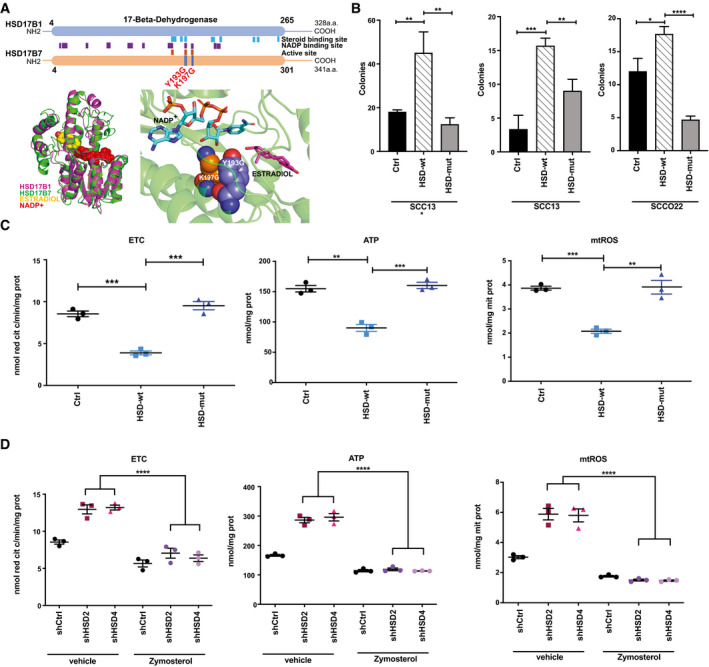
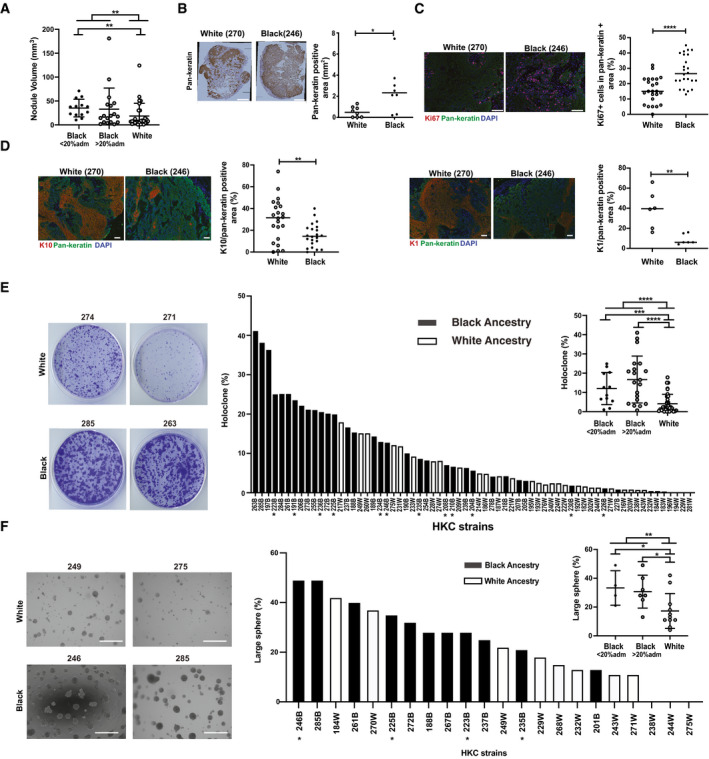
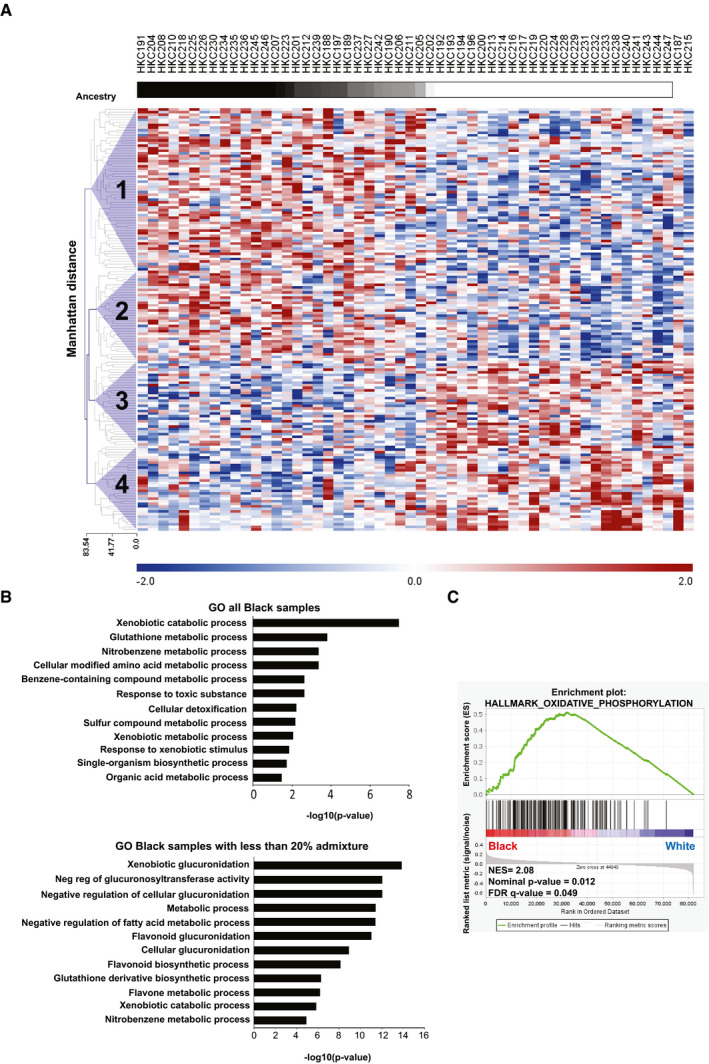
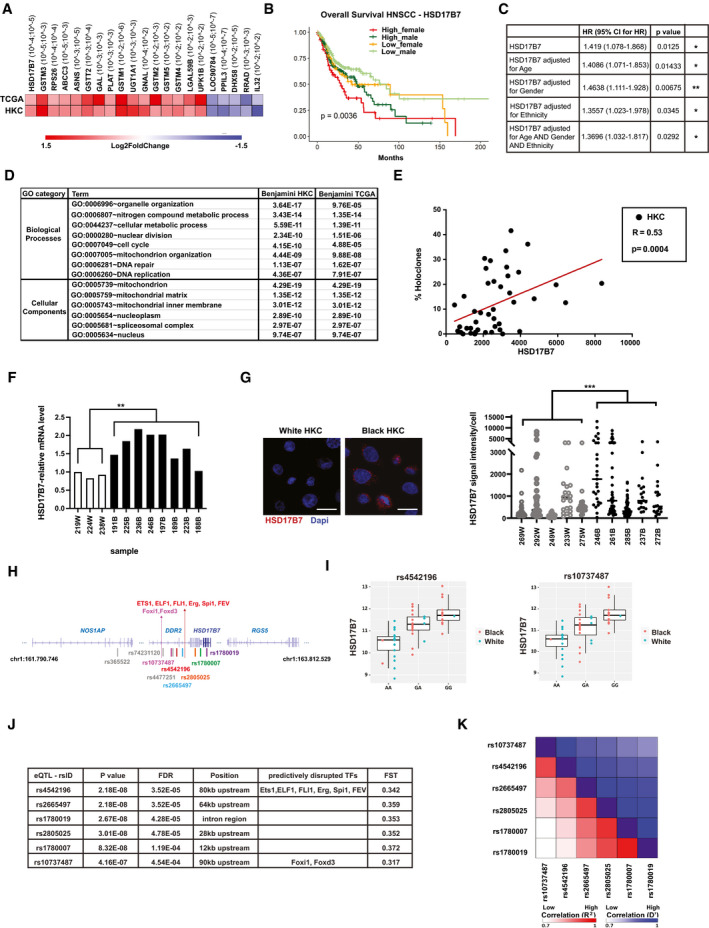
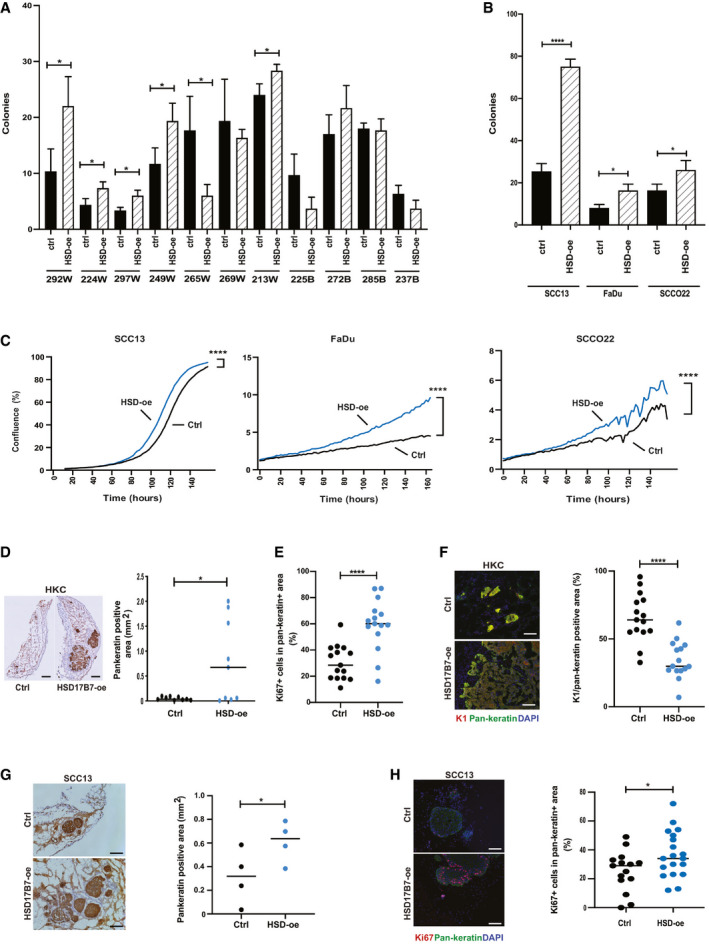
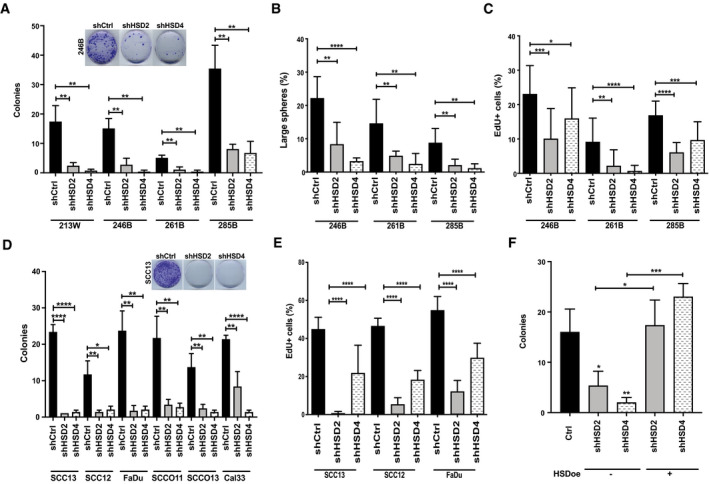
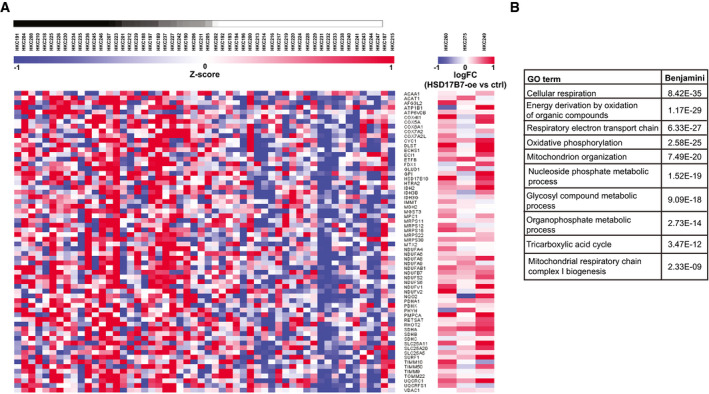
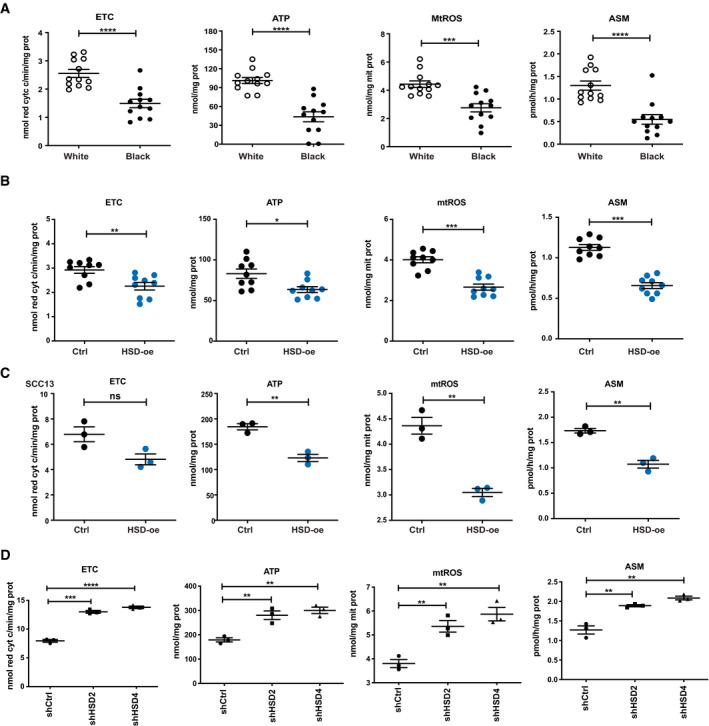
Human populations of Black African ancestry have a relatively high risk of aggressive cancer types, including keratinocyte-derived squamous cell carcinomas (SCCs). We show that primary keratinocytes (HKCs) from Black African (Black) versus White Caucasian (White) individuals have on average higher oncogenic and self-renewal potential, which are inversely related to mitochondrial electron transfer chain activity and ATP and ROS production. HSD17B7 is the top-ranked differentially expressed gene in HKCs and Head/Neck SCCs from individuals of Black African versus Caucasian ancestries, with several ancestry-specific eQTLs linked to its expression. Mirroring the differences between Black and White HKCs, modulation of the gene, coding for an enzyme involved in sex steroid and cholesterol biosynthesis, determines HKC and SCC cell proliferation and oncogenicity as well as mitochondrial OXPHOS activity. Overall, the findings point to a targetable determinant of cancer susceptibility among different human populations, amenable to prevention and management of the disease.
黑种人人群罹患侵袭性癌症类型(包括角质细胞衍生的鳞状细胞癌[SCC])的风险相对较高。我们发现,源自黑种人(黑人)而非白种高加索人(白人)的原代角质细胞(HKC)的平均致癌性和自我更新能力更高,而这两个特性与线粒体电子传递链活性以及 ATP 和 ROS 生成呈负相关。HSD17B7 是源自不同种系的个体的 HKC 和头颈部 SCC 中排名最高的差异表达基因,其表达与多个种系特异性 eQTL 相关。与黑人与白人 HKC 之间的差异相呼应,编码参与性激素和胆固醇生物合成的酶的基因的调节,决定了 HKC 和 SCC 细胞的增殖和致癌性以及线粒体 OXPHOS 活性。总体而言,这些发现指向了不同人群中可靶向的癌症易感性决定因素,从而可预防和管理该疾病。