School of Biological Sciences, Washington State University, Pullman, WA 99163;
Division of Biology, Kansas State University, Manhattan, KS 66506.
Proc Natl Acad Sci U S A. 2021 Jun 29;118(26). doi: 10.1073/pnas.2014929118.
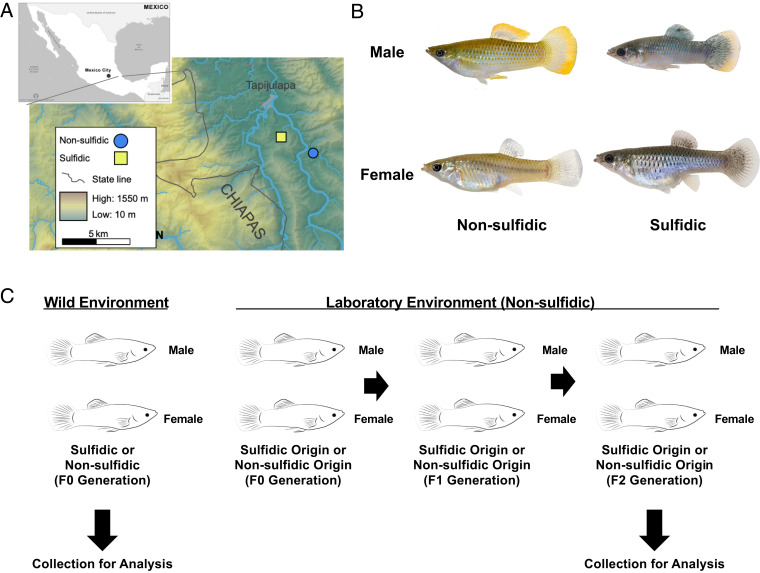
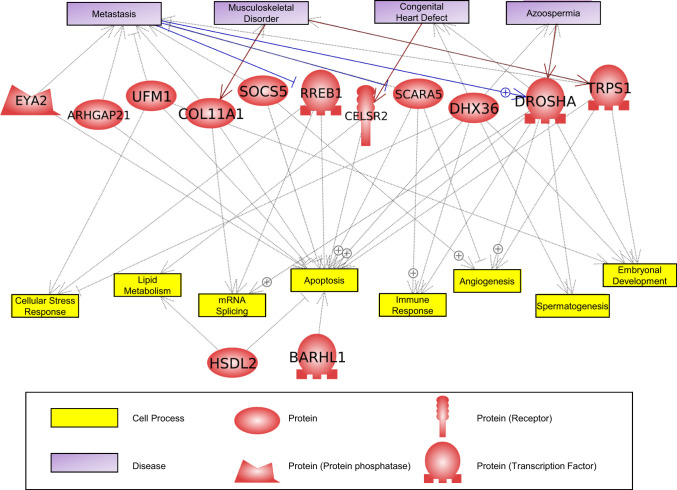
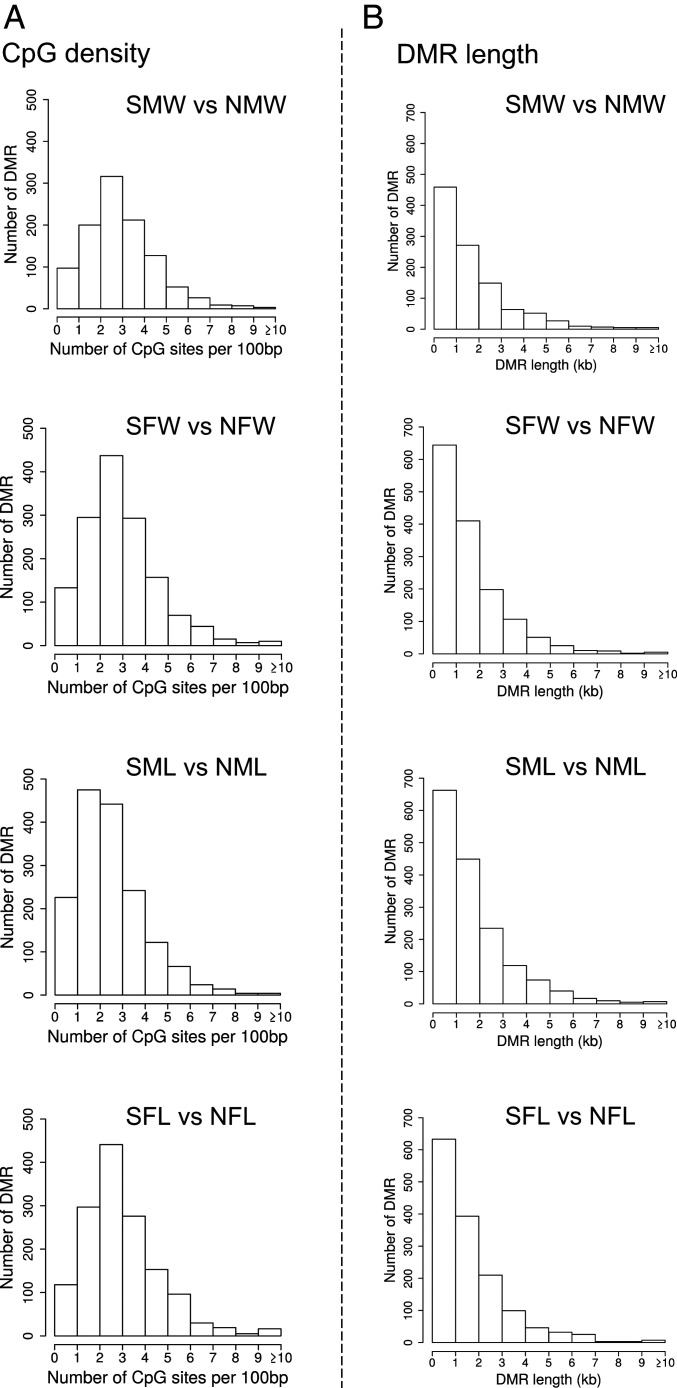
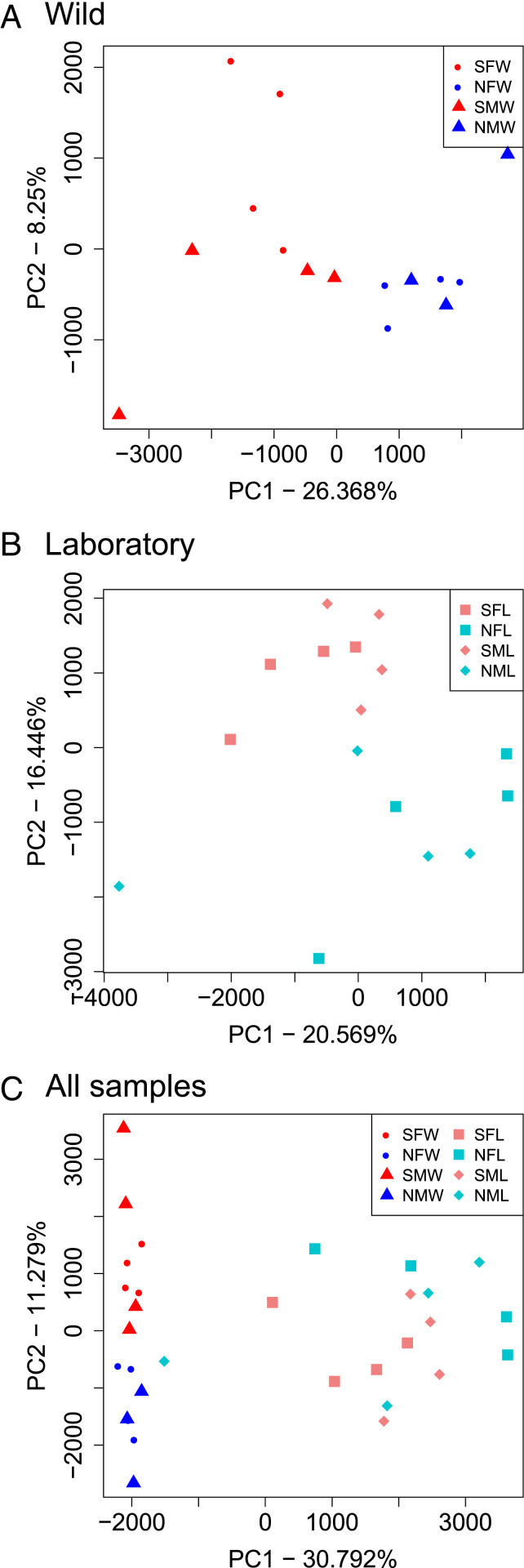
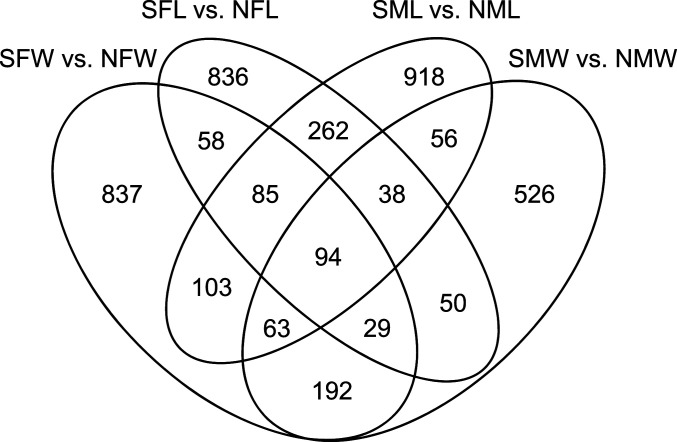
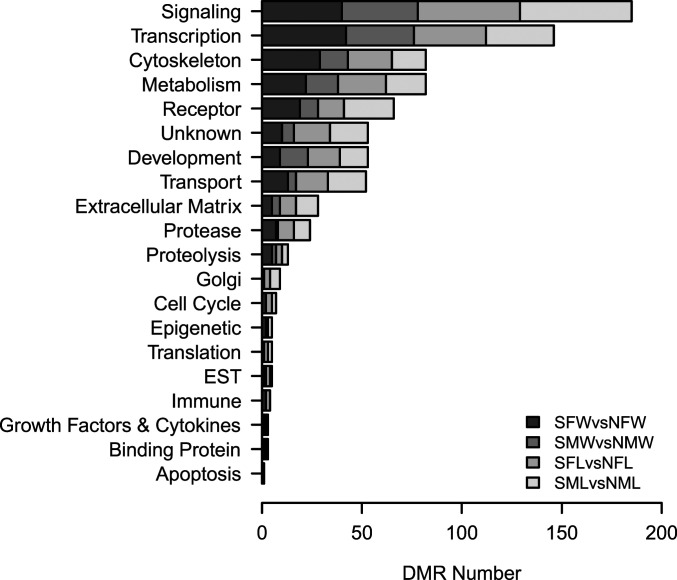
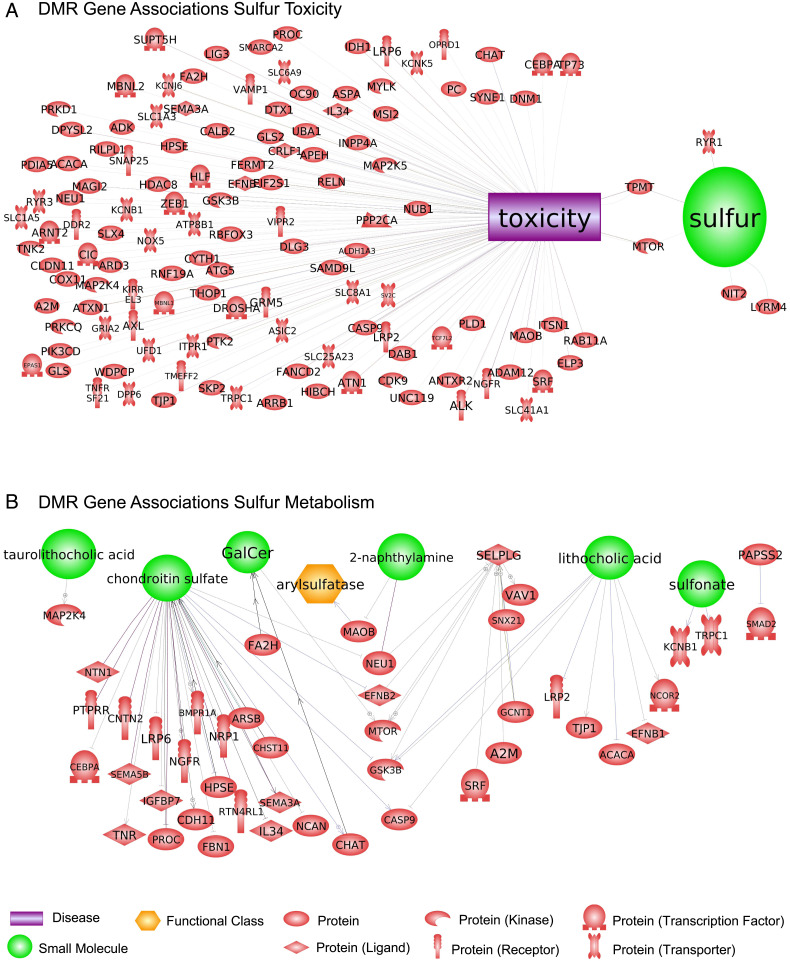
Environmental factors can promote phenotypic variation through alterations in the epigenome and facilitate adaptation of an organism to the environment. Although hydrogen sulfide is toxic to most organisms, the fish has adapted to survive in environments with high levels that exceed toxicity thresholds by orders of magnitude. Epigenetic changes in response to this environmental stressor were examined by assessing DNA methylation alterations in red blood cells, which are nucleated in fish. Males and females were sampled from sulfidic and nonsulfidic natural environments; individuals were also propagated for two generations in a nonsulfidic laboratory environment. We compared epimutations between the sexes as well as field and laboratory populations. For both the wild-caught (F0) and the laboratory-reared (F2) fish, comparing the sulfidic and nonsulfidic populations revealed evidence for significant differential DNA methylation regions (DMRs). More importantly, there was over 80% overlap in DMRs across generations, suggesting that the DMRs have stable generational inheritance in the absence of the sulfidic environment. This is an example of epigenetic generational stability after the removal of an environmental stressor. The DMR-associated genes were related to sulfur toxicity and metabolic processes. These findings suggest that adaptation of to sulfidic environments in southern Mexico may, in part, be promoted through epigenetic DNA methylation alterations that become stable and are inherited by subsequent generations independent of the environment.
环境因素可以通过改变表观基因组来促进表型变异,并促进生物体适应环境。尽管硫化氢对大多数生物都有毒性,但这种鱼已经适应了在高浓度硫化氢环境中生存,其浓度超过毒性阈值好几个数量级。通过评估鱼类有核红细胞中的 DNA 甲基化改变来研究对这种环境胁迫的表观遗传变化。从硫化和非硫化自然环境中采集雄性和雌性个体;还在非硫化实验室环境中对个体进行了两代繁殖。我们比较了性别之间以及野外和实验室种群之间的表观突变。对于野生捕获的(F0)和实验室饲养的(F2)鱼类,比较硫化和非硫化种群显示出有显著差异的 DNA 甲基化区域(DMR)的证据。更重要的是,跨代的 DMR 有 80%以上的重叠,这表明在没有硫化环境的情况下,DMR 具有稳定的代际遗传。这是去除环境胁迫后表观遗传代际稳定性的一个例子。与 DMR 相关的基因与硫毒性和代谢过程有关。这些发现表明,墨西哥南部鱼类对硫化环境的适应可能部分是通过表观遗传 DNA 甲基化改变来促进的,这些改变变得稳定,并在没有环境的情况下被后代继承。