Kedzior Sonya K, Jacknin Gabrielle, Hudler Andi, Mueller Scott W, Kiser Tyree Heath
Department of Clinical Pharmacy, University of Colorado Skaggs School of Pharmacy and Pharmaceutical Sciences, Aurora, CO, USA.
Department of Pharmacy, University of Colorado Hospital, Aurora, CO, USA.
Am J Case Rep. 2021 Jun 29;22:e931702. doi: 10.12659/AJCR.931702.
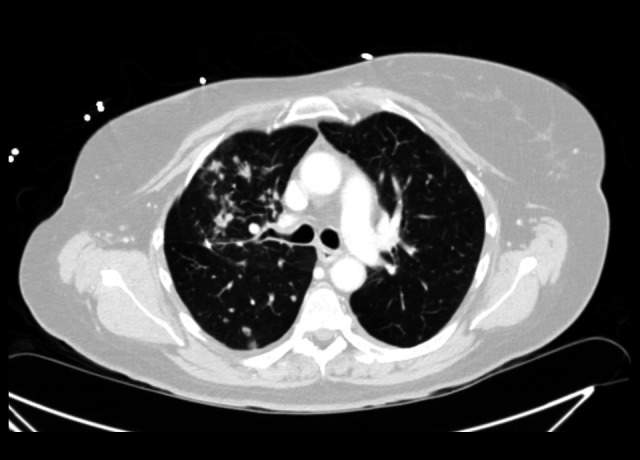
BACKGROUND Immune checkpoint inhibitors (ICIs) are a novel class of antibodies, which have been increasingly utilized in cancer immunotherapies. Pembrolizumab is a humanized IgG4 monoclonal antibody, which acts against programmed cell death (PD)-1 receptors to help restore the body's T-cell and immune response. CASE REPORT In this case, we present a 51-year-old woman with a past medical history of lung adenocarcinoma and triple-positive breast cancer who was actively receiving therapy with pembrolizumab. Following her second chemotherapy cycle, she developed a severe case of diabetic ketoacidosis (DKA), with concern for new-onset autoimmune type 1 diabetes mellitus (T1DM), secondary to her recent ICI therapy. The patient was initiated on a high-dose insulin infusion for rapid glycemic control and was successfully transitioned to a subcutaneous regimen approximately 24 h after presentation. She additionally developed other autoimmune-related complications, including hepatoxicity, duodenitis, and a maculopapular rash, which all resolved upon discontinuation of the ICI treatment. Her laboratory test results were consistent with positive anti-glutamic acid decarboxylase (anti-GAD) antibodies and undetectable c-peptides, illustrating the uniqueness of an ICI potentially precipitating an autoimmune T1DM. CONCLUSIONS Immune-related adverse events from ICI therapy warrant further investigation to acknowledge the risk of potentially life-threatening adverse reactions, such as the development of DKA. Patients receiving ICI therapy should be educated on signs and symptoms of hyperglycemia, and routine measurements of blood glucose levels should be completed during each chemotherapy cycle. Future research in assessing potential biomarkers of beta cell dysfunction, such as anti-GAD antibodies and c-peptides, is of interest, particularly for patients receiving ICI therapies.
背景 免疫检查点抑制剂(ICIs)是一类新型抗体,已越来越多地应用于癌症免疫治疗。帕博利珠单抗是一种人源化IgG4单克隆抗体,它作用于程序性细胞死亡(PD)-1受体,以帮助恢复机体的T细胞和免疫反应。病例报告 在本病例中,我们介绍了一名51岁女性,她有肺腺癌和三阳性乳腺癌病史,当时正在接受帕博利珠单抗治疗。在她的第二个化疗周期后,她发生了严重的糖尿病酮症酸中毒(DKA),考虑为继发于近期ICI治疗的新发自身免疫性1型糖尿病(T1DM)。患者开始接受高剂量胰岛素输注以快速控制血糖,并在就诊后约24小时成功过渡到皮下给药方案。她还出现了其他自身免疫相关并发症,包括肝毒性、十二指肠炎症和斑丘疹,这些在停用ICI治疗后均得到缓解。她的实验室检查结果与抗谷氨酸脱羧酶(抗GAD)抗体阳性和C肽检测不到一致,说明了ICI可能引发自身免疫性T1DM的独特性。结论 ICI治疗引起的免疫相关不良事件值得进一步研究,以认识到潜在危及生命的不良反应风险,如发生DKA。接受ICI治疗的患者应接受高血糖症状和体征的教育,并且在每个化疗周期都应进行常规血糖水平测量。评估β细胞功能障碍潜在生物标志物(如抗GAD抗体和C肽)的未来研究很有意义,特别是对于接受ICI治疗的患者。