Wood Maureen Heraty, Hailwood Mark, Koutelos Konstantinos
European Commission Joint Research Centre, Major Accident Hazards Bureau, via Enrico Fermi 2749, 21027, Ispra, VA, Italy.
State Institute for Environment Baden-Württemberg, Postfach 10 01 63, 76231, Karlsruhe, Germany.
Process Saf Environ Prot. 2021 Sep;153:278-288. doi: 10.1016/j.psep.2021.06.023. Epub 2021 Jun 24.
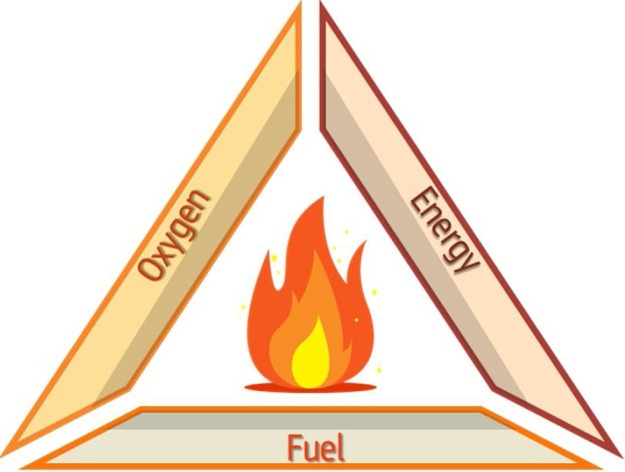
On 24 April 2021, a disastrous fire in an Iraqi hospital took the lives of 82 people. Since the outbreak of the pandemic in March 2020, incidents of oxygen-related hospital fires in various countries around the world have caused over 200 deaths, the majority of whom were patients extremely ill with the novel Coronavirus. Fires involving medical oxygen are not a new phenomenon but are more common in the operating theatre where oxygen is routinely administered. In these settings, strict safety protocols are normally enforced and surgical staff are well trained in dealing with oxygen hazards. It appears that some hospitals may not have been fully prepared for the elevated risk of oxygen-related fire in intensive care units due to the high demand for oxygen therapy in severely ill Covid-19 patients. Indeed, gas producers and public health authorities were also slow to recognize and alert hospitals to the potential dangers. Oxygen is essential to life and generally makes up about 21 % of the gases in the air we breathe. Pure oxygen reacts with common materials such as oil and grease to cause fires, and even explosions, when released at high pressures. A leaking valve or hose, and openings at interfaces of masks and tubes, when in a confined space or where air circulation is low, can quickly increase the oxygen concentration to a dangerous level. Even a small increase in the oxygen level in the air to 24 % can create a fire hazard. In an oxygen-enriched environment, materials become easier to ignite and fires will burn hotter and more fiercely than in normal air. There is also a potentially heightened risk of using ethanol-based and organic solvents as cleaning agents in an oxygen rich atmospheres. This paper will provide an overview of oxygen accident scenarios that may be relevant for hospital intensive care units, with particular reference to recent events and similar accidents that have occurred in the past. The paper will recommend that hospitals recognize their chemical risks as part of their risk governance responsibility and assign chemical risk management a prominent role in their overall management. Investigation of dangerous events to extract causes and lessons learned should be utilized to highlight opportunities for prevention as well as emergency response. The industrial gas industry also needs to actively support hospitals in adoption of more rigorous risk management approaches, building on lessons learned in chemical process safety for managing flammable and explosive atmospheres.
2021年4月24日,伊拉克一家医院发生灾难性火灾,导致82人死亡。自2020年3月疫情爆发以来,世界各地医院发生的与氧气相关的火灾事故已造成200多人死亡,其中大多数是感染新型冠状病毒的重症患者。涉及医用氧气的火灾并非新现象,但在常规使用氧气的手术室更为常见。在这些场所,通常会执行严格的安全规程,外科工作人员也接受过处理氧气危险的良好培训。由于新冠肺炎重症患者对氧气治疗的高需求,一些医院似乎对重症监护病房与氧气相关火灾风险的升高没有做好充分准备。事实上,气体生产商和公共卫生当局也未能及时认识到并提醒医院注意潜在危险。氧气是生命所必需的,在我们呼吸的空气中通常占气体总量的21%左右。纯氧与油和油脂等常见物质发生反应,在高压释放时会引发火灾甚至爆炸。在密闭空间或空气流通不畅的地方,泄漏的阀门或软管以及口罩和管道接口处的开口,会迅速将氧气浓度提高到危险水平。即使空气中的氧气水平小幅升至24%,也会产生火灾隐患。在富氧环境中,材料更容易着火,火灾燃烧得比在正常空气中更猛烈。在富氧环境中使用乙醇基和有机溶剂作为清洁剂也存在潜在的更高风险。本文将概述可能与医院重症监护病房相关的氧气事故场景,特别提及近期事件以及过去发生的类似事故。本文将建议医院将其化学风险视为风险治理责任的一部分,并在其整体管理中赋予化学风险管理突出地位。对危险事件进行调查以找出原因和吸取教训,应被用于突出预防和应急响应的机会。工业气体行业也需要积极支持医院采用更严格的风险管理方法,借鉴化学过程安全中管理易燃和易爆环境的经验教训。