Anxiety and Stress Research Unit, Beer-Sheva Mental Health Center, Ministry of Health, Faculty of Health Sciences, Ben-Gurion University of the Negev, Beer-Sheva 84170, Israel.
Post-Trauma Center, Sheba Medical Center, Tel Aviv 52621, Israel.
Int J Mol Sci. 2021 Jun 3;22(11):6050. doi: 10.3390/ijms22116050.
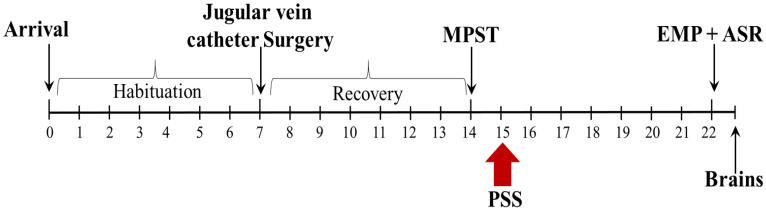
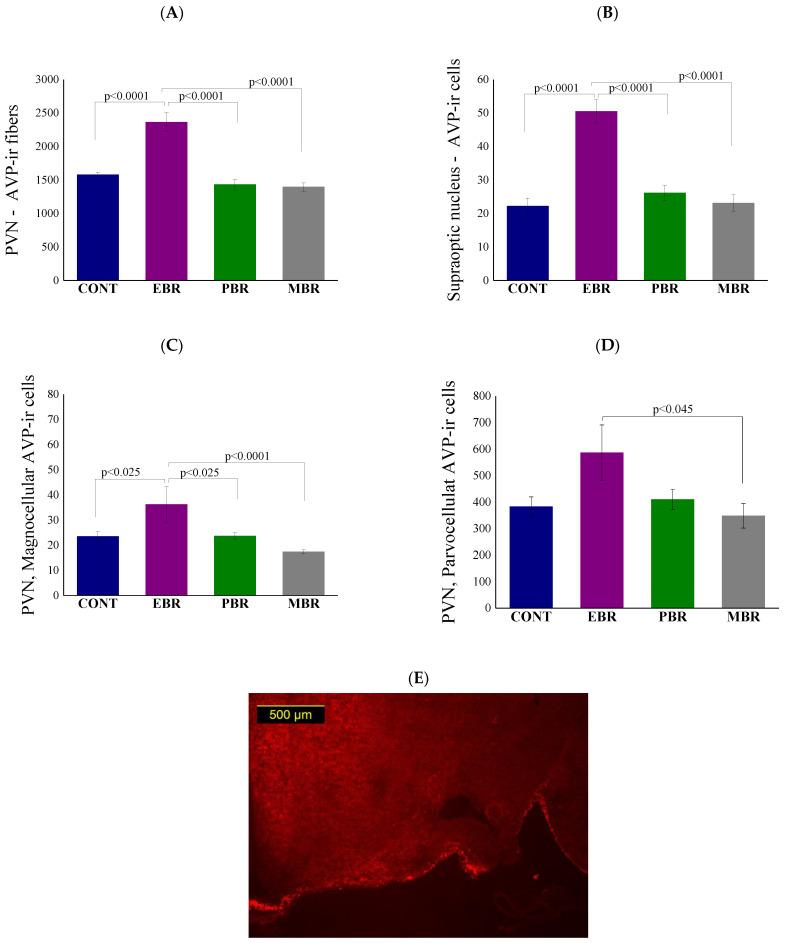
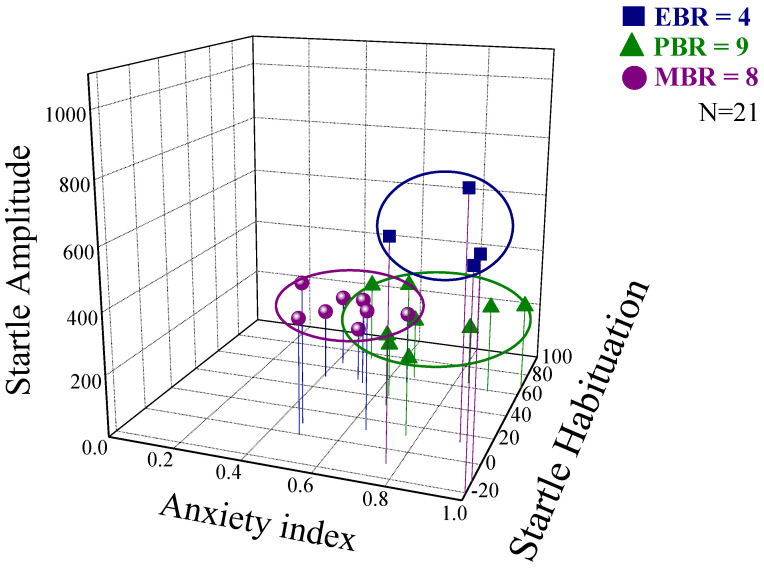
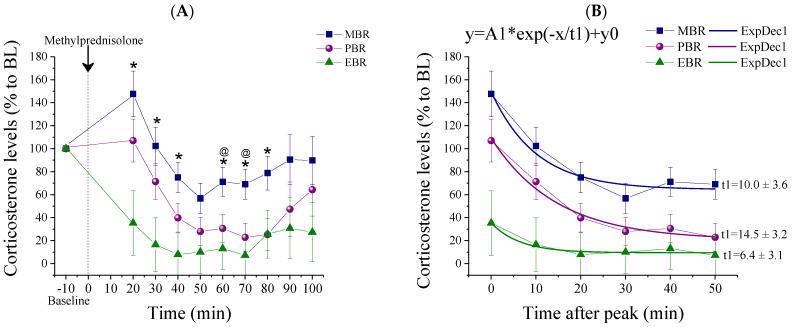
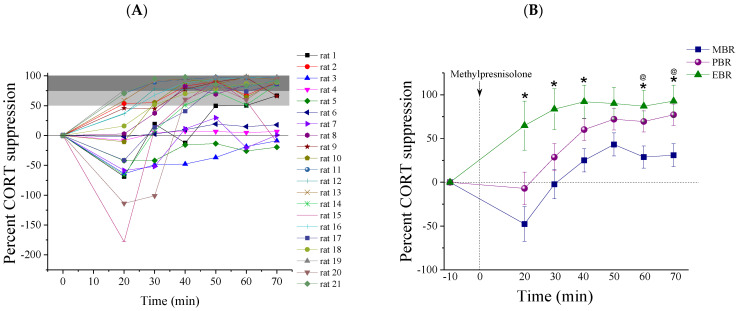
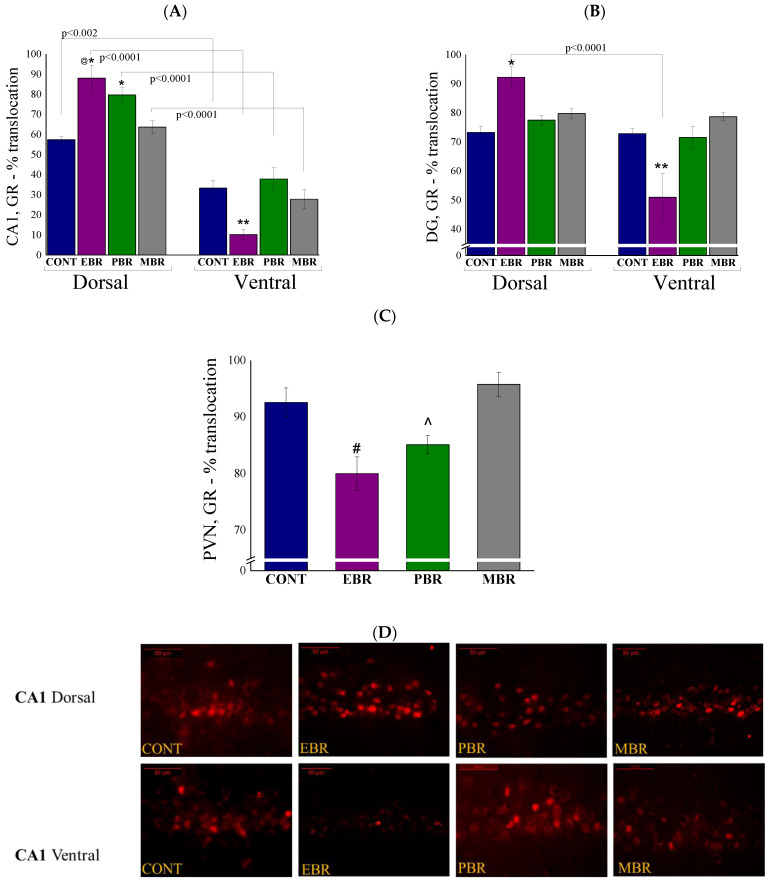
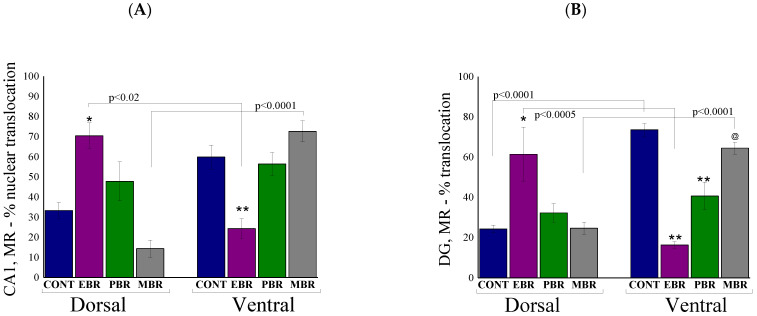
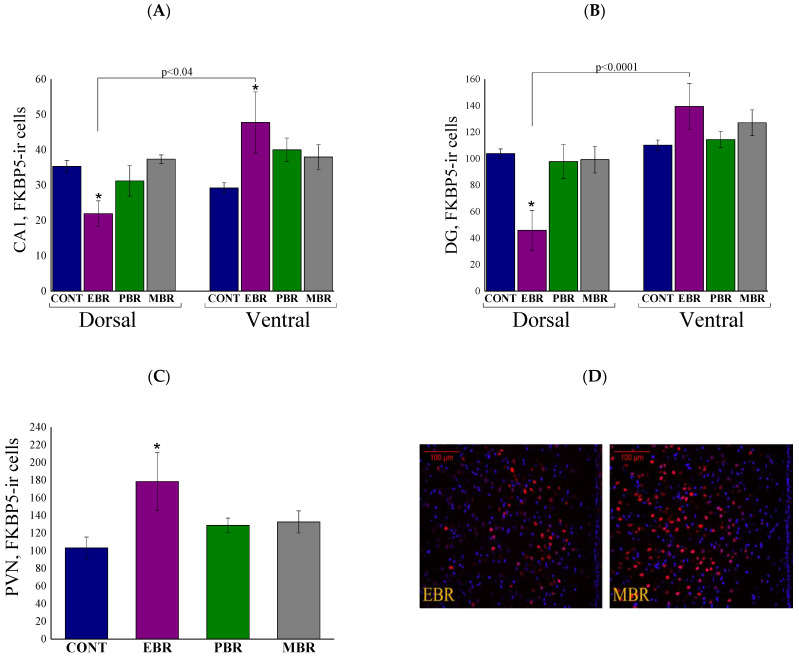
Previously, we found that basal corticosterone pulsatility significantly impacts the vulnerability for developing post-traumatic stress disorder (PTSD). Rats that exhibited PTSD-phenotype were characterized by blunted basal corticosterone pulsatility amplitude and a blunted corticosterone response to a stressor. This study sought to identify the mechanisms underlining both the loss of pulsatility and differences in downstream responses. Serial blood samples were collected manually via jugular vein cannula at 10-min intervals to evaluate suppression of corticosterone following methylprednisolone administration. The rats were exposed to predator scent stress (PSS) after 24 h, and behavioral responses were assessed 7 days post-exposure for retrospective classification into behavioral response groups. Brains were harvested for measurements of the glucocorticoid receptor, mineralocorticoid receptor, FK506-binding protein-51 and arginine vasopressin in specific brain regions to assess changes in hypothalamus-pituitary-adrenal axis (HPA) regulating factors. Methylprednisolone produced greater suppression of corticosterone in the PTSD-phenotype group. During the suppression, the PTSD-phenotype rats showed a significantly more pronounced pulsatile activity. In addition, the PTSD-phenotype group showed distinct changes in the ventral and dorsal CA1, dentate gyrus as well as in the paraventricular nucleus and supra-optic nucleus. These results demonstrate a pre-trauma vulnerability state that is characterized by an over-reactivity of the HPA and changes in its regulating factors.
先前,我们发现基础皮质酮的脉冲波动对创伤后应激障碍(PTSD)易感性有显著影响。表现出 PTSD 表型的大鼠的基础皮质酮脉冲波动幅度减弱,且对压力源的皮质酮反应减弱。本研究旨在确定导致这两种情况(即脉冲波动丧失和下游反应差异)的机制。通过颈静脉插管每 10 分钟手动采集一系列血液样本,以评估甲基强的松龙给药后皮质酮的抑制情况。24 小时后,大鼠暴露于捕食者气味应激(PSS)中,暴露后 7 天评估行为反应,以便回溯性分类为行为反应组。采集大脑样本,测量特定脑区的糖皮质激素受体、盐皮质激素受体、FK506 结合蛋白-51 和精氨酸加压素,以评估下丘脑-垂体-肾上腺轴(HPA)调节因子的变化。甲基强的松龙在 PTSD 表型组中产生了更大的皮质酮抑制作用。在抑制过程中,PTSD 表型大鼠表现出明显更为明显的脉冲活动。此外,PTSD 表型大鼠的腹侧和背侧 CA1、齿状回以及室旁核和视上核均显示出明显的变化。这些结果表明存在一种创伤前易损状态,其特征是 HPA 过度反应和其调节因子的变化。