Liu Haibao, Li Qiuyi, Su Dunlei, Yue Gongbing, Wang Liang
School of Civil Engineering, Qingdao University of Technology, Qingdao 266033, China.
School of Architectural Engineering, Qingdao Agricultural University, Qingdao 266109, China.
Materials (Basel). 2021 Jun 30;14(13):3653. doi: 10.3390/ma14133653.
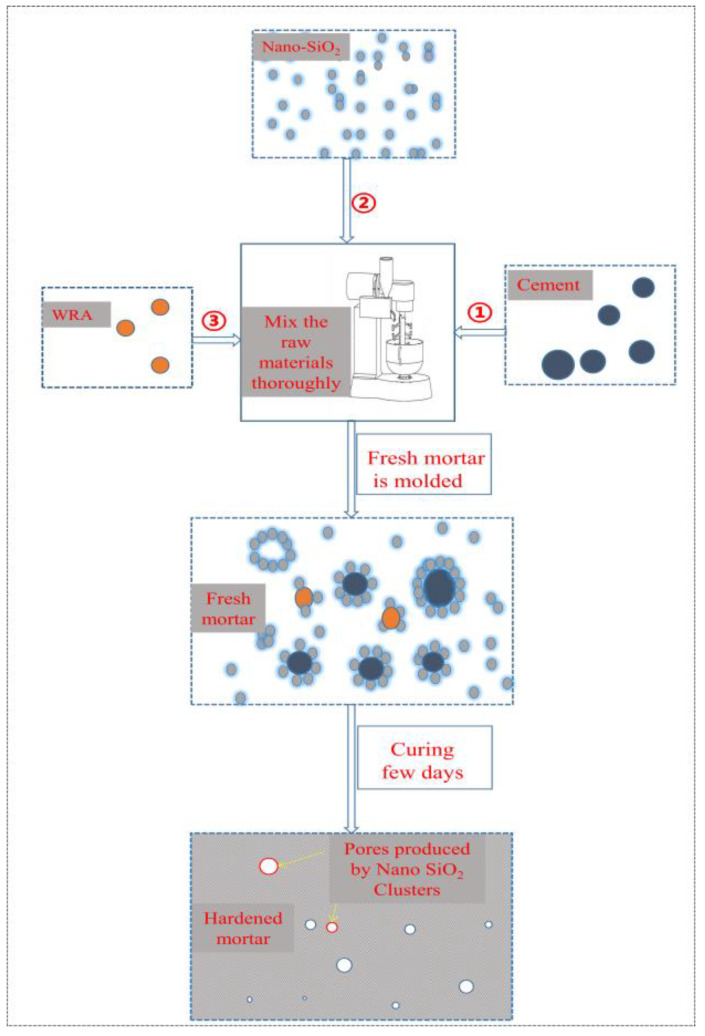
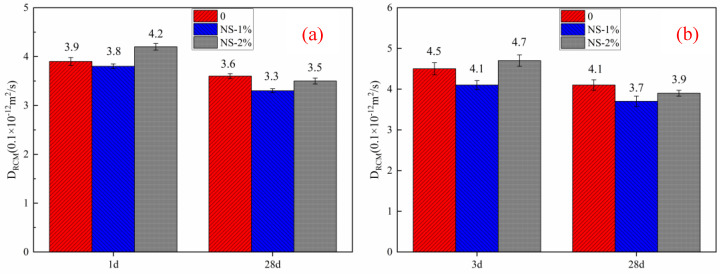
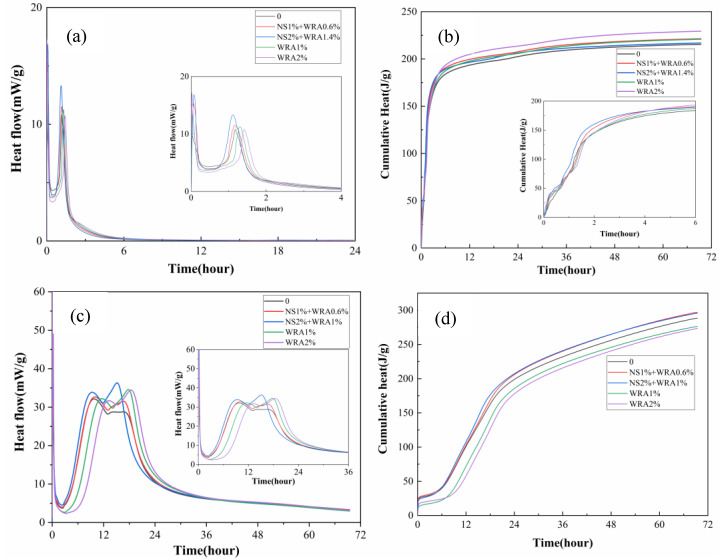
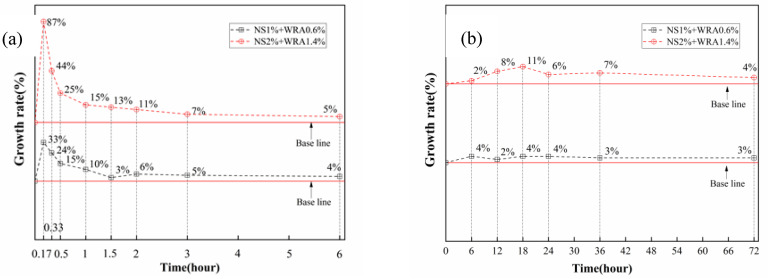
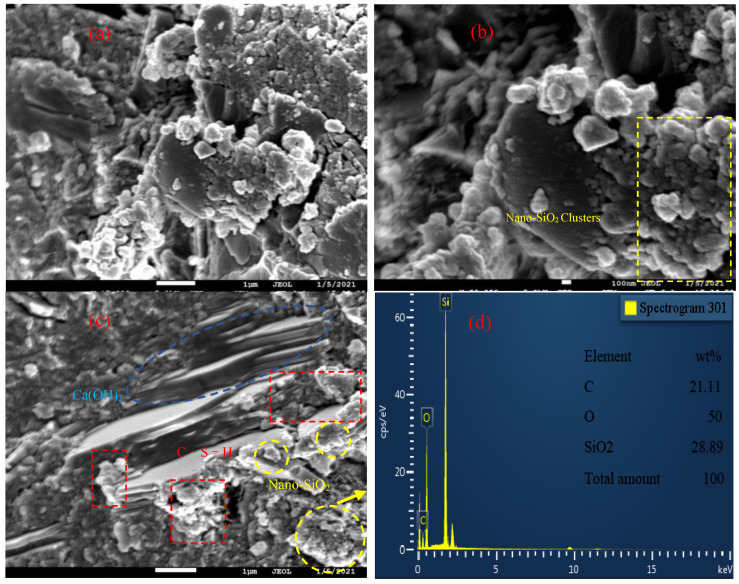
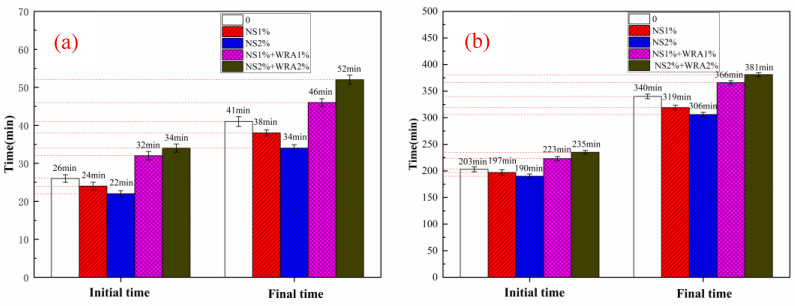
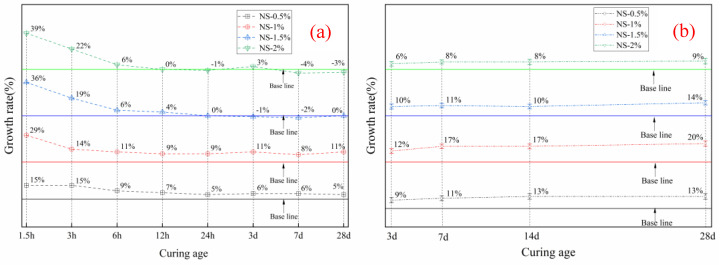
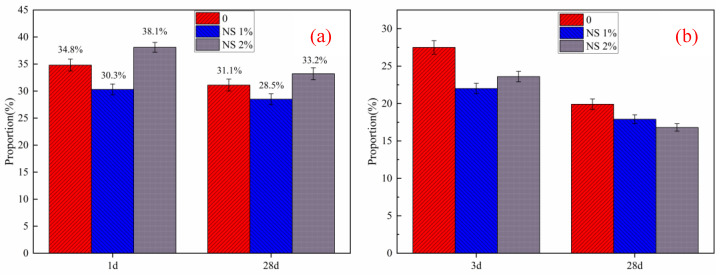
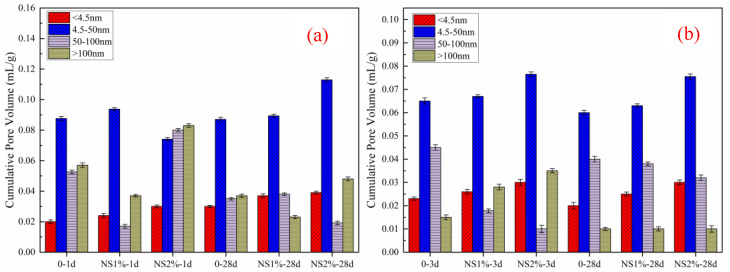
Compared with nanosilica collected in a gaseous state, nanosilica sol has great economic value and application significance for improving the performance of concrete and mortar. In this study, the influence of nanosilica sol on the hydration process of different kinds of cement is studied by means of hydration heat analysis, X-ray diffraction analysis (XRD) and other methods, and the properties of mortar such as setting time, mechanical properties and porosity are also studied to characterize the influence of nanosilica sol on the macroscopic properties of mortar. The experimental results show that nanosilica sol can accelerate the hydration rate of two kinds of cement and promote the hydration reaction degree of cement, and this promotion effect increases with the increase in nanosilica sol content. At the same time, nanosilica sol can significantly shorten the setting time of the two kinds of cement, and it is more obvious with the increase in content. Excessive content of nanosilica sol will adversely affect the permeability resistance of mortar. It may be caused by the weak interval formed by nanosilica particle clusters in the mortar matrix, which can be supported by the mortar pore structure distribution test. At the same time, the influence of nanosilica sol on the hydration of the two kinds of cement is different, and the compressive strength of HBSAC cement mortar increases first and then decreases after adding nanosilica sol; However, the compressive strength of P·O 42.5 cement mortar increases gradually after adding nanometer silica sol. This shows that nanosilica sol does not effectively promote the hydration of β-C2S in high belite sulfoaluminate cement (HBSAC) mortar. Based on the above experimental results, it can be concluded that when the content of nanosilica sol is about 1%, it has the best promotion effect on the hydration of the two kinds of cement and the performance of mortar.
与气态收集的纳米二氧化硅相比,纳米二氧化硅溶胶对于提高混凝土和砂浆的性能具有巨大的经济价值和应用意义。本研究通过水化热分析、X射线衍射分析(XRD)等方法,研究了纳米二氧化硅溶胶对不同种类水泥水化过程的影响,并研究了砂浆的凝结时间、力学性能和孔隙率等性能,以表征纳米二氧化硅溶胶对砂浆宏观性能的影响。实验结果表明,纳米二氧化硅溶胶可加速两种水泥的水化速率,促进水泥的水化反应程度,且这种促进作用随纳米二氧化硅溶胶含量的增加而增大。同时,纳米二氧化硅溶胶可显著缩短两种水泥的凝结时间,且随含量增加更明显。纳米二氧化硅溶胶含量过高会对砂浆的抗渗性产生不利影响。这可能是由于纳米二氧化硅颗粒团簇在砂浆基体中形成的薄弱区间所致,砂浆孔结构分布试验可对此进行佐证。同时,纳米二氧化硅溶胶对两种水泥水化的影响不同,添加纳米二氧化硅溶胶后,HBSAC水泥砂浆的抗压强度先增大后减小;而P·O 42.5水泥砂浆添加纳米二氧化硅溶胶后抗压强度逐渐增大。这表明纳米二氧化硅溶胶对高贝利特硫铝酸盐水泥(HBSAC)砂浆中β-C2S的水化没有有效促进作用。基于上述实验结果可以得出,当纳米二氧化硅溶胶含量约为1%时,对两种水泥的水化和砂浆性能具有最佳的促进作用。