Laboratory of Photosynthesis and Environment, CAS Center for Excellence in Molecular Plant Sciences, Shanghai Institute of Plant Physiology and Ecology, Chinese Academy of Sciences, Shanghai, China.
Commun Biol. 2021 Jul 2;4(1):835. doi: 10.1038/s42003-021-02342-4.
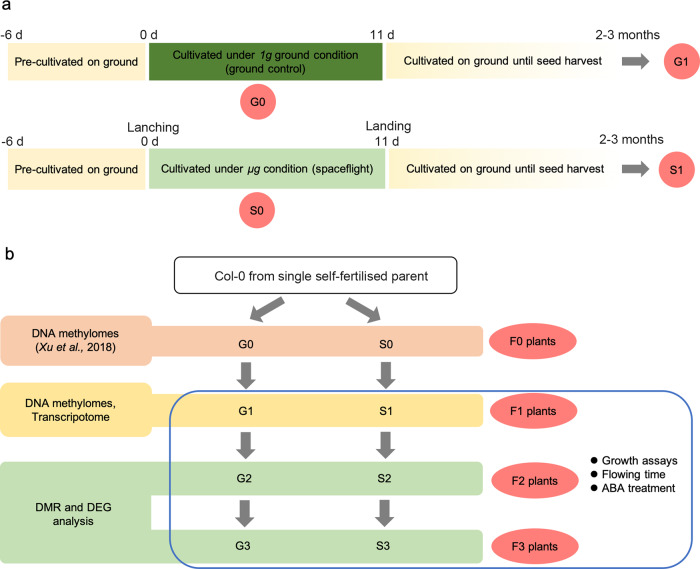
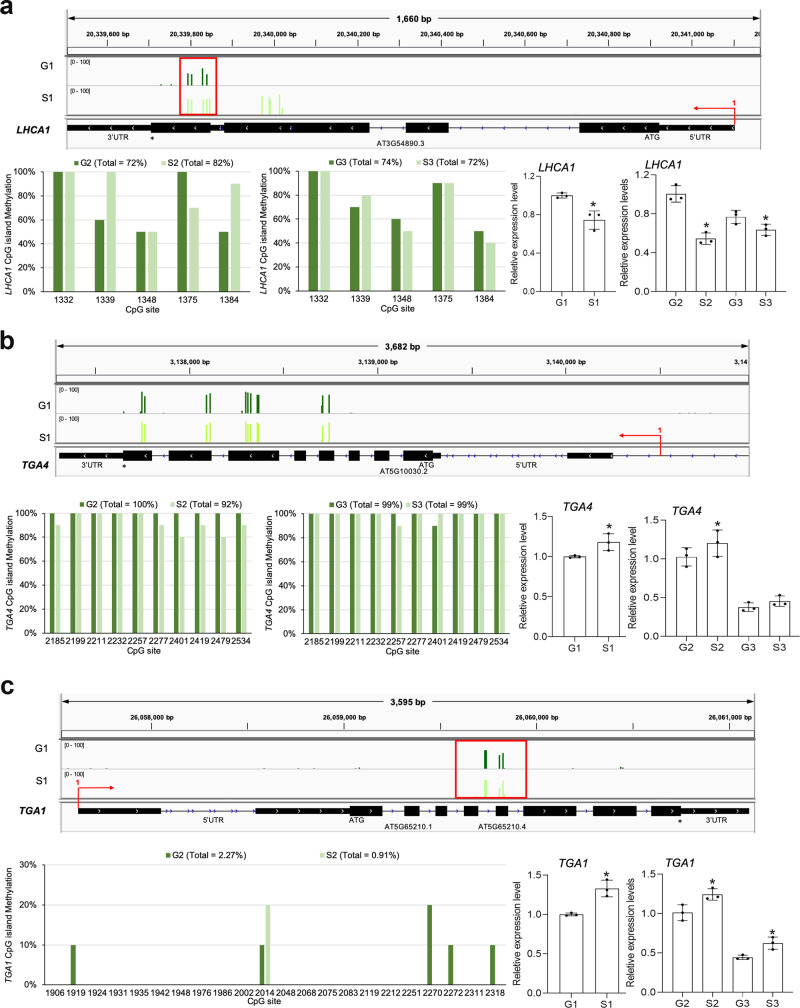
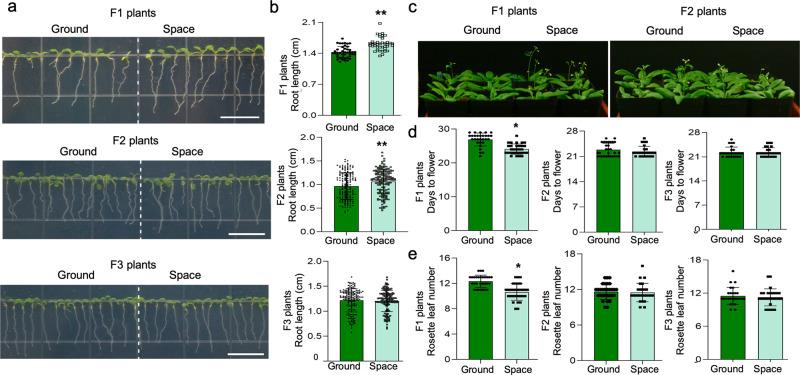
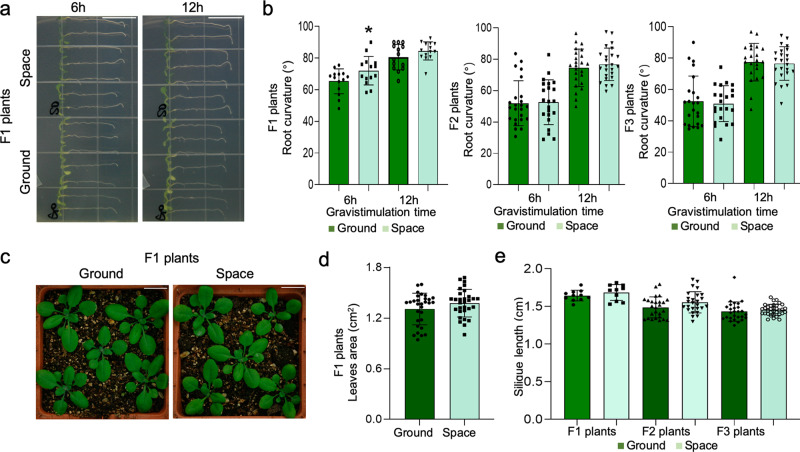
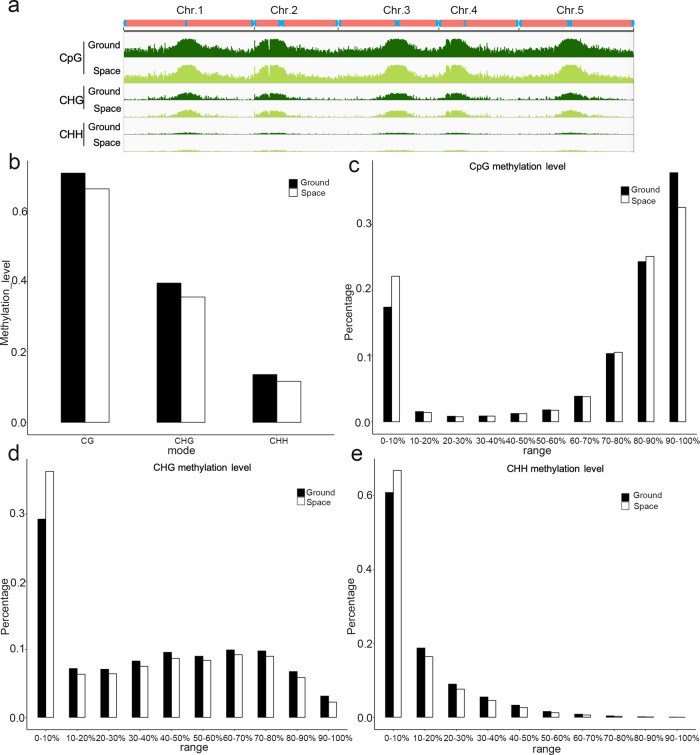
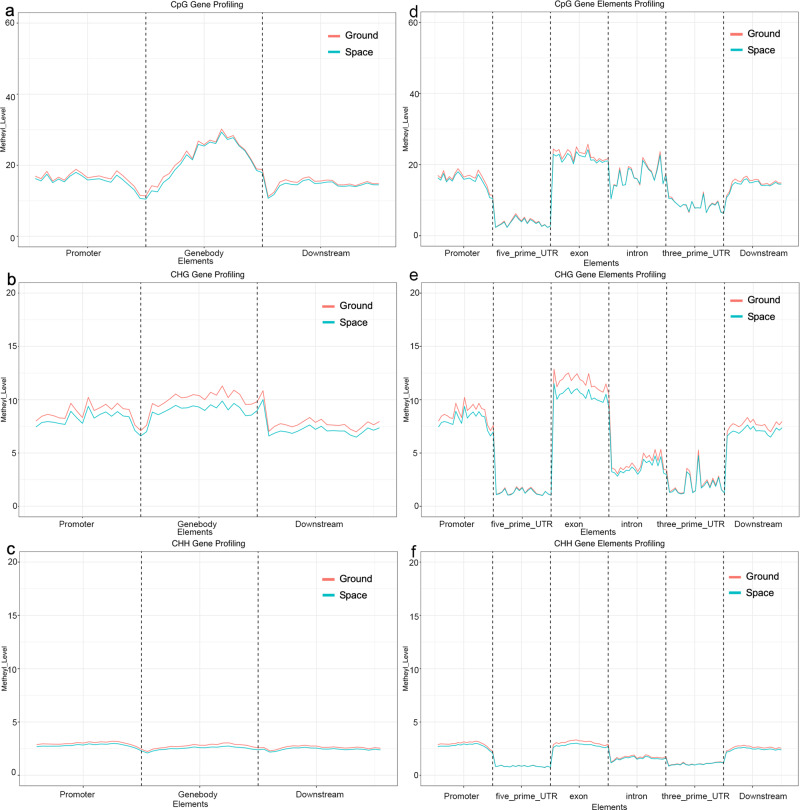
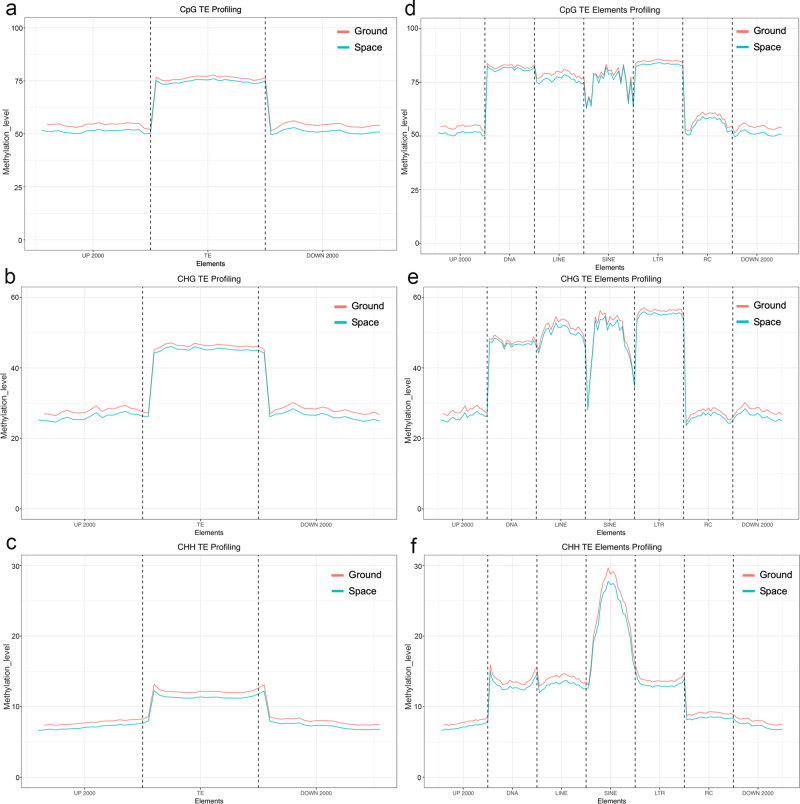
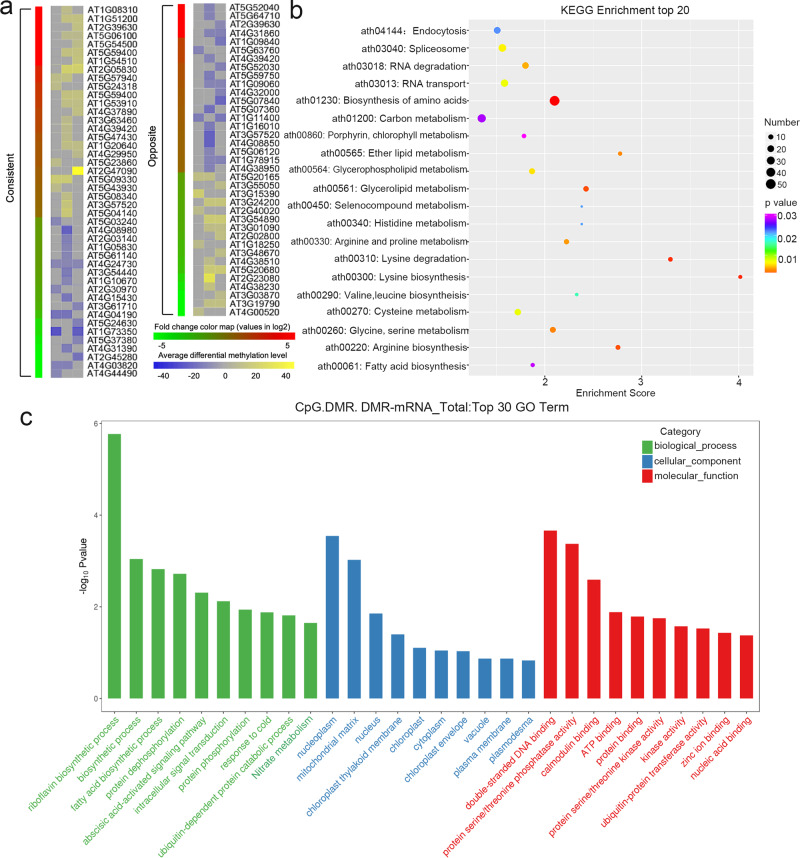
Plants grown in spaceflight exhibited differential methylation responses and this is important because plants are sessile, they are constantly exposed to a variety of environmental pressures and respond to them in many ways. We previously showed that the Arabidopsis genome exhibited lower methylation level after spaceflight for 60 h in orbit. Here, using the offspring of the seedlings grown in microgravity environment in the SJ-10 satellite for 11 days and returned to Earth, we systematically studied the potential effects of spaceflight on DNA methylation, transcriptome, and phenotype in the offspring. Whole-genome methylation analysis in the first generation of offspring (F) showed that, although there was no significant difference in methylation level as had previously been observed in the parent plants, some residual imprints of DNA methylation differences were detected. Combined DNA methylation and RNA-sequencing analysis indicated that expression of many pathways, such as the abscisic acid-activated pathway, protein phosphorylation, and nitrate signaling pathway, etc. were enriched in the F population. As some phenotypic differences still existed in the F generation, it was suggested that these epigenetic DNA methylation modifications were partially retained, resulting in phenotypic differences in the offspring. Furthermore, some of the spaceflight-induced heritable differentially methylated regions (DMRs) were retained. Changes in epigenetic modifications caused by spaceflight affected the growth of two future seed generations. Altogether, our research is helpful in better understanding the adaptation mechanism of plants to the spaceflight environment.
在太空中生长的植物表现出不同的甲基化反应,这很重要,因为植物是固着的,它们不断地暴露在各种环境压力下,并以多种方式对其作出反应。我们之前曾表明,在轨道上飞行 60 小时后,拟南芥基因组的甲基化水平降低。在这里,我们使用在 SJ-10 卫星中微重力环境下生长 11 天的幼苗的后代,并返回地球,系统地研究了太空飞行对后代 DNA 甲基化、转录组和表型的潜在影响。第一代后代(F)的全基因组甲基化分析表明,尽管甲基化水平没有像以前在亲代植物中观察到的那样有显著差异,但仍检测到一些 DNA 甲基化差异的残留痕迹。结合 DNA 甲基化和 RNA-seq 分析表明,许多途径的表达,如脱落酸激活途径、蛋白质磷酸化和硝酸盐信号途径等,在 F 群体中富集。由于在 F 代中仍然存在一些表型差异,这表明这些表观遗传 DNA 甲基化修饰部分被保留下来,导致后代出现表型差异。此外,一些由太空飞行诱导的可遗传差异甲基化区域(DMRs)被保留下来。太空飞行引起的表观遗传修饰变化影响了两代未来种子的生长。总的来说,我们的研究有助于更好地理解植物对太空环境的适应机制。