Pulmonary, Allergy and Critical Care Division, University of Pennsylvania School of Medicine, Philadelphia, PA, USA.
Department of Anesthesiology, Intensive Care and Emergency Medicine, University Medical Center Göttingen, Göttingen, Germany.
Lancet. 2021 Aug 14;398(10300):622-637. doi: 10.1016/S0140-6736(21)00439-6. Epub 2021 Jul 1.
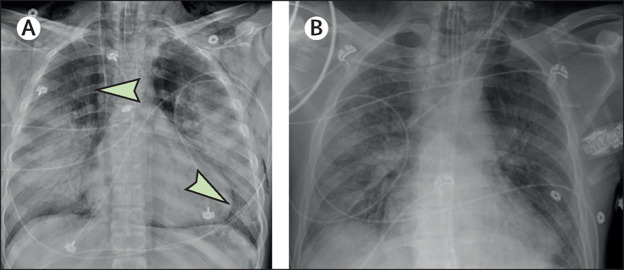
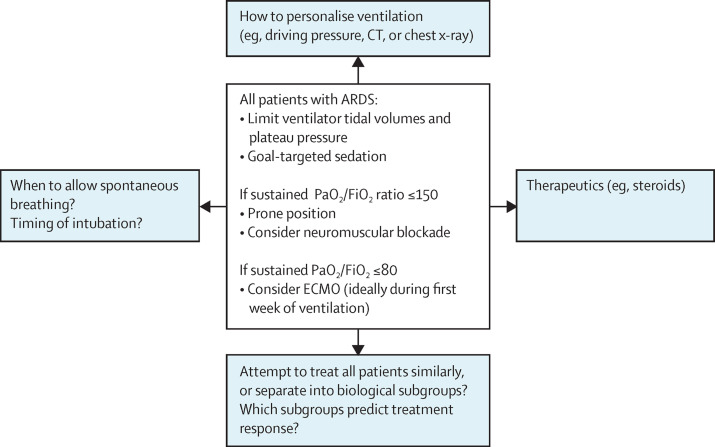
Acute respiratory distress syndrome (ARDS) is an acute respiratory illness characterised by bilateral chest radiographical opacities with severe hypoxaemia due to non-cardiogenic pulmonary oedema. The COVID-19 pandemic has caused an increase in ARDS and highlighted challenges associated with this syndrome, including its unacceptably high mortality and the lack of effective pharmacotherapy. In this Seminar, we summarise current knowledge regarding ARDS epidemiology and risk factors, differential diagnosis, and evidence-based clinical management of both mechanical ventilation and supportive care, and discuss areas of controversy and ongoing research. Although the Seminar focuses on ARDS due to any cause, we also consider commonalities and distinctions of COVID-19-associated ARDS compared with ARDS from other causes.
急性呼吸窘迫综合征(ARDS)是一种以双侧胸部 X 线片混浊为特征的急性呼吸系统疾病,由于非心源性肺水肿导致严重低氧血症。COVID-19 大流行导致 ARDS 病例增加,并凸显了与该综合征相关的挑战,包括其高得令人无法接受的死亡率和缺乏有效的药物治疗。在本次学术研讨会上,我们总结了目前关于 ARDS 的流行病学和危险因素、鉴别诊断以及机械通气和支持性治疗的循证临床管理方面的知识,并讨论了争议领域和正在进行的研究。虽然学术研讨的重点是由任何原因引起的 ARDS,但我们也考虑了 COVID-19 相关 ARDS 与其他原因引起的 ARDS 的共同点和区别。