Department of Urology, Peking Union Medical College Hospital, Peking Union Medical College, Chinese Academy of Medical Sciences, Beijing, China.
Int J Med Sci. 2021 Jun 16;18(13):3026-3038. doi: 10.7150/ijms.60261. eCollection 2021.
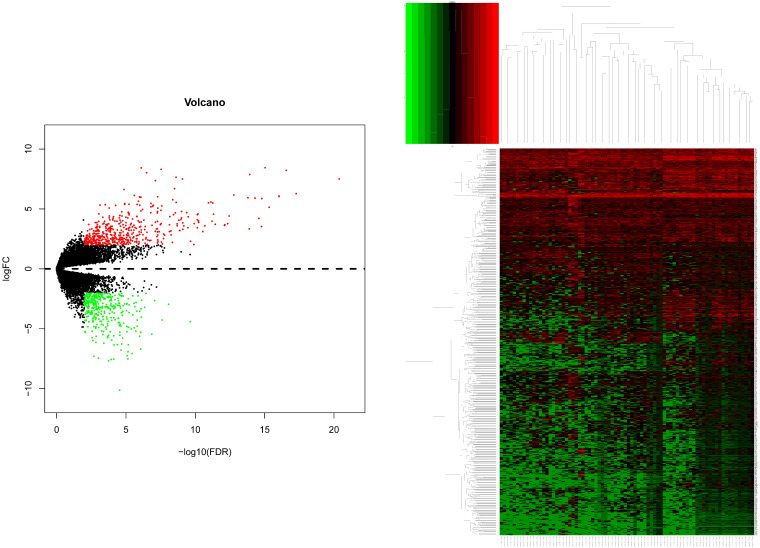
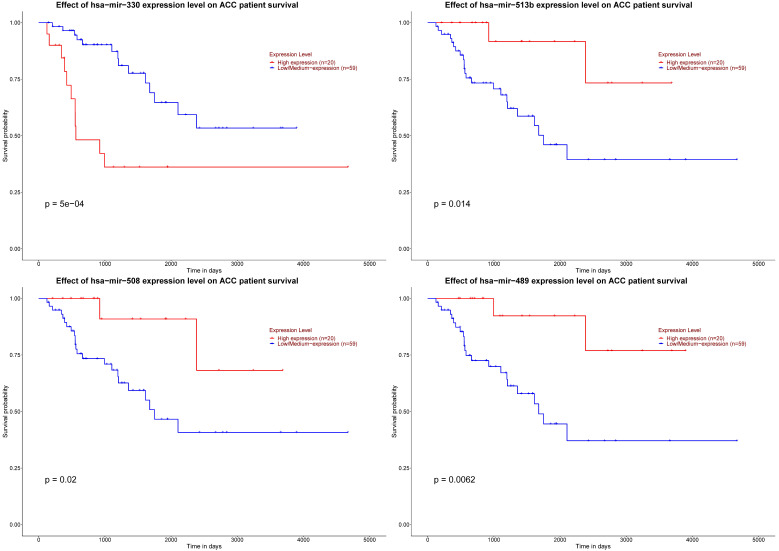
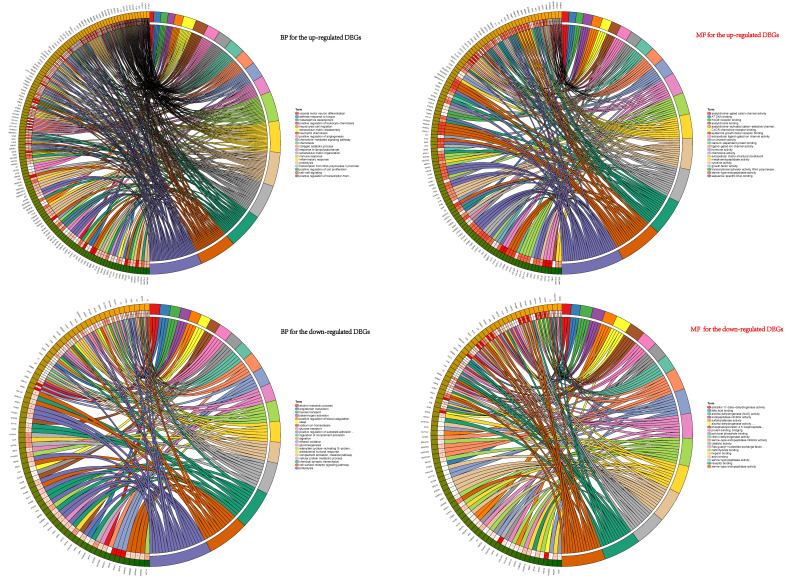
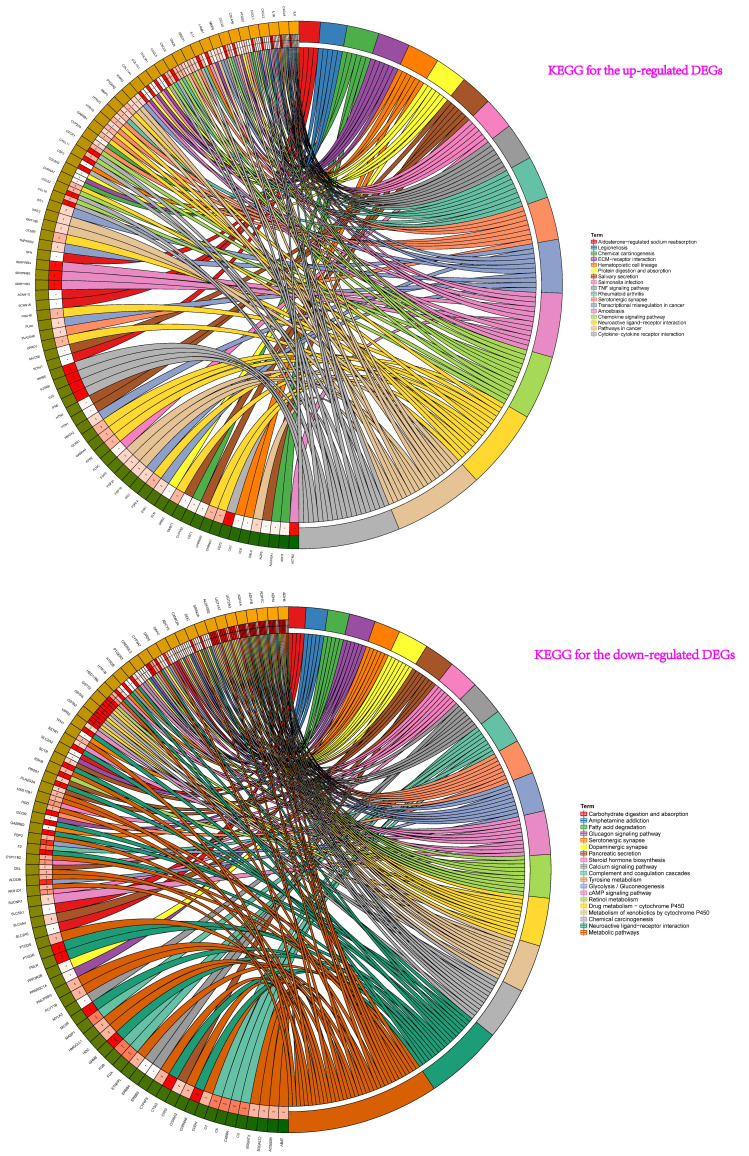
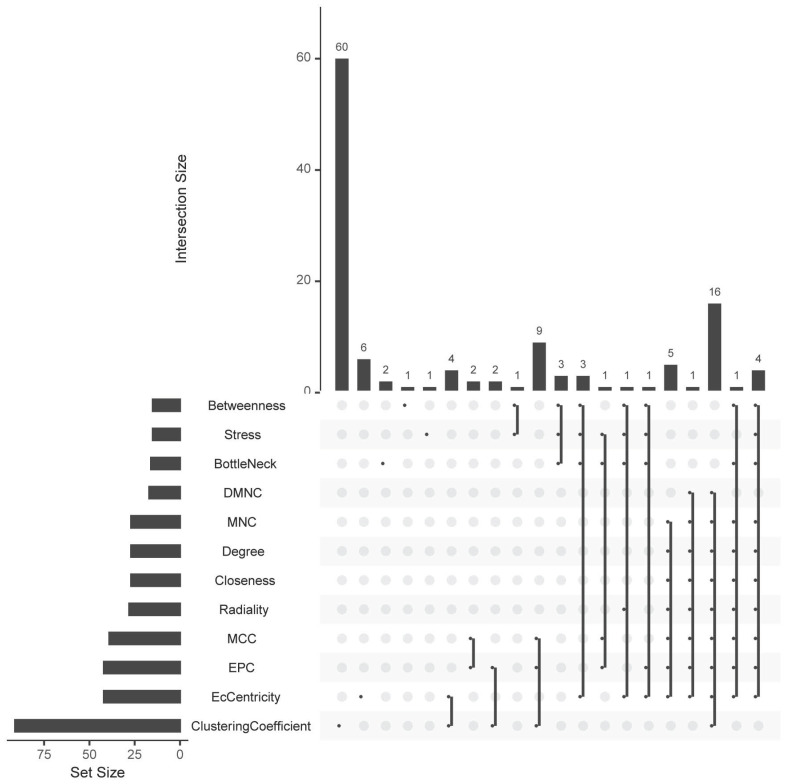
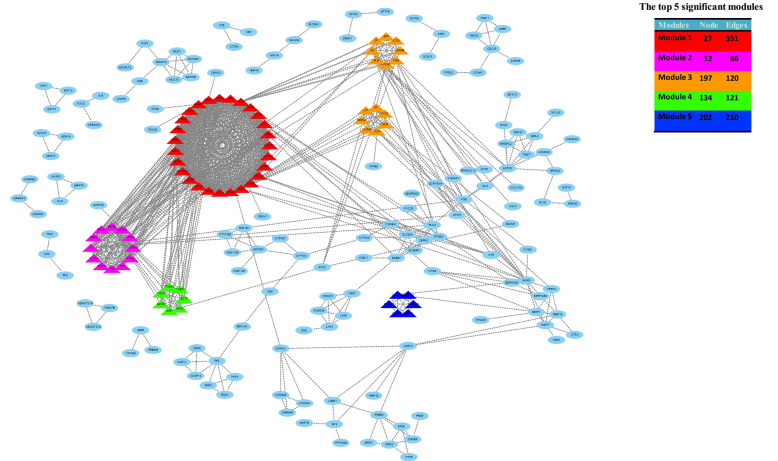
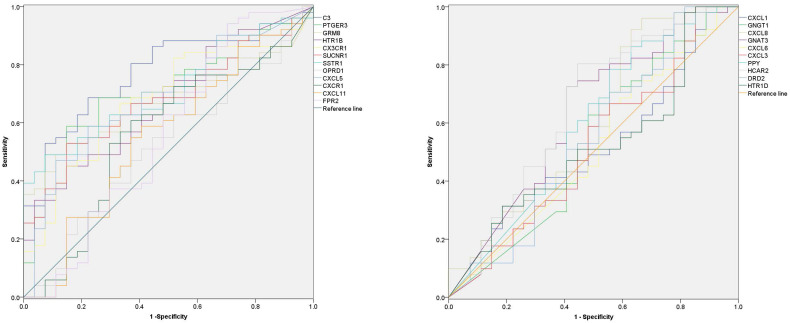
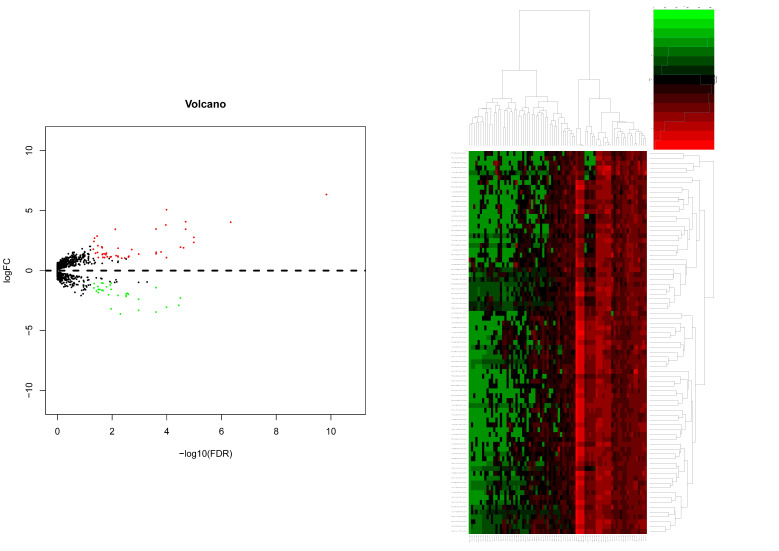
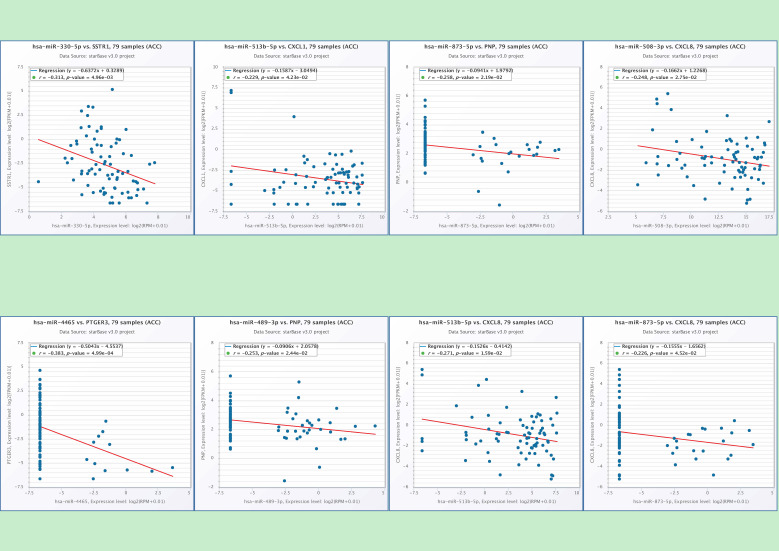
: The study aimed to predict and explore the possible clinical value and mechanism of genetic markers in adrenal cortical carcinoma using a bioinformatics analysis method. : The RNA-seqs and miRNAs data were downloaded from TCGA database to identify the differentially expressed genes and differentially expressed miRNAs. The hub-genes were screened by building protein-protein interaction sub-networks with 12 topological analysis methods. We conducted the receiver operating characteristic curve to elevate the diagnostic value of hub-genes in distinguishing the death and alive groups. The survival analysis of hub-genes and key miRNAs were conducted using Kaplan-Meier curves. Furthermore, most significant small molecules were identified as therapeutic candidates for adrenal cortical carcinoma by the CMap analysis. : Compared to survival group, we found 475 up-regulated genes and 354 genes and the key pathways leading to the death of different ACC individual patients. Then we used 12 topological analysis methods to found the most possible 22 hub-genes. Among these hub-genes, nine hub-genes (C3, CXCL5, CX3CR1, GRM8, HCAR2, HTR1B, SUCNR1, PTGER3 and SSTR1) could be used to distinguish the death and survival groups for patients. We also revealed that mRNA expressions of 12 genes (C3, CXCL8, CX3CR1, GNAT3, GNGT1, GRM8, HCAR2, HTR1B, HTR1D, PTGER3, SSTR1 and SUCNR1) and four key miRNAs (hsa-mir-330, hsa-mir-489, hsa-mir-508 and hsa-mir-513b) were related to survival. Three most small molecules were identified (H-9, AZ-628 and phensuximide) as potential therapeutic drugs for adrenal cortical carcinoma. : The hub-genes expression was significant useful in adrenal cortical carcinoma, provide new diagnostic, prognosis and therapeutic approaches for adrenal cortical carcinoma. Furthermore, we also explore the possible miRNAs involved in regulation of hub-genes.
采用生物信息学分析方法,预测和探讨肾上腺皮质癌遗传标志物的可能临床价值和机制。
从 TCGA 数据库中下载 RNA-seqs 和 miRNAs 数据,以鉴定差异表达基因和差异表达 miRNA。采用 12 种拓扑分析方法构建蛋白质-蛋白质相互作用子网络筛选枢纽基因。我们进行了受试者工作特征曲线分析,以提高枢纽基因在区分死亡和存活组中的诊断价值。采用 Kaplan-Meier 曲线对枢纽基因和关键 miRNA 进行生存分析。此外,通过 CMap 分析确定了大多数显著的小分子作为肾上腺皮质癌的治疗候选物。
与存活组相比,我们发现 475 个上调基因和 354 个基因,以及导致不同 ACC 个体患者死亡的关键途径。然后,我们使用 12 种拓扑分析方法发现了最可能的 22 个枢纽基因。在这些枢纽基因中,有 9 个枢纽基因(C3、CXCL5、CX3CR1、GRM8、HCAR2、HTR1B、SUCNR1、PTGER3 和 SSTR1)可用于区分死亡和存活组的患者。我们还揭示了 12 个基因(C3、CXCL8、CX3CR1、GNAT3、GNGT1、GRM8、HCAR2、HTR1B、HTR1D、PTGER3、SSTR1 和 SUCNR1)和 4 个关键 miRNA(hsa-mir-330、hsa-mir-489、hsa-mir-508 和 hsa-mir-513b)的 mRNA 表达与生存相关。确定了 3 种最有效的小分子(H-9、AZ-628 和 phensuximide)作为肾上腺皮质癌的潜在治疗药物。
枢纽基因的表达对肾上腺皮质癌具有重要意义,为肾上腺皮质癌的诊断、预后和治疗提供了新的方法。此外,我们还探讨了可能参与调节枢纽基因的 miRNA。