Department of Medical Microbiology, University of Groningen, University Medical Center Groningen, Hanzeplein 1, HPC EB80, P.O. box 30001, 9700 RB, Groningen, the Netherlands.
Department of Medical Microbiology and Infectious Diseases, Erasmus University Medical Center, Rotterdam, The Netherlands.
Sci Rep. 2021 Jul 5;11(1):13865. doi: 10.1038/s41598-021-93359-6.
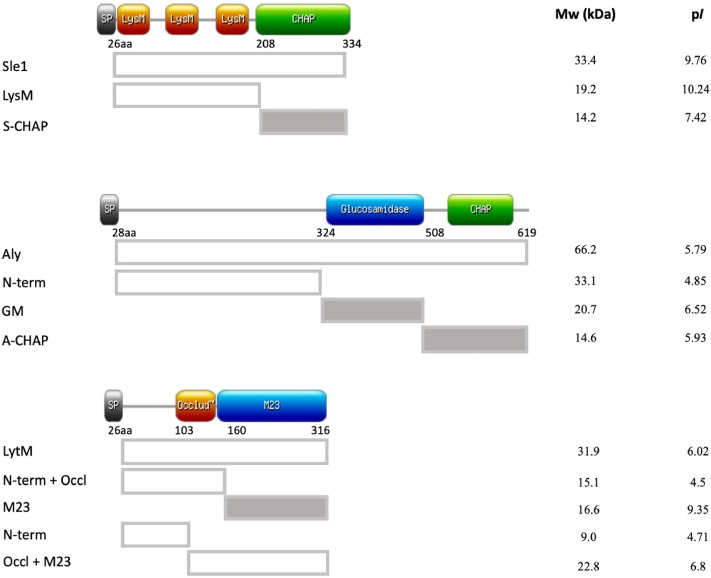
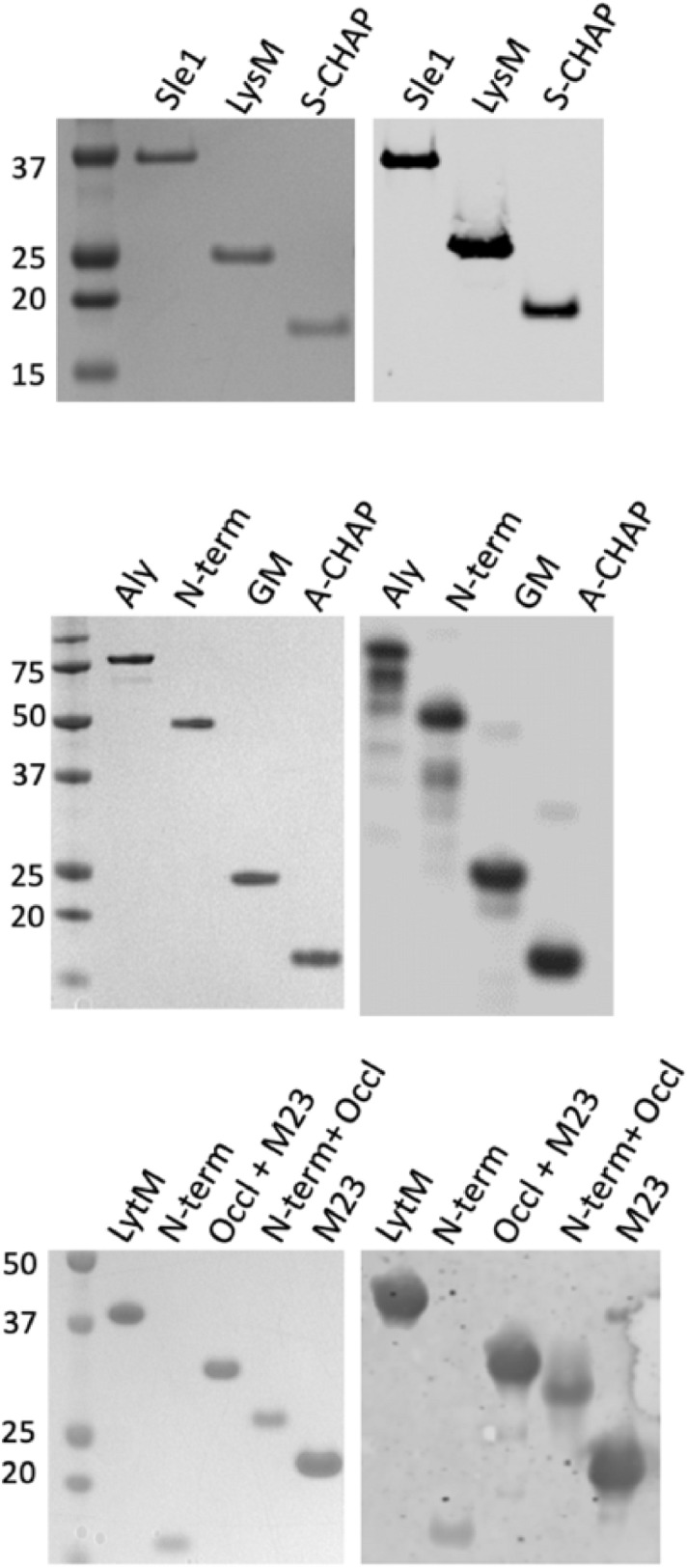
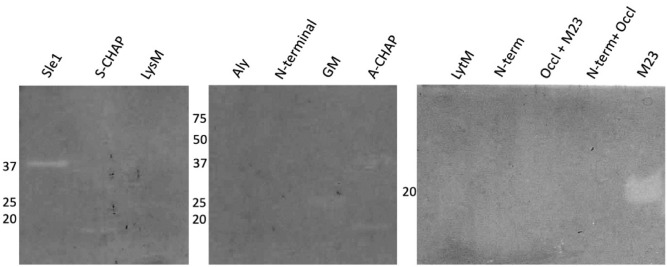
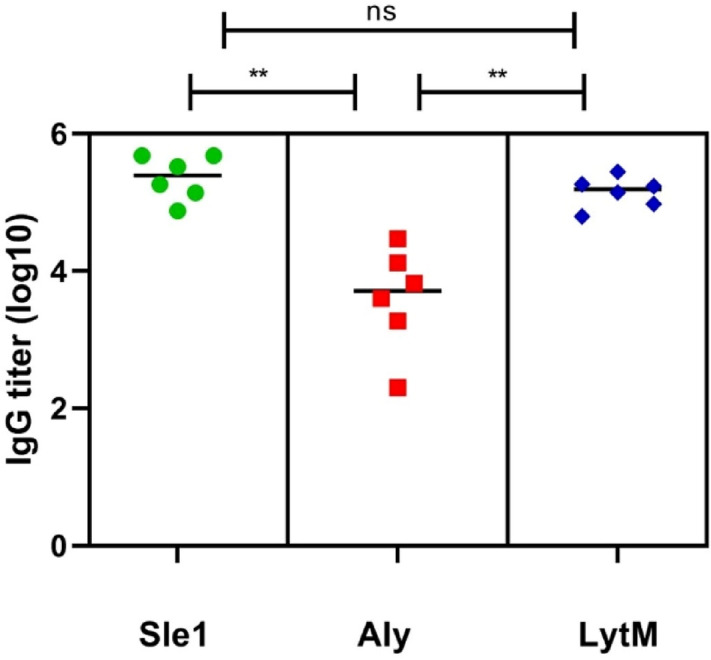
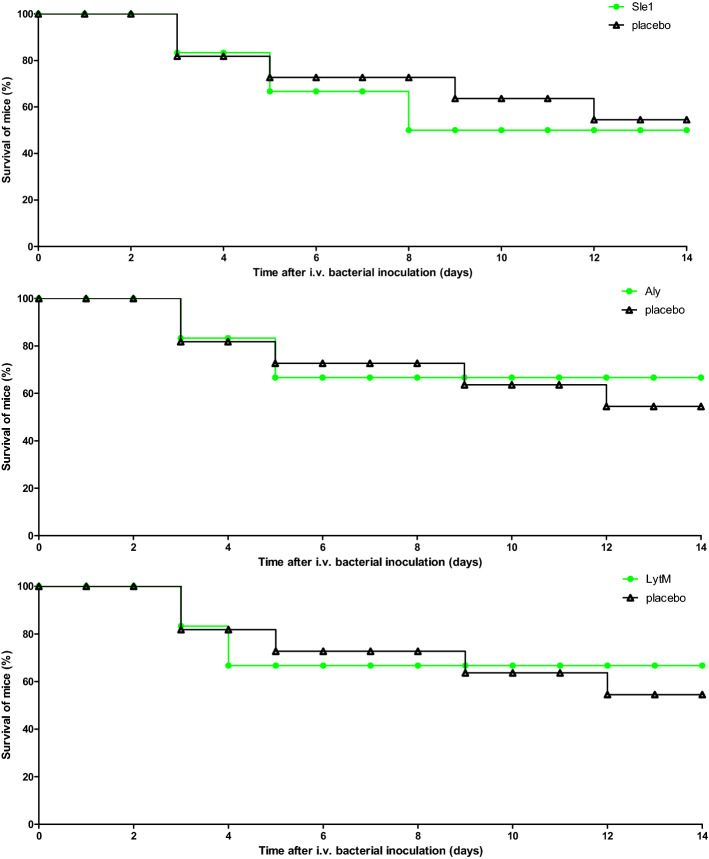
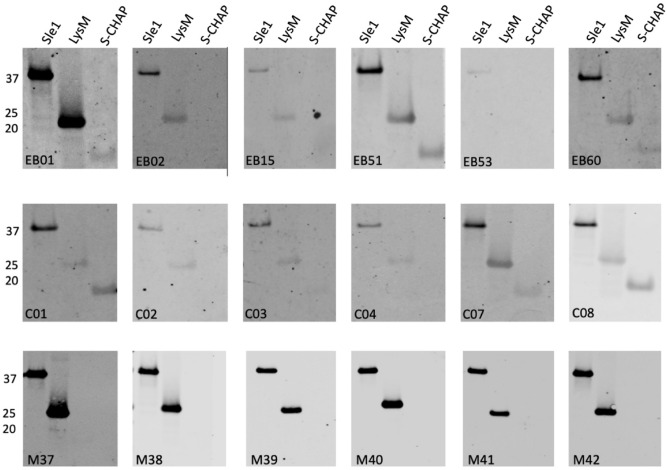
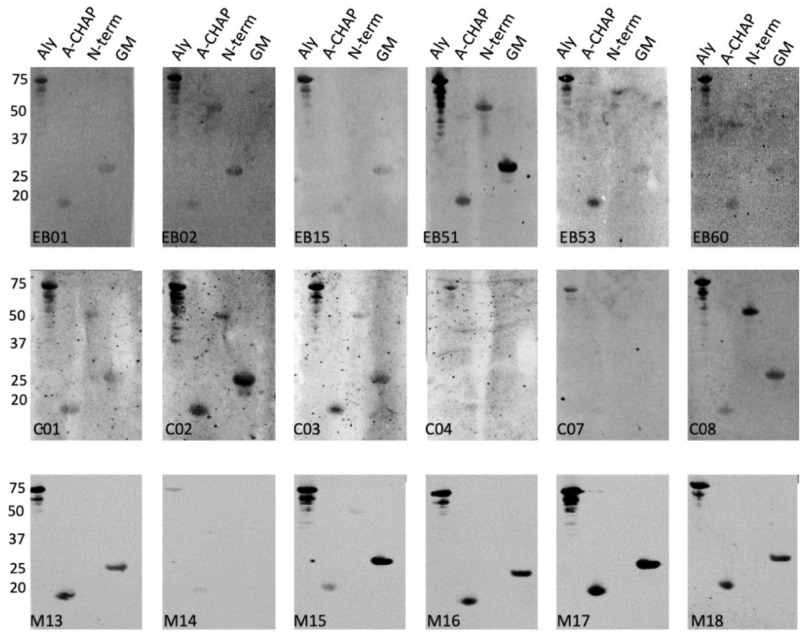
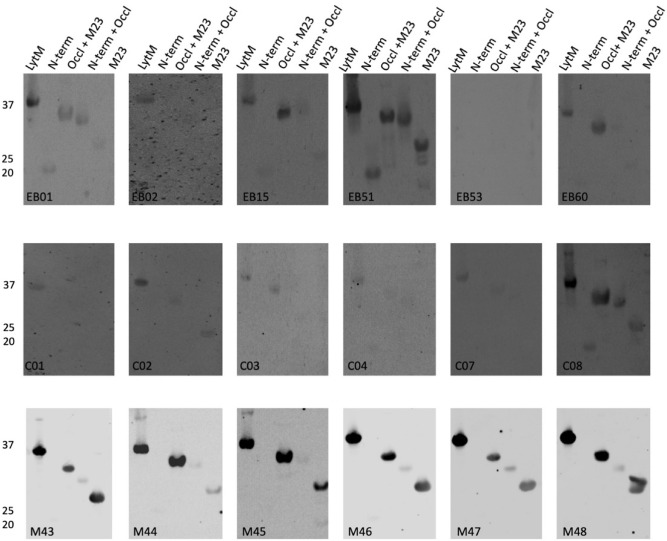
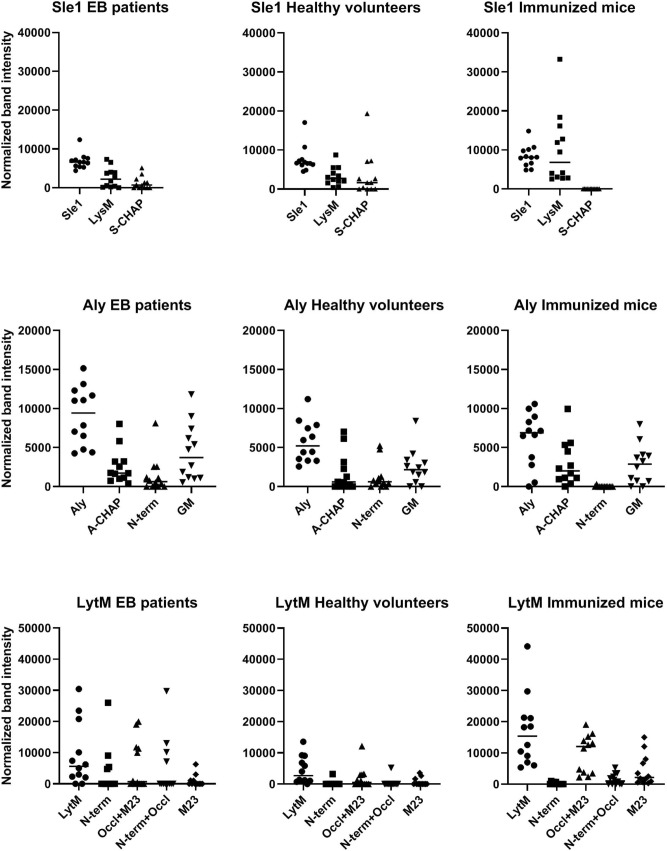
Staphylococcus aureus is an opportunistic pathogen causing high morbidity and mortality. Since multi-drug resistant S. aureus lineages are nowadays omnipresent, alternative tools for preventive or therapeutic interventions, like immunotherapy, are urgently needed. However, there are currently no vaccines against S. aureus. Surface-exposed and secreted proteins are regarded as potential targets for immunization against S. aureus infections. Yet, many potential staphylococcal antigens of this category do not elicit protective immune responses. To obtain a better understanding of this problem, we compared the binding of serum IgGs from healthy human volunteers, highly S. aureus-colonized patients with the genetic blistering disease epidermolysis bullosa (EB), or immunized mice to the purified S. aureus peptidoglycan hydrolases Sle1, Aly and LytM and their different domains. The results show that the most abundant serum IgGs from humans and immunized mice target the cell wall-binding domain of Sle1, and the catalytic domains of Aly and LytM. Interestingly, in a murine infection model, these particular IgGs were not protective against S. aureus bacteremia. In contrast, relatively less abundant IgGs against the catalytic domain of Sle1 and the N-terminal domains of Aly and LytM were almost exclusively detected in sera from EB patients and healthy volunteers. These latter IgGs may contribute to the protection against staphylococcal infections, as previous studies suggest that serum IgGs protect EB patients against severe S. aureus infection. Together, these observations focus attention on the use of particular protein domains for vaccination to direct potentially protective immune responses towards the most promising epitopes within staphylococcal antigens.
金黄色葡萄球菌是一种机会致病菌,可导致高发病率和死亡率。由于多药耐药的金黄色葡萄球菌谱系如今无处不在,因此迫切需要替代的预防或治疗干预工具,如免疫疗法。然而,目前还没有针对金黄色葡萄球菌的疫苗。表面暴露和分泌的蛋白质被认为是针对金黄色葡萄球菌感染的免疫接种的潜在目标。然而,许多此类潜在的葡萄球菌抗原不能引起保护性免疫反应。为了更好地理解这个问题,我们比较了来自健康人类志愿者、高度定植金黄色葡萄球菌的遗传大疱性表皮松解症(EB)患者或免疫小鼠的血清 IgG 与纯化的金黄色葡萄球菌肽聚糖水解酶 Sle1、Aly 和 LytM 及其不同结构域的结合情况。结果表明,来自人类和免疫小鼠的最丰富的血清 IgG 针对 Sle1 的细胞壁结合结构域和 Aly 和 LytM 的催化结构域。有趣的是,在小鼠感染模型中,这些特定的 IgG 不能预防金黄色葡萄球菌菌血症。相比之下,针对 Sle1 的催化结构域和 Aly 和 LytM 的 N 端结构域的相对较少的 IgG 在 EB 患者和健康志愿者的血清中几乎仅被检测到。这些 IgG 可能有助于预防葡萄球菌感染,因为之前的研究表明,血清 IgG 可保护 EB 患者免受严重的金黄色葡萄球菌感染。总之,这些观察结果使人们注意到使用特定的蛋白质结构域进行疫苗接种,以将潜在的保护性免疫反应引导到葡萄球菌抗原中最有希望的表位。