• 文献检索
  • 文档翻译
  • 深度研究
  • 学术资讯
  • Suppr Zotero 插件Zotero 插件
  • 邀请有礼
  • 套餐&价格
  • 历史记录
应用&插件
Suppr Zotero 插件Zotero 插件浏览器插件Mac 客户端Windows 客户端微信小程序
定价
高级版会员购买积分包购买API积分包
服务
文献检索文档翻译深度研究API 文档MCP 服务
关于我们
关于 Suppr公司介绍联系我们用户协议隐私条款
关注我们

Suppr 超能文献

核心技术专利:CN118964589B侵权必究
粤ICP备2023148730 号-1Suppr @ 2026

文献检索

告别复杂PubMed语法,用中文像聊天一样搜索,搜遍4000万医学文献。AI智能推荐,让科研检索更轻松。

立即免费搜索

文件翻译

保留排版,准确专业,支持PDF/Word/PPT等文件格式,支持 12+语言互译。

免费翻译文档

深度研究

AI帮你快速写综述,25分钟生成高质量综述,智能提取关键信息,辅助科研写作。

立即免费体验

与 ACL 损伤相关的神经认知和神经生理功能:神经认知方法在康复和重返运动测试中的应用框架。

Neurocognitive and Neurophysiological Functions Related to ACL Injury: A Framework for Neurocognitive Approaches in Rehabilitation and Return-to-Sports Tests.

机构信息

Exercise Science and Neuroscience Unit, Department Exercise and Health, University of Paderborn, Paderborn, Germany.

Center for Human Movement Sciences, University Medical Center Groningen, University of Groningen, Groningen, The Netherlands.

出版信息

Sports Health. 2022 Jul-Aug;14(4):549-555. doi: 10.1177/19417381211029265. Epub 2021 Jul 8.

DOI:10.1177/19417381211029265
PMID:34236003
原文链接:https://pmc.ncbi.nlm.nih.gov/articles/PMC9214902/
Abstract

CONTEXT

Only 55% of the athletes return to competitive sports after an anterior cruciate ligament (ACL) injury. Athletes younger than 25 years who return to sports have a second injury rate of 23%. There may be a mismatch between rehabilitation contents and the demands an athlete faces after returning to sports. Current return-to-sports (RTS) tests utilize closed and predictable motor skills; however, demands on the field are different. Neurocognitive functions are essential to manage dynamic sport situations and may fluctuate after peripheral injuries. Most RTS and rehabilitation paradigms appear to lack this aspect, which might be linked to increased risk of second injury.

OBJECTIVE

This systematic and scoping review aims to map existing evidence about neurocognitive and neurophysiological functions in athletes, which could be linked to ACL injury in an integrated fashion and bring an extensive perspective to assessment and rehabilitation approaches.

DATA SOURCES

PubMed and Cochrane databases were searched to identify relevant studies published between 2005 and 2020 using the keywords , , , , , , , and .

STUDY SELECTION

Studies investigating either neurocognitive or neurophysiological functions in athletes and linking these to ACL injury regardless of their design and technique were included.

STUDY DESIGN

Systematic review.

LEVEL OF EVIDENCE

Level 3.

DATA EXTRACTION

The demographic, temporal, neurological, and behavioral data revealing possible injury-related aspects were extracted and summarized.

RESULTS

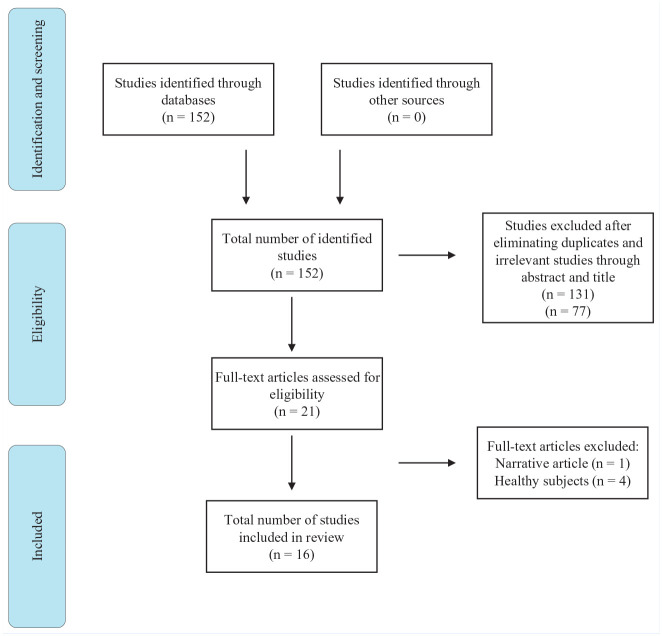
A total of 16 studies were included in this review. Deficits in different neurocognitive domains and changes in neurophysiological functions could be a predisposing risk factor for, or a consequence caused by, ACL injuries.

CONCLUSION

Clinicians should view ACL injuries not only as a musculoskeletal but also as a neural lesion with neurocognitive and neurophysiological aspects. Rehabilitation and RTS paradigms should consider these changes for assessment and interventions after injury.

摘要

背景

仅有 55%的前交叉韧带(ACL)损伤运动员能够重返竞技运动。25 岁以下重返运动的运动员再次受伤的概率为 23%。康复内容与运动员重返运动后面临的需求之间可能存在不匹配。目前的重返运动(RTS)测试利用了封闭且可预测的运动技能;然而,运动场上的需求却不同。神经认知功能对于管理动态运动情况至关重要,并且在周围神经损伤后可能会波动。大多数 RTS 和康复模式似乎都缺乏这一方面,这可能与再次受伤的风险增加有关。

目的

本系统和范围性综述旨在绘制现有的关于运动员神经认知和神经生理功能的证据图谱,这些证据可以以综合的方式与 ACL 损伤联系起来,并为评估和康复方法提供广泛的视角。

数据来源

使用关键词“前交叉韧带”“神经认知”“神经生理”“运动员”“评估”“康复”,在 PubMed 和 Cochrane 数据库中搜索了 2005 年至 2020 年间发表的相关研究。

研究选择

纳入了无论设计和技术如何,均调查运动员神经认知或神经生理功能并将这些功能与 ACL 损伤联系起来的研究。

研究设计

系统综述。

证据水平

3 级。

数据提取

提取并总结了揭示可能与损伤相关的方面的人口统计学、时间、神经学和行为数据。

结果

本综述共纳入了 16 项研究。不同神经认知领域的缺陷和神经生理功能的变化可能是 ACL 损伤的易患风险因素,或是 ACL 损伤导致的结果。

结论

临床医生不应仅将 ACL 损伤视为肌肉骨骼损伤,还应将其视为具有神经认知和神经生理方面的神经损伤。康复和 RTS 模式应考虑这些变化,以便在受伤后进行评估和干预。
https://cdn.ncbi.nlm.nih.gov/pmc/blobs/0e32/9214902/0f4fb3154180/10.1177_19417381211029265-fig1.jpg

相似文献

1
Neurocognitive and Neurophysiological Functions Related to ACL Injury: A Framework for Neurocognitive Approaches in Rehabilitation and Return-to-Sports Tests.与 ACL 损伤相关的神经认知和神经生理功能:神经认知方法在康复和重返运动测试中的应用框架。
Sports Health. 2022 Jul-Aug;14(4):549-555. doi: 10.1177/19417381211029265. Epub 2021 Jul 8.
2
One in 5 Athletes Sustain Reinjury Upon Return to High-Risk Sports After ACL Reconstruction: A Systematic Review in 1239 Athletes Younger Than 20 Years.五分之一的运动员在 ACL 重建后重返高风险运动时会再次受伤:对 1239 名 20 岁以下运动员的系统评价。
Sports Health. 2020 Nov/Dec;12(6):587-597. doi: 10.1177/1941738120912846. Epub 2020 May 6.
3
Anterior Cruciate Ligament Reconstruction Return-to-Sport Decision-Making: A Scoping Review.前交叉韧带重建术后重返运动决策:范围综述。
Sports Health. 2024 Jan-Feb;16(1):115-123. doi: 10.1177/19417381221147524. Epub 2023 Jan 27.
4
How Is Psychological Outcome Related to Knee Function and Return to Sport Among Adolescent Athletes After Anterior Cruciate Ligament Reconstruction?青少年前交叉韧带重建后心理结果与膝关节功能和重返运动的关系如何?
Am J Sports Med. 2019 Jun;47(7):1567-1575. doi: 10.1177/0363546519843073. Epub 2019 May 16.
5
Importance of functional performance and psychological readiness for return to preinjury level of sports 1 year after ACL reconstruction in competitive athletes.探讨在竞技运动员前交叉韧带重建术后 1 年,功能表现和心理准备对重返受伤前运动水平的重要性。
Knee Surg Sports Traumatol Arthrosc. 2020 Jul;28(7):2203-2212. doi: 10.1007/s00167-019-05774-y. Epub 2019 Nov 2.
6
Better Safe Than Sorry? A Systematic Review with Meta-analysis on Time to Return to Sport After ACL Reconstruction as a Risk Factor for Second ACL Injury.宁求稳妥,毋留遗憾?一项关于前交叉韧带重建术后恢复运动时间作为二次前交叉韧带损伤风险因素的系统评价与荟萃分析
J Orthop Sports Phys Ther. 2024 Mar;54(3):161-175. doi: 10.2519/jospt.2023.11977.
7
Return to sports in female athletes after anterior cruciate ligament reconstruction: A systematic review and metanalysis.女性前交叉韧带重建后重返运动:系统评价和荟萃分析。
J ISAKOS. 2024 Jun;9(3):378-385. doi: 10.1016/j.jisako.2024.01.008. Epub 2024 Jan 18.
8
Factors affecting return to sport following hamstrings anterior cruciate ligament reconstruction in non-elite athletes.非精英运动员腘绳肌前交叉韧带重建术后影响恢复运动的因素。
Eur J Orthop Surg Traumatol. 2019 Dec;29(8):1771-1779. doi: 10.1007/s00590-019-02494-4. Epub 2019 Jul 18.
9
Return to Sport Composite Test After Anterior Cruciate Ligament Reconstruction (K-STARTS): Factors Affecting Return to Sport Test Score in a Retrospective Analysis of 676 Patients.前交叉韧带重建后重返运动综合测试(K-STARTS):676 例回顾性分析中影响重返运动测试评分的因素。
Sports Health. 2021 Jul-Aug;13(4):364-372. doi: 10.1177/1941738120978240. Epub 2021 Feb 6.
10
Young Athletes Who Return to Sport Before 9 Months After Anterior Cruciate Ligament Reconstruction Have a Rate of New Injury 7 Times That of Those Who Delay Return.前交叉韧带重建后 9 个月内重返运动的年轻运动员再次受伤的几率是延迟返回的运动员的 7 倍。
J Orthop Sports Phys Ther. 2020 Feb;50(2):83-90. doi: 10.2519/jospt.2020.9071.

引用本文的文献

1
Dynamic change of direction, isometric strength, and psychological readiness in final phase ACLR athletes: an integrated approach.前交叉韧带重建术后末期运动员的方向动态变化、等长肌力及心理准备:一种综合方法
BMC Musculoskelet Disord. 2025 Aug 21;26(1):808. doi: 10.1186/s12891-025-09002-2.
2
The relationship between attentional control and injury-related biomechanics in young female volleyball players.年轻女性排球运动员的注意力控制与损伤相关生物力学之间的关系。
Front Physiol. 2025 Jul 4;16:1622026. doi: 10.3389/fphys.2025.1622026. eCollection 2025.
3
Harnessing Extended Reality for Neurocognitive Training in Chronic Pain: State of the Art, Opportunities, and Future Directions.

本文引用的文献

1
Neural activity for hip-knee control in those with anterior cruciate ligament reconstruction: A task-based functional connectivity analysis.前交叉韧带重建患者髋膝关节控制的神经活动:基于任务的功能连接性分析。
Neurosci Lett. 2020 Jun 21;730:134985. doi: 10.1016/j.neulet.2020.134985. Epub 2020 May 5.
2
Low-Intensity Electrical Stimulation to Improve the Neurological Aspect of Weakness in Individuals with Chronic Anterior Cruciate Ligament Lesion.低强度电刺激改善慢性前交叉韧带损伤患者的神经虚弱方面。
Biomed Res Int. 2020 Mar 23;2020:7436274. doi: 10.1155/2020/7436274. eCollection 2020.
3
Athletes after anterior cruciate ligament reconstruction demonstrate asymmetric intracortical facilitation early after surgery.
利用扩展现实技术进行慢性疼痛的神经认知训练:现状、机遇与未来方向。
Healthcare (Basel). 2025 Jun 4;13(11):1338. doi: 10.3390/healthcare13111338.
4
A Cognitive Dual Task Alters Dynamic Tibiofemoral Movements During Jump-Landing Assessments in Healthy Participants.一项认知双重任务会改变健康参与者在跳跃着陆评估期间的动态胫股关节运动。
Orthop J Sports Med. 2025 May 28;13(5):23259671251340996. doi: 10.1177/23259671251340996. eCollection 2025 May.
5
Cognitive Control After ACL Reconstruction: A Cross-Sectional Study on Impaired Proactive Inhibition Compared to Healthy Controls.前交叉韧带重建后的认知控制:一项与健康对照相比,关于主动抑制受损的横断面研究。
Brain Sci. 2025 May 12;15(5):497. doi: 10.3390/brainsci15050497.
6
The Effect of Verbal Combined Focus of Attention and Video Instruction Training on Knee Valgus and Landing Technique in Semiprofessional Female Athletes.言语联合注意力焦点与视频指导训练对半职业女性运动员膝外翻及落地技术的影响
Orthop J Sports Med. 2025 Apr 4;13(4):23259671251326454. doi: 10.1177/23259671251326454. eCollection 2025 Apr.
7
Neurophysiology of ACL Injury.前交叉韧带损伤的神经生理学
Orthop Rev (Pavia). 2025 Feb 19;17:129173. doi: 10.52965/001c.129173. eCollection 2025.
8
Relationships between Patient-Reported Outcomes and Predictors of Second ACL Injuries during Unanticipated Jump Landings.意外跳跃着陆时患者报告的结果与第二次前交叉韧带损伤预测因素之间的关系。
Med Sci Sports Exerc. 2025 Apr 1;57(4):840-848. doi: 10.1249/MSS.0000000000003603. Epub 2024 Nov 18.
9
Monitoring Cortical and Neuromuscular Activity: Six-month Insights into Knee Joint Position Sense Following ACL Reconstruction.监测皮质和神经肌肉活动:前交叉韧带重建术后膝关节位置觉的六个月观察
Int J Sports Phys Ther. 2024 Nov 2;19(11):1290-1303. doi: 10.26603/001c.124840. eCollection 2024.
10
Relationship between Cognitive Demands and Biomechanical Indicators Associated with Anterior Cruciate Ligament Injury: A Systematic Review.认知需求与前交叉韧带损伤相关生物力学指标之间的关系:一项系统综述。
Sports Med. 2025 Jan;55(1):145-165. doi: 10.1007/s40279-024-02124-y. Epub 2024 Oct 29.
前交叉韧带重建后运动员在术后早期表现出皮质内不对称易化。
J Orthop Res. 2021 Jan;39(1):147-153. doi: 10.1002/jor.24666. Epub 2020 Mar 23.
4
Functional Brain Plasticity Associated with ACL Injury: A Scoping Review of Current Evidence.与 ACL 损伤相关的功能性大脑可塑性:当前证据的范围综述。
Neural Plast. 2019 Dec 27;2019:3480512. doi: 10.1155/2019/3480512. eCollection 2019.
5
Corticospinal tract structure and excitability in patients with anterior cruciate ligament reconstruction: A DTI and TMS study.前交叉韧带重建患者皮质脊髓束结构和兴奋性:DTI 和 TMS 研究。
Neuroimage Clin. 2020;25:102157. doi: 10.1016/j.nicl.2019.102157. Epub 2019 Dec 27.
6
Corticomotor function is associated with quadriceps rate of torque development in individuals with ACL surgery.皮质运动功能与 ACL 手术后个体的股四头肌力矩发展速率相关。
Exp Brain Res. 2020 Feb;238(2):283-294. doi: 10.1007/s00221-019-05713-w. Epub 2020 Jan 2.
7
Comparing the effects of external focus of attention and continuous cognitive task on postural control in anterior cruciate ligament reconstructed athletes.比较外部注意焦点和连续认知任务对前交叉韧带重建运动员姿势控制的影响。
Neurosci Lett. 2020 Jan 10;715:134666. doi: 10.1016/j.neulet.2019.134666. Epub 2019 Nov 30.
8
Are biomechanical stability deficits during unplanned single-leg landings related to specific markers of cognitive function?在无计划的单腿着陆过程中,生物力学稳定性不足是否与认知功能的特定标志物有关?
J Sci Med Sport. 2020 Jan;23(1):82-88. doi: 10.1016/j.jsams.2019.09.003. Epub 2019 Oct 1.
9
Anterior Cruciate Ligament Research Retreat VIII Summary Statement: An Update on Injury Risk Identification and Prevention Across the Anterior Cruciate Ligament Injury Continuum, March 14-16, 2019, Greensboro, NC.前交叉韧带研究研讨会VIII总结声明:前交叉韧带损伤连续过程中损伤风险识别与预防的最新进展,2019年3月14日至16日,北卡罗来纳州格林斯伯勒
J Athl Train. 2019 Sep;54(9):970-984. doi: 10.4085/1062-6050-54.084. Epub 2019 Aug 28.
10
Alterations in knee sensorimotor brain functional connectivity contributes to ACL injury in male high-school football players: a prospective neuroimaging analysis.膝关节感觉运动脑功能连接的改变导致男性高中足球运动员 ACL 损伤:一项前瞻性神经影像学分析。
Braz J Phys Ther. 2020 Sep-Oct;24(5):415-423. doi: 10.1016/j.bjpt.2019.07.004. Epub 2019 Jul 17.