KITE Research Institute, Toronto Rehabilitation Institute - University Health Network (UHN), Toronto, ON, Canada.
The Institute for Biomedical Engineering, University of Toronto, Toronto, ON, Canada.
Biomed Eng Online. 2021 Jul 12;20(1):68. doi: 10.1186/s12938-021-00905-4.
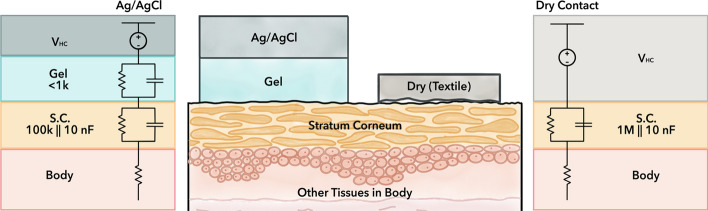
Continuous long-term electrocardiography monitoring has been increasingly recognized for early diagnosis and management of different types of cardiovascular diseases. To find an alternative to Ag/AgCl gel electrodes that are improper for this application scenario, many efforts have been undertaken to develop novel flexible dry textile electrodes integrated into the everyday garments. With significant progresses made to address the potential issues (e.g., low signal-to-noise ratio, high skin-electrode impedance, motion artifact, and low durability), the lack of standard evaluation procedure hinders the further development of dry electrodes (mainly the design and optimization).
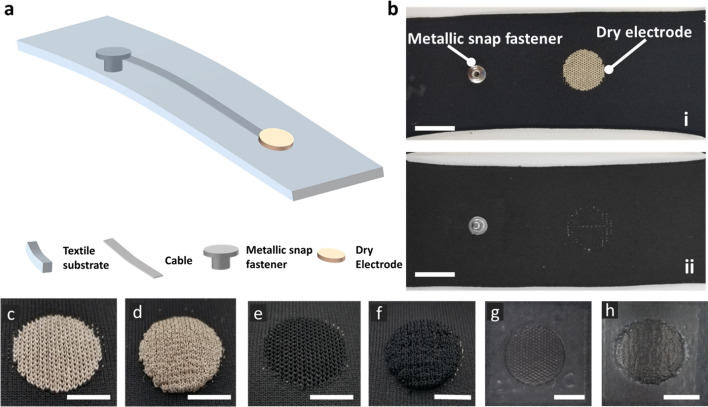
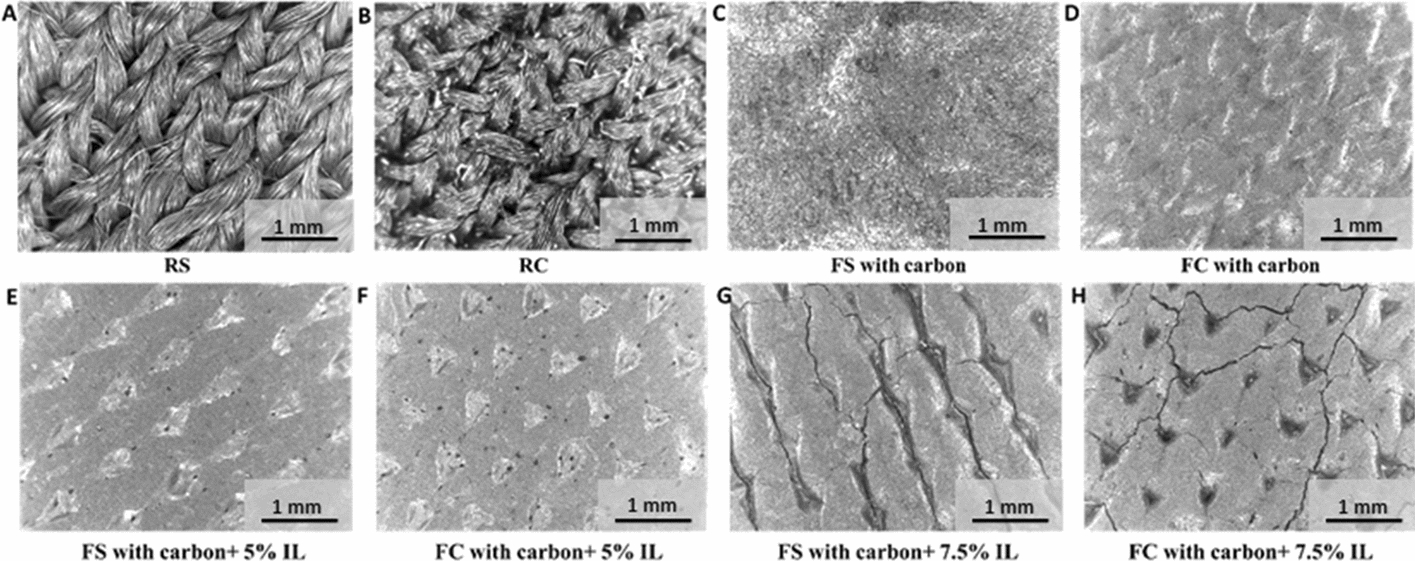
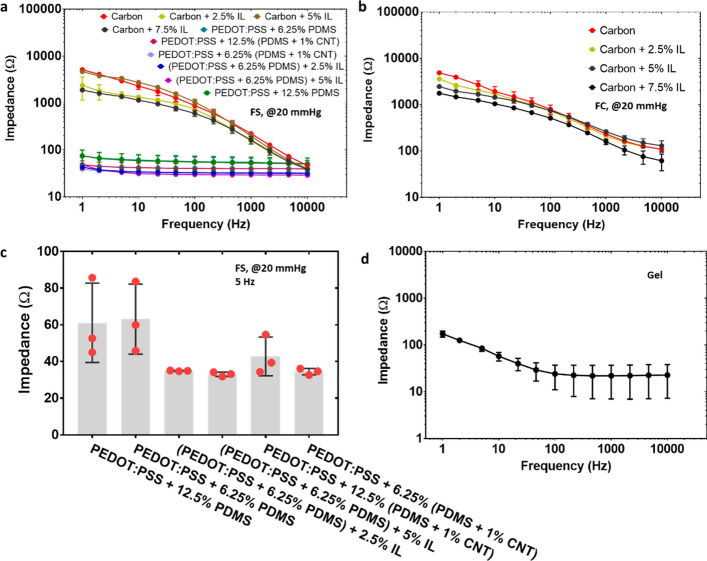
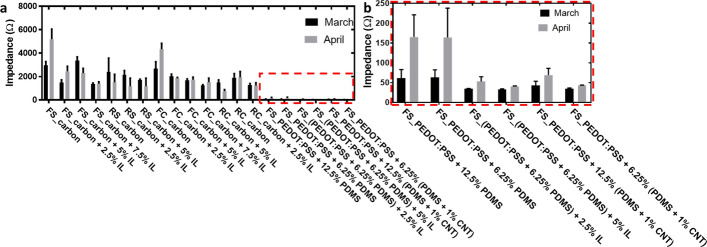
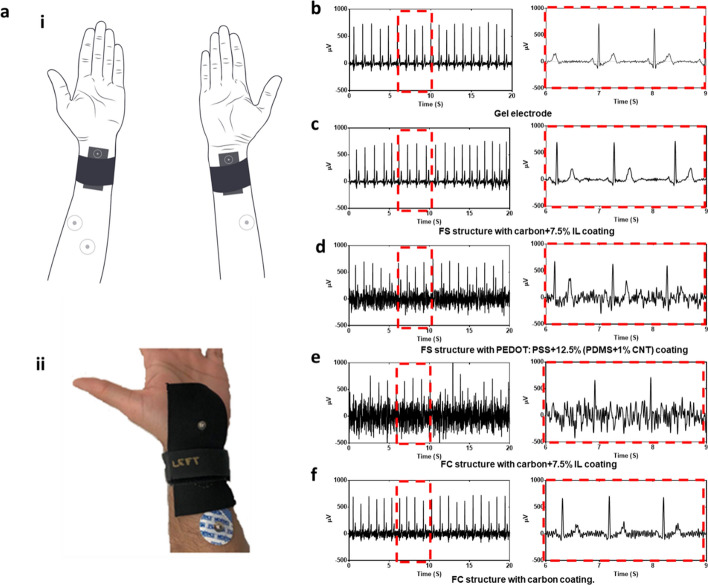
A standard testing procedure and framework for skin-electrode impedance measurement is demonstrated for the development of novel dry textile electrodes. Different representative electrode materials have been screen-printed on textile substrates. To verify the performance of dry textile electrodes, impedance measurements are conducted on an agar skin model using a universal setup with consistent frequency and pressure. In addition, they are demonstrated for ECG signals acquisition, in comparison to those obtained using conventional gel electrodes.
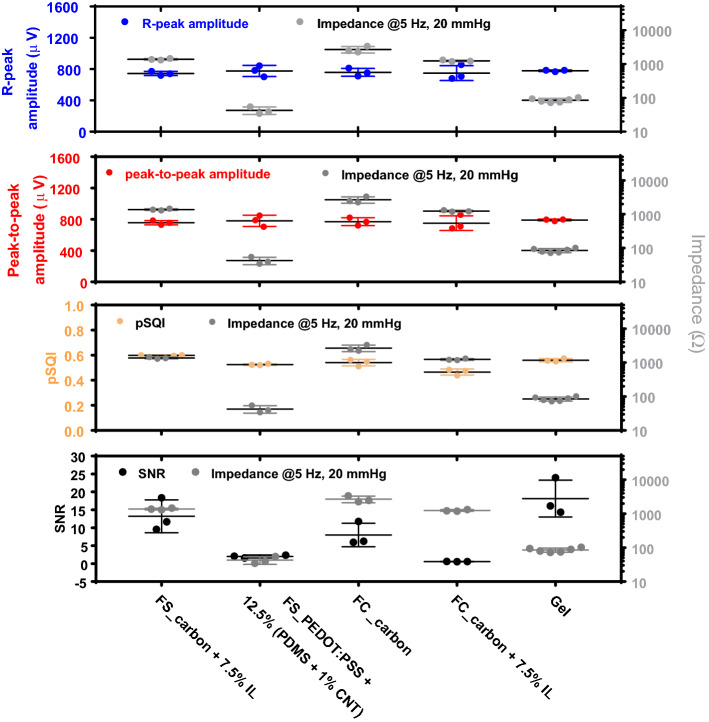
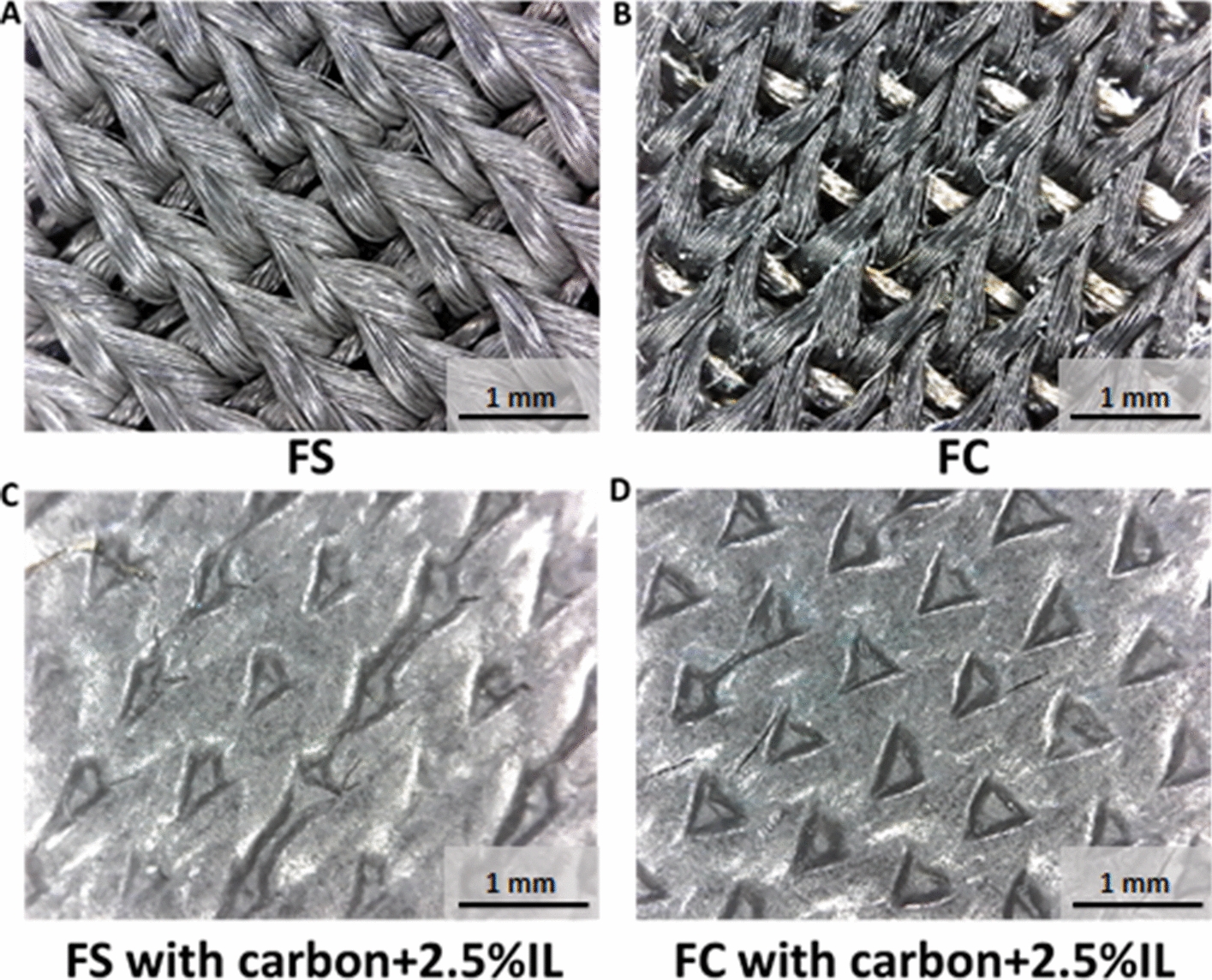
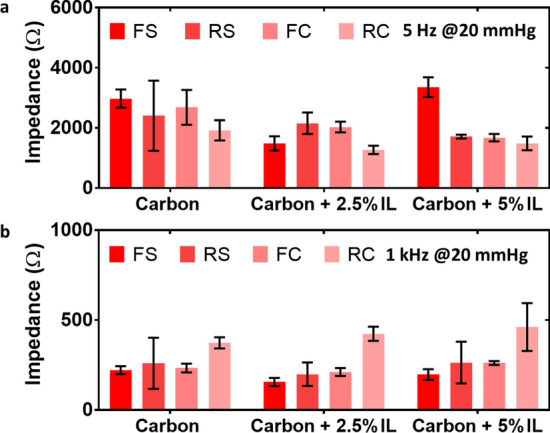
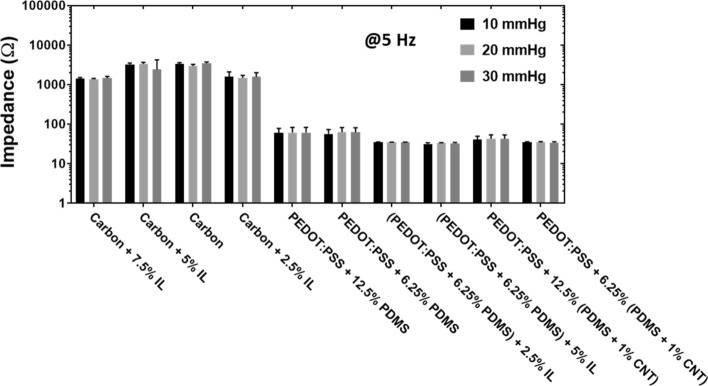
Dry textile electrodes demonstrated similar impedance when in raised or flat structures. The tested pressure variations had an insignificant impact on electrode impedance. Looking at the effect of impedance on ECG signals, a noticeable effect on ECG signal performance metrics was not observed. Therefore, it is suggested that impedance alone is possibly not the primary indicator of signal quality. As well, the developed methods can also serve as useful guidelines for future textile dry-electrode design and testing for practical ECG monitoring applications.
连续长期心电图监测已越来越被认可,可用于早期诊断和管理各种心血管疾病。为了寻找一种替代不适合这种应用场景的 Ag/AgCl 凝胶电极的方法,人们已经做出了很多努力,开发出了集成在日常服装中的新型柔性干式纺织电极。虽然在解决潜在问题方面取得了重大进展(例如,信噪比低、皮肤-电极阻抗高、运动伪影和耐用性低),但缺乏标准评估程序阻碍了干式电极的进一步发展(主要是设计和优化)。
为了开发新型干式纺织电极,展示了用于皮肤-电极阻抗测量的标准测试程序和框架。不同有代表性的电极材料已被丝网印刷到纺织基底上。为了验证干式纺织电极的性能,在具有一致频率和压力的通用设置上,在琼脂皮肤模型上进行了阻抗测量。此外,还对它们进行了 ECG 信号采集的演示,与使用传统凝胶电极获得的结果进行了比较。
干式纺织电极在凸起或平坦结构下表现出相似的阻抗。测试的压力变化对电极阻抗的影响不大。从阻抗对 ECG 信号的影响来看,没有观察到对 ECG 信号性能指标的明显影响。因此,建议阻抗本身可能不是信号质量的主要指标。此外,所开发的方法也可以为未来的实用 ECG 监测应用的纺织干式电极设计和测试提供有用的指导。