Jagga Supriya, Sharma Ashish Ranjan, Lee Yeon Hee, Nam Ju-Suk, Lee Sang-Soo
Institute for Skeletal Aging and Orthopedic Surgery, Hallym University-Chuncheon Sacred Heart Hospital, Chuncheon, South Korea.
Front Mol Biosci. 2021 Jun 23;8:666295. doi: 10.3389/fmolb.2021.666295. eCollection 2021.
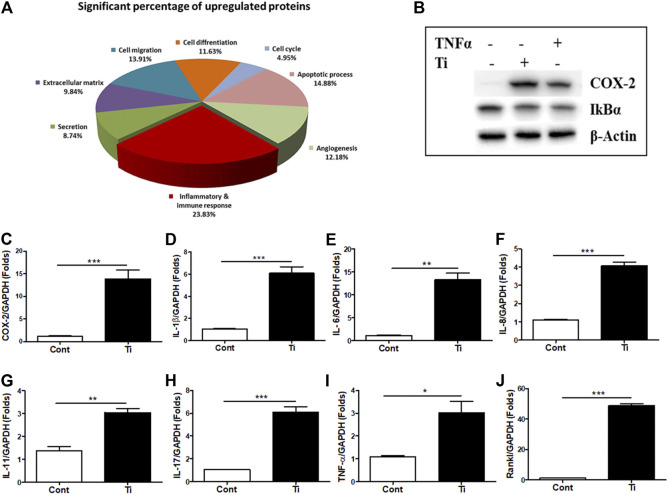
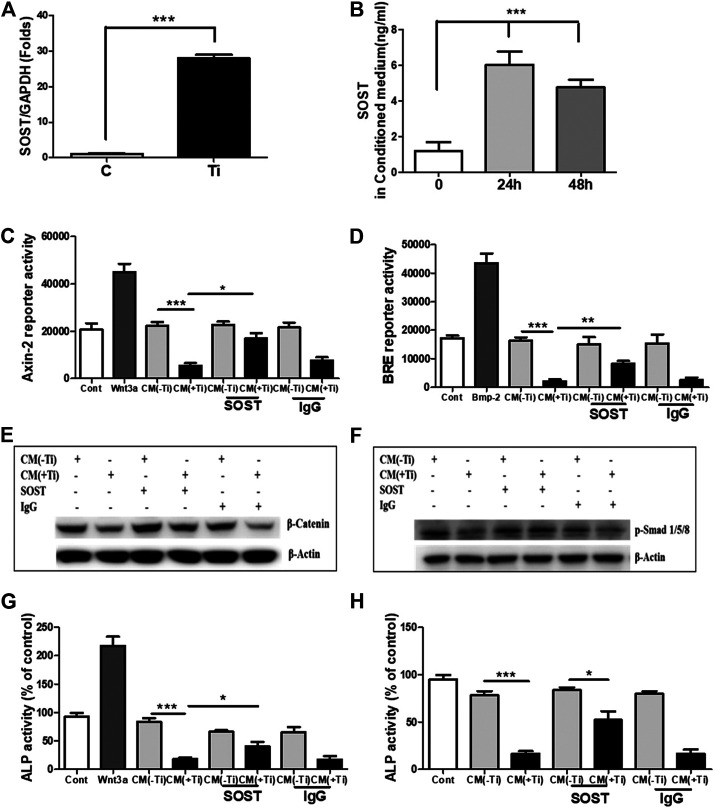
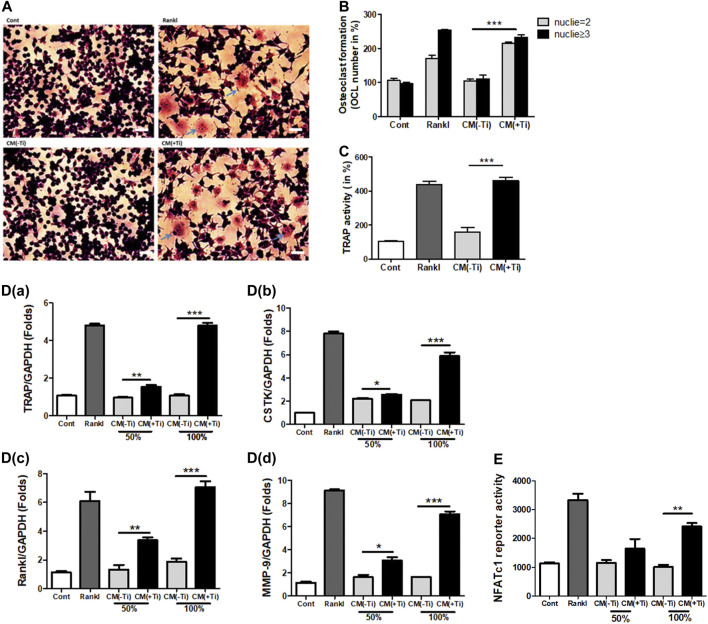
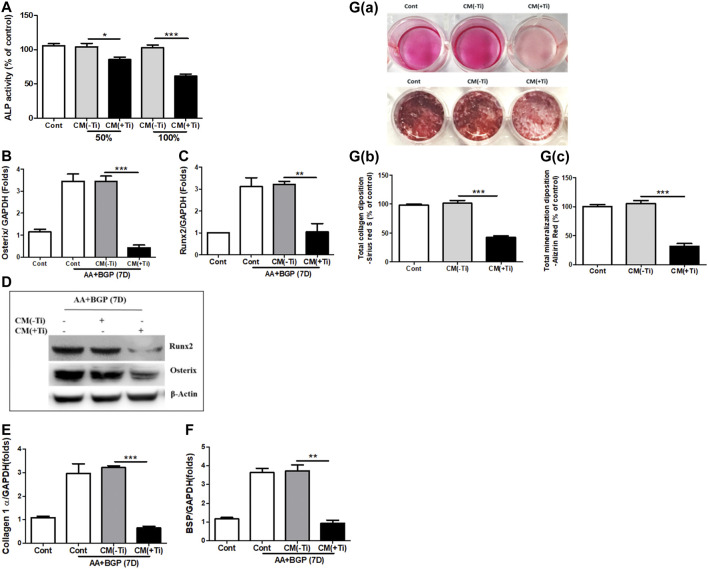
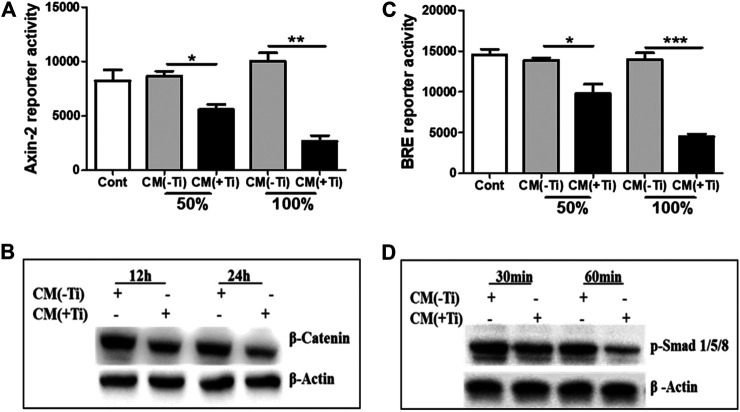
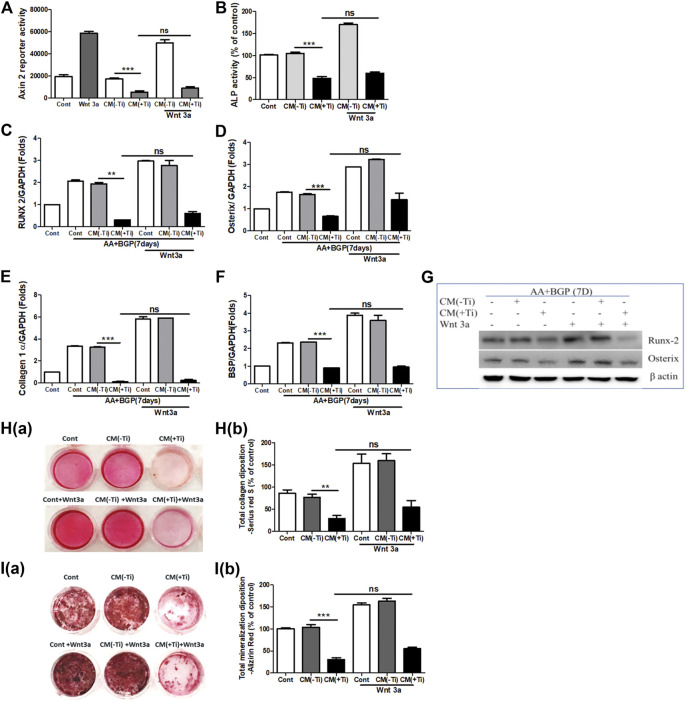
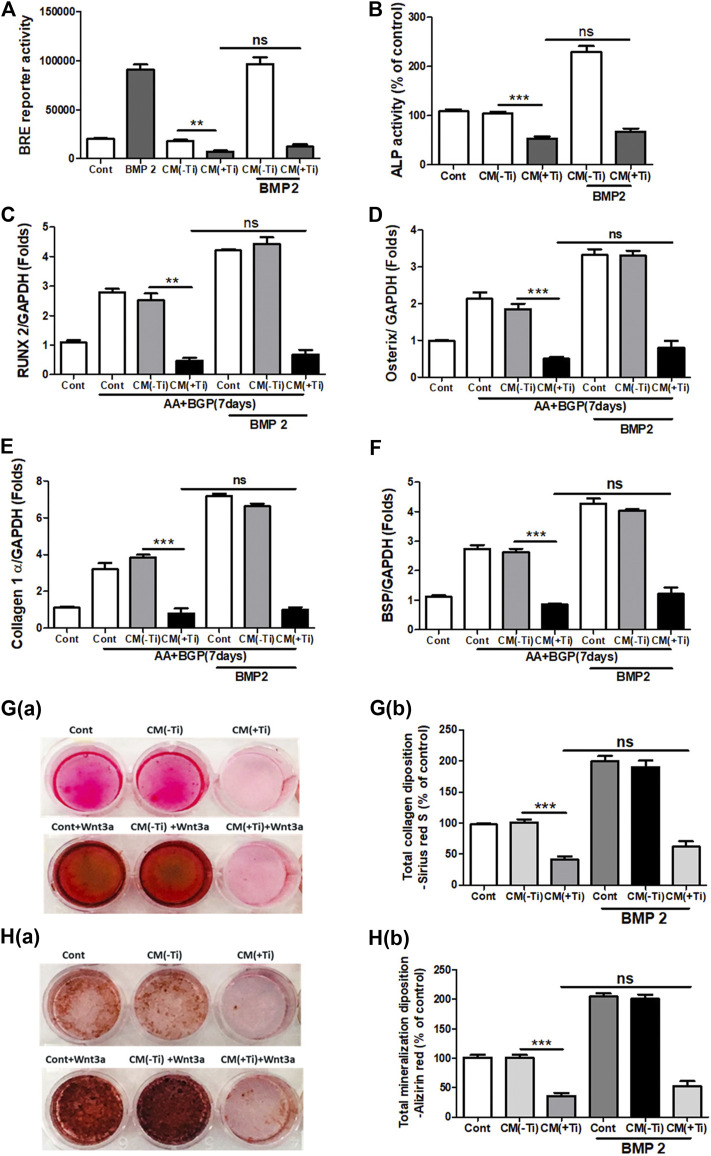
Engineered biomaterials are envisioned to replace, augment, or interact with living tissues for improving the functional deformities associated with end-stage joint pathologies. Unfortunately, wear debris from implant interfaces is the major factor leading to periprosthetic osteolysis. Fibroblast-like synoviocytes (FLSs) populate the intimal lining of the synovium and are in direct contact with wear debris. This study aimed to elucidate the effect of Ti particles as wear debris on human FLSs and the mechanism by which they might participate in the bone remodeling process during periprosthetic osteolysis. FLSs were isolated from synovial tissue from patients, and the condition medium (CM) was collected after treating FLSs with sterilized Ti particles. The effect of CM was analyzed for the induction of osteoclastogenesis or any effect on osteogenesis and signaling pathways. The results demonstrated that Ti particles could induce activation of the NFκB signaling pathway and induction of COX-2 and inflammatory cytokines in FLSs. The amount of Rankl in the conditioned medium collected from Ti particle-stimulated FLSs (Ti CM) showed the ability to stimulate osteoclast formation. The Ti CM also suppressed the osteogenic initial and terminal differentiation markers for osteoprogenitors, such as alkaline phosphate activity, matrix mineralization, collagen synthesis, and expression levels of Osterix, Runx2, collagen 1α, and bone sialoprotein. Inhibition of the WNT and BMP signaling pathways was observed in osteoprogenitors after the treatment with the Ti CM. In the presence of the Ti CM, exogenous stimulation by WNT and BMP signaling pathways failed to stimulate osteogenic activity in osteoprogenitors. Induced expression of sclerostin (SOST: an antagonist of WNT and BMP signaling) in Ti particle-treated FLSs and secretion of SOST in the Ti CM were detected. Neutralization of SOST in the Ti CM partially restored the suppressed WNT and BMP signaling activity as well as the osteogenic activity in osteoprogenitors. Our results reveal that wear debris-stimulated FLSs might affect bone loss by not only stimulating osteoclastogenesis but also suppressing the bone-forming ability of osteoprogenitors. In the clinical setting, targeting FLSs for the secretion of antagonists like SOST might be a novel therapeutic approach for preventing bone loss during inflammatory osteolysis.
工程生物材料被设想用于替代、增强或与活组织相互作用,以改善与终末期关节病变相关的功能畸形。不幸的是,植入物界面产生的磨损颗粒是导致假体周围骨溶解的主要因素。成纤维样滑膜细胞(FLS)分布于滑膜内膜,与磨损颗粒直接接触。本研究旨在阐明作为磨损颗粒的钛颗粒对人FLS的影响以及它们在假体周围骨溶解过程中可能参与骨重塑过程的机制。从患者滑膜组织中分离出FLS,用灭菌钛颗粒处理FLS后收集条件培养基(CM)。分析CM对破骨细胞生成的诱导作用或对成骨及信号通路的任何影响。结果表明,钛颗粒可诱导FLS中NFκB信号通路的激活以及COX-2和炎性细胞因子的诱导。从钛颗粒刺激的FLS(Ti CM)收集的条件培养基中Rankl的量显示出刺激破骨细胞形成的能力。Ti CM还抑制了骨祖细胞的成骨初始和终末分化标志物,如碱性磷酸酶活性、基质矿化、胶原蛋白合成以及Osterix、Runx2、胶原蛋白1α和骨唾液蛋白的表达水平。用Ti CM处理后,在骨祖细胞中观察到WNT和BMP信号通路的抑制。在存在Ti CM的情况下,WNT和BMP信号通路的外源性刺激未能刺激骨祖细胞的成骨活性。检测到钛颗粒处理的FLS中硬化蛋白(SOST:WNT和BMP信号的拮抗剂)的诱导表达以及Ti CM中SOST的分泌。中和Ti CM中的SOST可部分恢复被抑制的WNT和BMP信号活性以及骨祖细胞的成骨活性。我们的结果表明,磨损颗粒刺激的FLS可能不仅通过刺激破骨细胞生成,还通过抑制骨祖细胞的骨形成能力来影响骨质流失。在临床环境中,针对FLS分泌像SOST这样的拮抗剂可能是预防炎性骨溶解期间骨质流失的一种新的治疗方法。