
靶向给药——从魔弹到纳米医学:原理、挑战与未来展望
Targeted Drug Delivery - From Magic Bullet to Nanomedicine: Principles, Challenges, and Future Perspectives.
作者信息
Tewabe Ashagrachew, Abate Atlaw, Tamrie Manaye, Seyfu Abyou, Abdela Siraj Ebrahim
机构信息
Department of Pharmacy, College of Medicine and Health Sciences, Bahir Dar University, Bahir Dar, Ethiopia.
Ethiopian Food and Drug Authority (EFDA), Federal Ministry of Health (FMoH), Addis Ababa, Ethiopia.
出版信息
J Multidiscip Healthc. 2021 Jul 5;14:1711-1724. doi: 10.2147/JMDH.S313968. eCollection 2021.
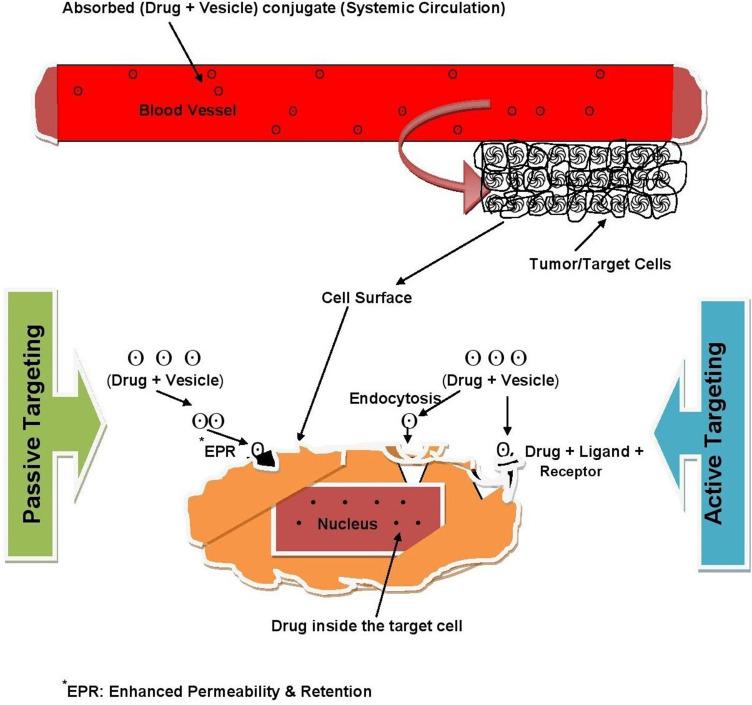
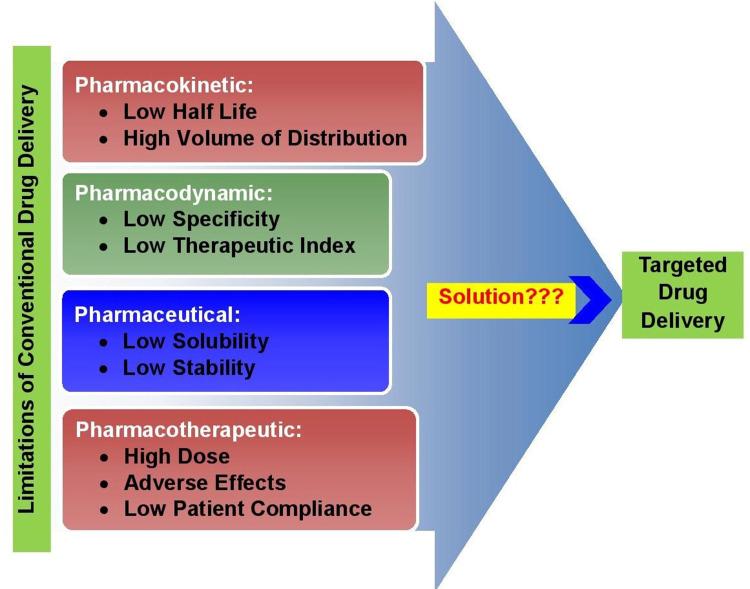
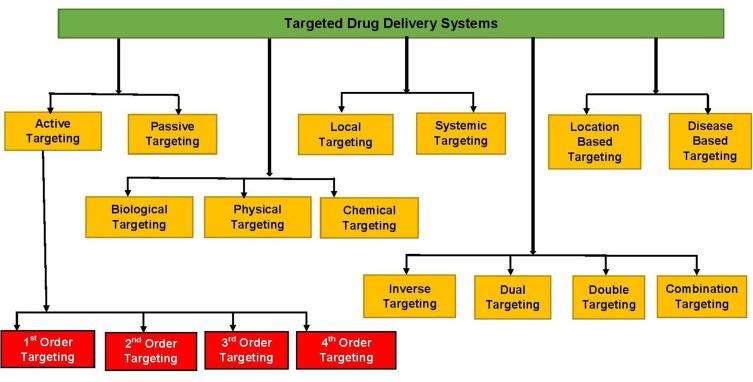
Nanomedicine is an advanced version of Paul Ehrlich's "magic bullet" concept. Targeted drug delivery is a system of specifying the drug moiety directly into its targeted body area (organ, cellular, and subcellular level of specific tissue) to overcome the aspecific toxic effect of conventional drug delivery, thereby reducing the amount of drug required for therapeutic efficacy. To achieve this objective, the magic bullet concept was developed and pushed scientists to investigate for more than a century, leading to the envisioning of different nanometer-sized devices - today's nanomedicine. Different carrier systems are being used and investigated, which include colloidal (vesicular and multiparticulate) carriers, polymers, and cellular/subcellular systems. This review addresses the need for and advantages of targeting, with its basic principles, strategies, and carrier systems. Recent advances, challenges, and future perspectives are also highlighted.
纳米医学是保罗·埃尔利希“神奇子弹”概念的进阶版。靶向给药是一种将药物部分直接输送到其靶向身体区域(特定组织的器官、细胞和亚细胞水平)的系统,以克服传统给药的非特异性毒性作用,从而减少治疗效果所需的药物量。为实现这一目标,“神奇子弹”概念应运而生,并推动科学家们进行了一个多世纪的研究,催生了对不同纳米尺寸装置的设想——即如今的纳米医学。目前正在使用和研究不同的载体系统,包括胶体(囊泡和多颗粒)载体、聚合物以及细胞/亚细胞系统。本综述阐述了靶向给药的必要性和优势、其基本原理、策略以及载体系统。还重点介绍了最新进展、挑战和未来展望。
 Zotero 插件