School of Clinical Medicine, Chengdu Medical College, Chengdu, Sichuan, PR China.
The First Affiliated Hospital of Chengdu Medical College, Chengdu, Sichuan, PR China.
Cell Death Dis. 2021 Jul 20;12(8):721. doi: 10.1038/s41419-021-04004-z.
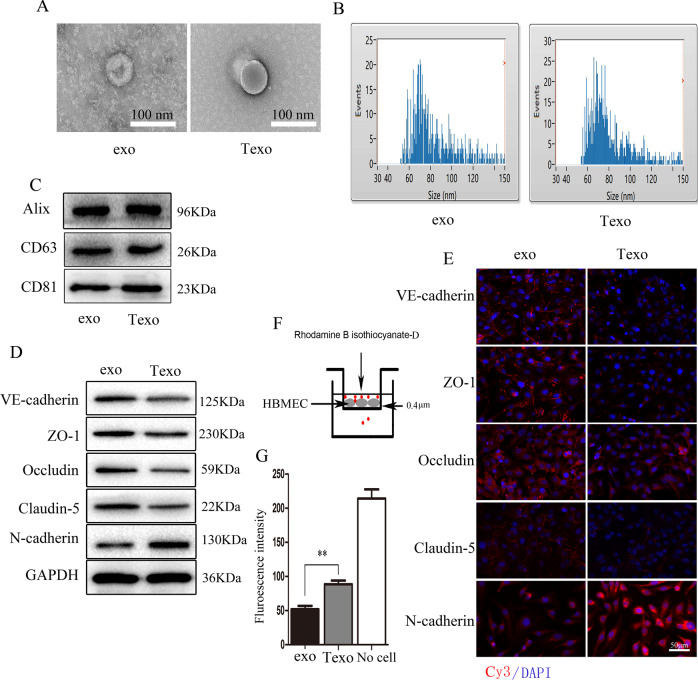
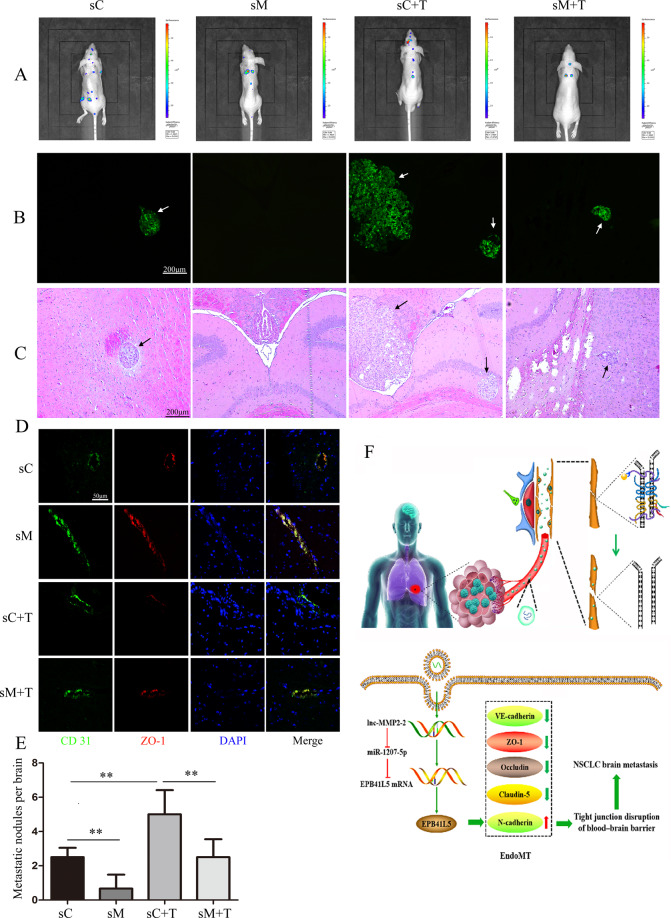
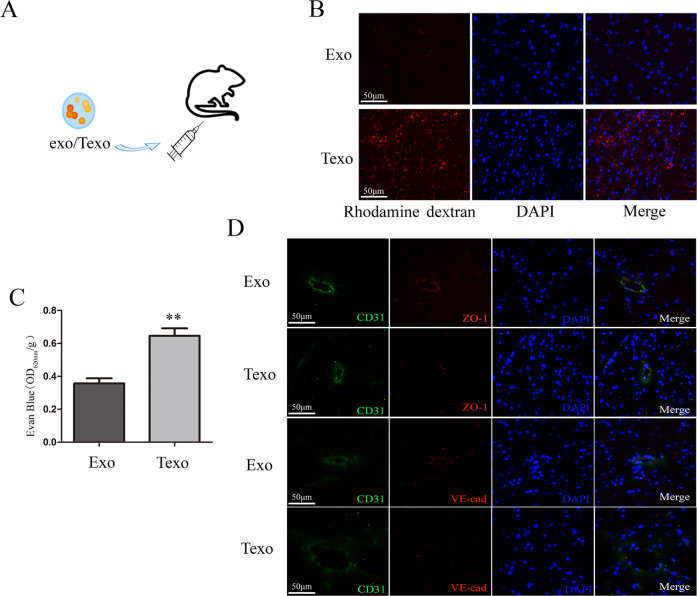
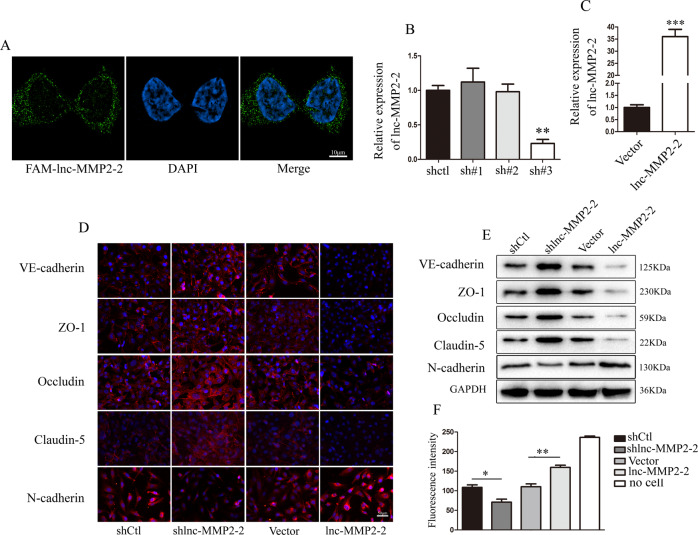
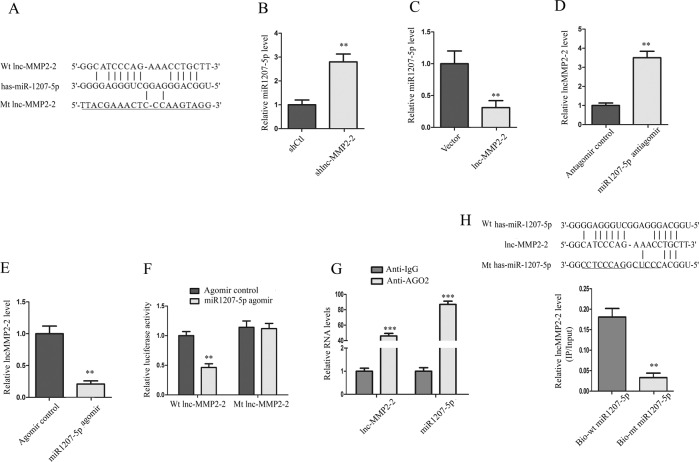
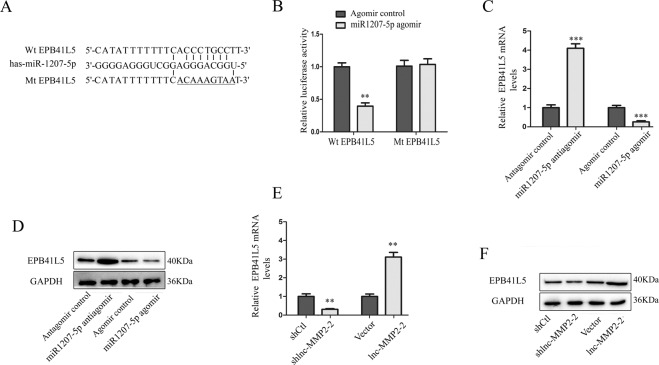
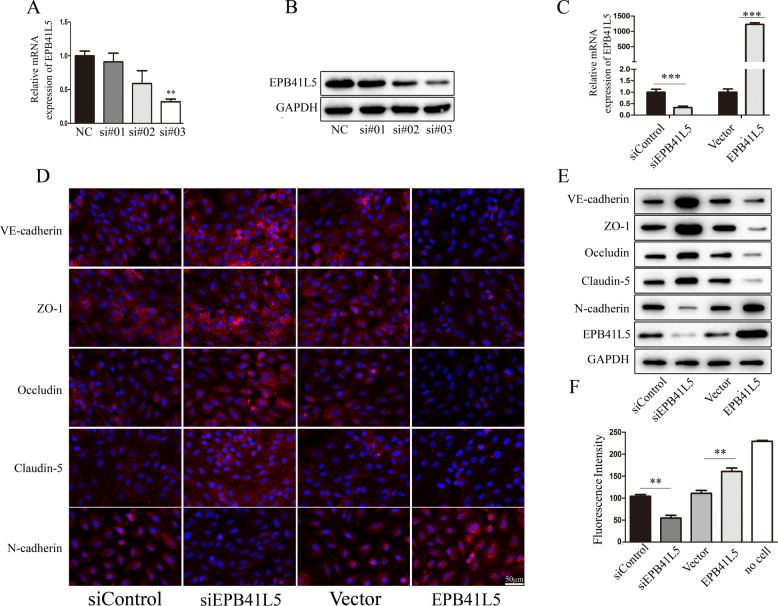
Brain metastases remain a major problem in patients with advanced non-small cell lung cancer (NSCLC). The permeability of the blood-brain barrier (BBB) is highly increased during lung cancer brain metastasis; however, the underlying mechanism remains largely unknown. We previously found that lnc-MMP2-2 is highly enriched in tumor growth factor (TGF)-β1-mediated exosomes and regulates the migration of lung cancer cells. This study aimed to explore the role of exosomal lnc-MMP2-2 in the regulation of BBB and NSCLC brain metastasis. Here, using endothelial monolayers and mouse models, we found that TGF-β1-mediated NSCLC-derived exosomes efficiently destroyed tight junctions and the integrity of these natural barriers. Overexpression of lnc-MMP2-2 in human brain microvascular endothelial cells increased vascular permeability in endothelial monolayers, whereas inhibition of lnc-MMP2-2 alleviated these effects. Furthermore, lnc-MMP2-2 knockdown markedly reduced NSCLC brain metastasis in vivo. Mechanistically, through luciferase reporter assays, RNA pull-down assay, and Ago2 RNA immunoprecipitation assay, we showed that lnc-MMP2-2 served as a microRNA sponge or a competing endogenous RNA for miR-1207-5p and consequently modulated the derepression of EPB41L5. In conclusion, TGF-β1-mediated exosomal lnc-MMP2-2 increases BBB permeability to promote NSCLC brain metastasis. Thus, exosomal lnc-MMP2-2 may be a potential biomarker and therapeutic target against lung cancer brain metastasis.
脑转移仍然是晚期非小细胞肺癌(NSCLC)患者的一个主要问题。在肺癌脑转移期间,血脑屏障(BBB)的通透性会大大增加;然而,其潜在机制在很大程度上仍然未知。我们之前发现,长链非编码 RNA-MMP2-2 在肿瘤生长因子(TGF)-β1 介导的外泌体中高度富集,并调节肺癌细胞的迁移。本研究旨在探讨外泌体 lnc-MMP2-2 在调节 BBB 和 NSCLC 脑转移中的作用。在这里,我们使用内皮单层细胞和小鼠模型发现,TGF-β1 介导的 NSCLC 衍生的外泌体有效地破坏了紧密连接和这些天然屏障的完整性。lnc-MMP2-2 在人脑微血管内皮细胞中的过表达增加了内皮单层细胞中的血管通透性,而 lnc-MMP2-2 的抑制减轻了这些作用。此外,lnc-MMP2-2 的敲低显著减少了 NSCLC 脑转移的发生。从机制上讲,通过荧光素酶报告基因测定、RNA 下拉测定和 Ago2 RNA 免疫沉淀测定,我们表明 lnc-MMP2-2 作为 microRNA 海绵或 miR-1207-5p 的竞争性内源 RNA,从而调节 EPB41L5 的去抑制。总之,TGF-β1 介导的外泌体 lnc-MMP2-2 增加 BBB 的通透性,促进 NSCLC 脑转移。因此,外泌体 lnc-MMP2-2 可能是一种针对肺癌脑转移的潜在生物标志物和治疗靶点。