Division of Genome Medicine, Institute of Advanced Medical Sciences, Tokushima University, Tokushima, Japan.
Cancer Precision Medicine Center, Japanese Foundation for Cancer Research, Koto-ku, Tokyo, Japan.
J Hum Genet. 2021 Sep;66(9):927-935. doi: 10.1038/s10038-021-00962-6. Epub 2021 Jul 20.
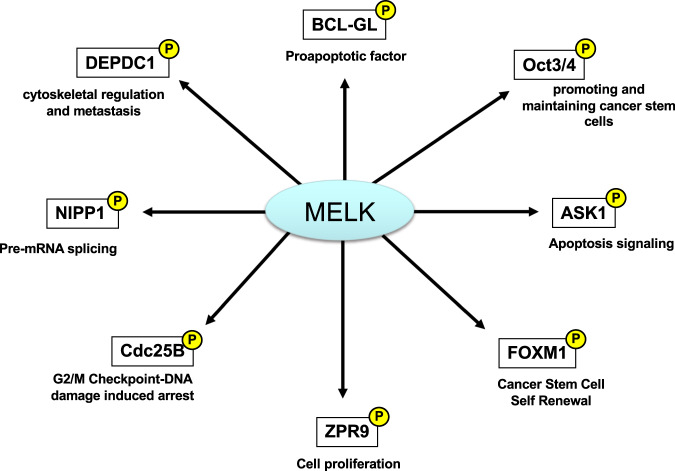
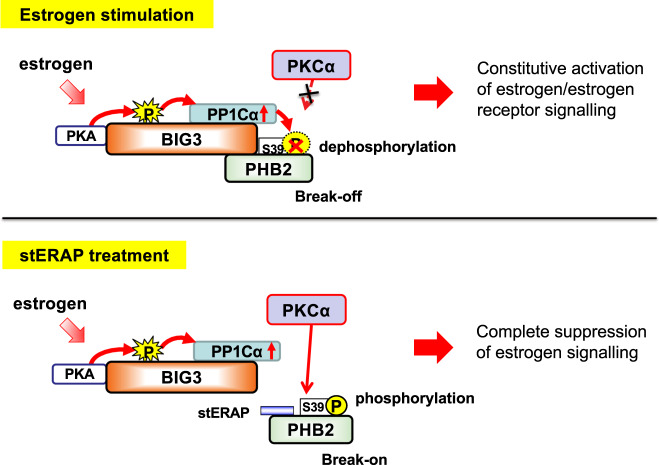
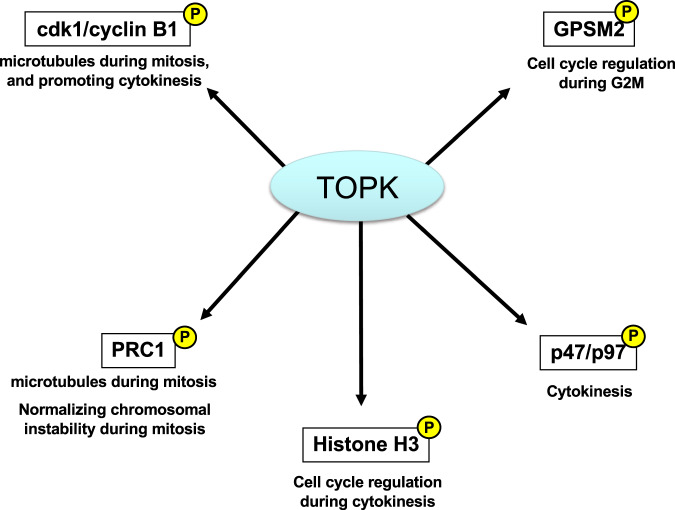
Breast cancer is a heterogeneous disease that develops through a multistep process via the accumulation of genetic/epigenetic alterations in various cancer-related genes. Current treatment options for breast cancer patients include surgery, radiotherapy, and chemotherapy including conventional cytotoxic and molecular-targeted anticancer drugs for each intrinsic subtype, such as endocrine therapy and antihuman epidermal growth factor receptor 2 (HER2) therapy. However, these therapies often fail to prevent recurrence and metastasis due to resistance. Overall, understanding the molecular mechanisms of breast carcinogenesis and progression will help to establish therapeutic modalities to improve treatment. The recent development of comprehensive omics technologies has led to the discovery of driver genes, including oncogenes and tumor-suppressor genes, contributing to the development of molecular-targeted anticancer drugs. Here, we review the development of anticancer drugs targeting cancer-specific functional therapeutic targets, namely, MELK (maternal embryonic leucine zipper kinase), TOPK (T-lymphokine-activated killer cell-originated protein kinase), and BIG3 (brefeldin A-inhibited guanine nucleotide-exchange protein 3), as identified through comprehensive breast cancer transcriptomics.
乳腺癌是一种异质性疾病,通过各种癌症相关基因的遗传/表观遗传改变的积累,经过多步过程发展而来。目前乳腺癌患者的治疗选择包括手术、放疗和化疗,包括针对每个固有亚型的常规细胞毒性和分子靶向抗癌药物,如内分泌治疗和抗人表皮生长因子受体 2(HER2)治疗。然而,由于耐药性的存在,这些疗法常常无法预防复发和转移。总的来说,了解乳腺癌发生和发展的分子机制将有助于建立治疗模式以改善治疗效果。综合组学技术的最新发展导致了驱动基因的发现,包括癌基因和肿瘤抑制基因,这些基因有助于分子靶向抗癌药物的开发。在这里,我们回顾了针对癌症特异性功能治疗靶点的抗癌药物的开发,即 MELK(母系胚胎亮氨酸拉链激酶)、TOPK(T 淋巴细胞激活的杀伤细胞源性蛋白激酶)和 BIG3(布雷菲德菌素 A 抑制鸟嘌呤核苷酸交换蛋白 3),这些靶点是通过全面的乳腺癌转录组学研究确定的。