Rita Eyisi, Chizoo Esonye, Cyril Ume Sunday
Electrical and Electronic Engineering Department, Alex Ekwueme Federal University, Ndufu Alike, Abakaliki, Nigeria.
Chemical Engineering Department, Alex Ekwueme Federal University, Ndufu Alike, Abakaliki, Nigeria.
Heliyon. 2021 Jun 30;7(7):e07455. doi: 10.1016/j.heliyon.2021.e07455. eCollection 2021 Jul.
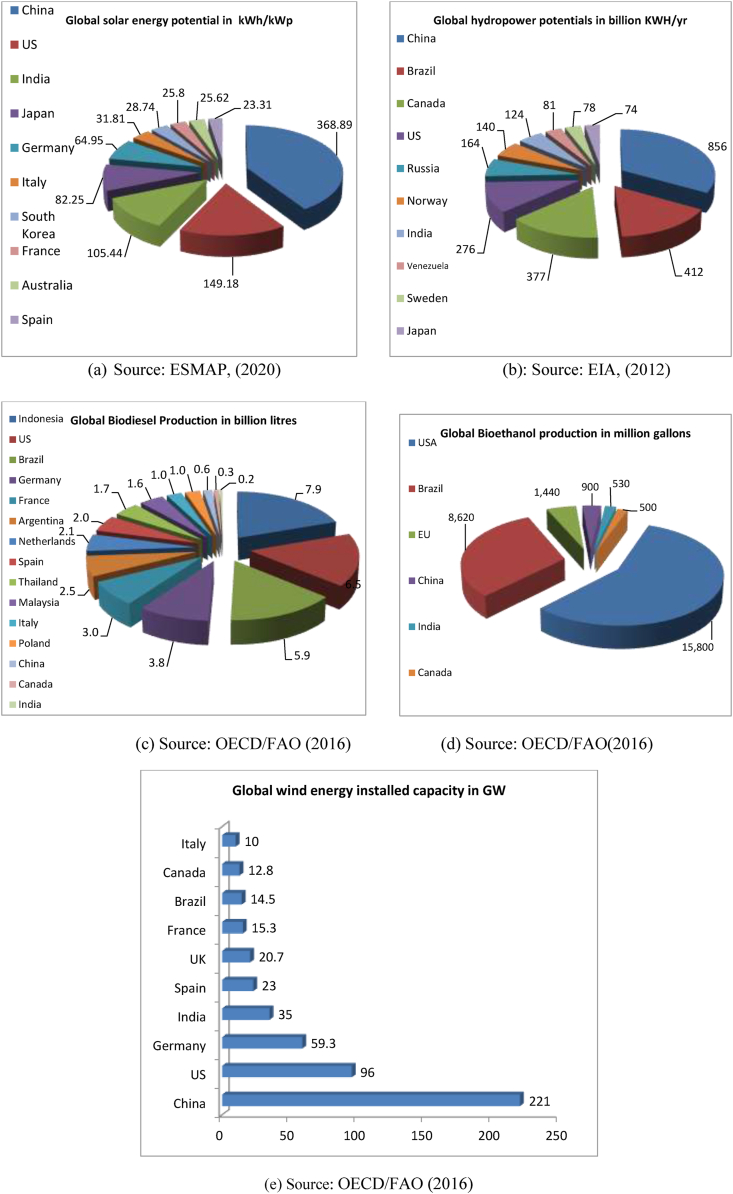
The lock down engendered by COVID-19 pandemic has impacted positively on the environment through reduction of the emissions of green house gases, CO, CO and other pollutants into the atmosphere below the pre-COVID-19 levels. There are fears that the gains made in the environment during COVID-19 may be frittered away as nations around the world make serious efforts to boost the COVID-19 recessed economy through massive investments in the sectors of the economy that are not environmentally friendly. This paper emphasizes on the essence of maintaining the COVID-19 pandemic era environmental impact levels in post COVID-19 era without retarding the efforts towards economic recovery. World health organization (WHO) data from six regions between April and August 2020 was evaluated. Emission levels during the COVID-19 lockdown were reviewed. The global renewable energy potentials were ascertained. The paper suggests that investment in renewable energy resources for various countries' energy needs will help sustain the green and clean environment created by the COVID-19 lockdown even after COVID-19 era lockdown. Also, building large scale and distributed energy storage infrastructure and application of artificial intelligence would ensure security of energy supply and handle unstable nature of solar and wind energy. The COVID-19 lockdown significantly reduced air pollution. The application of biofuels to generate energy and power was found to significantly reduce air pollutant emissions similar to COVID-19 lockdown.
由新冠疫情引发的封锁对环境产生了积极影响,温室气体、一氧化碳、二氧化碳及其他污染物向大气中的排放量降至新冠疫情前水平以下。人们担心,随着世界各国通过对不环保的经济部门进行大规模投资来大力推动受新冠疫情影响陷入衰退的经济,新冠疫情期间在环境方面取得的成果可能会付诸东流。本文强调在不阻碍经济复苏努力的情况下,在新冠疫情后时代维持新冠疫情时期环境影响水平的重要性。对世界卫生组织(WHO)2020年4月至8月期间六个地区的数据进行了评估。回顾了新冠疫情封锁期间的排放水平。确定了全球可再生能源潜力。本文建议,为满足各国能源需求而对可再生能源资源进行投资,将有助于在新冠疫情时代封锁结束后,仍维持由新冠疫情封锁所创造的绿色清洁环境。此外,建设大规模和分布式储能基础设施以及应用人工智能将确保能源供应安全,并应对太阳能和风能的不稳定特性。新冠疫情封锁显著减少了空气污染。研究发现,应用生物燃料来产生能源和电力,与新冠疫情封锁类似,能显著减少空气污染物排放。