Jenull Sabrina, Mair Theresia, Tscherner Michael, Penninger Philipp, Zwolanek Florian, Silao Fitz-Gerald S, de San Vicente Kontxi Martinez, Riedelberger Michael, Bandari Naga C, Shivarathri Raju, Petryshyn Andriy, Chauhan Neeraj, Zacchi Lucia F, -Landmann Salomé LeibundGut, Ljungdahl Per O, Kuchler Karl
Department of Medical Biochemistry, Max Perutz Labs Vienna, Medical University of Vienna, Campus Vienna Biocenter, 1030 Vienna, Austria.
Department of Molecular Biosciences, The Wenner-Gren Institute, Stockholm University, 106 91 Stockholm, Sweden.
Cell Rep. 2021 Jul 20;36(3):109406. doi: 10.1016/j.celrep.2021.109406.
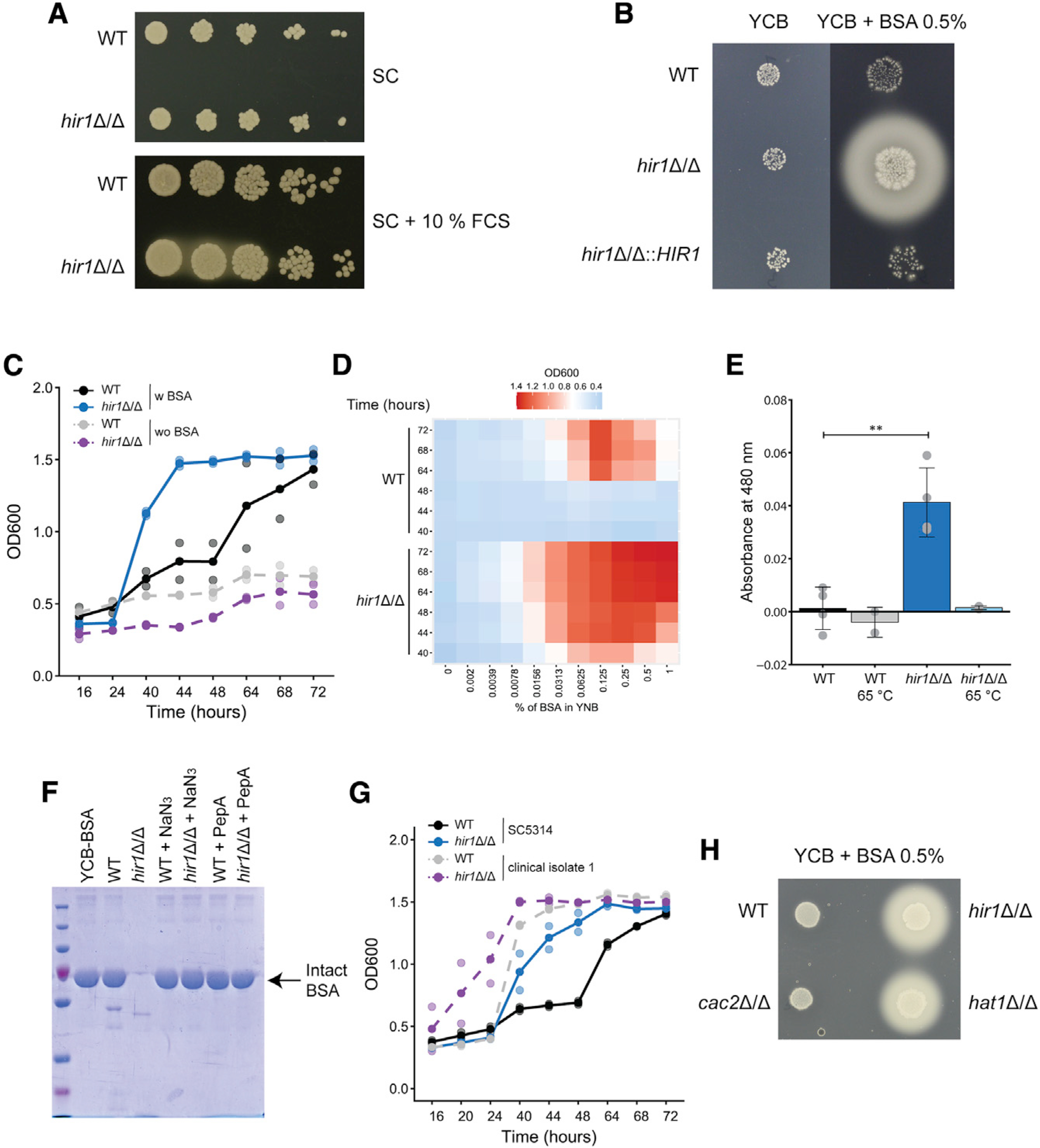
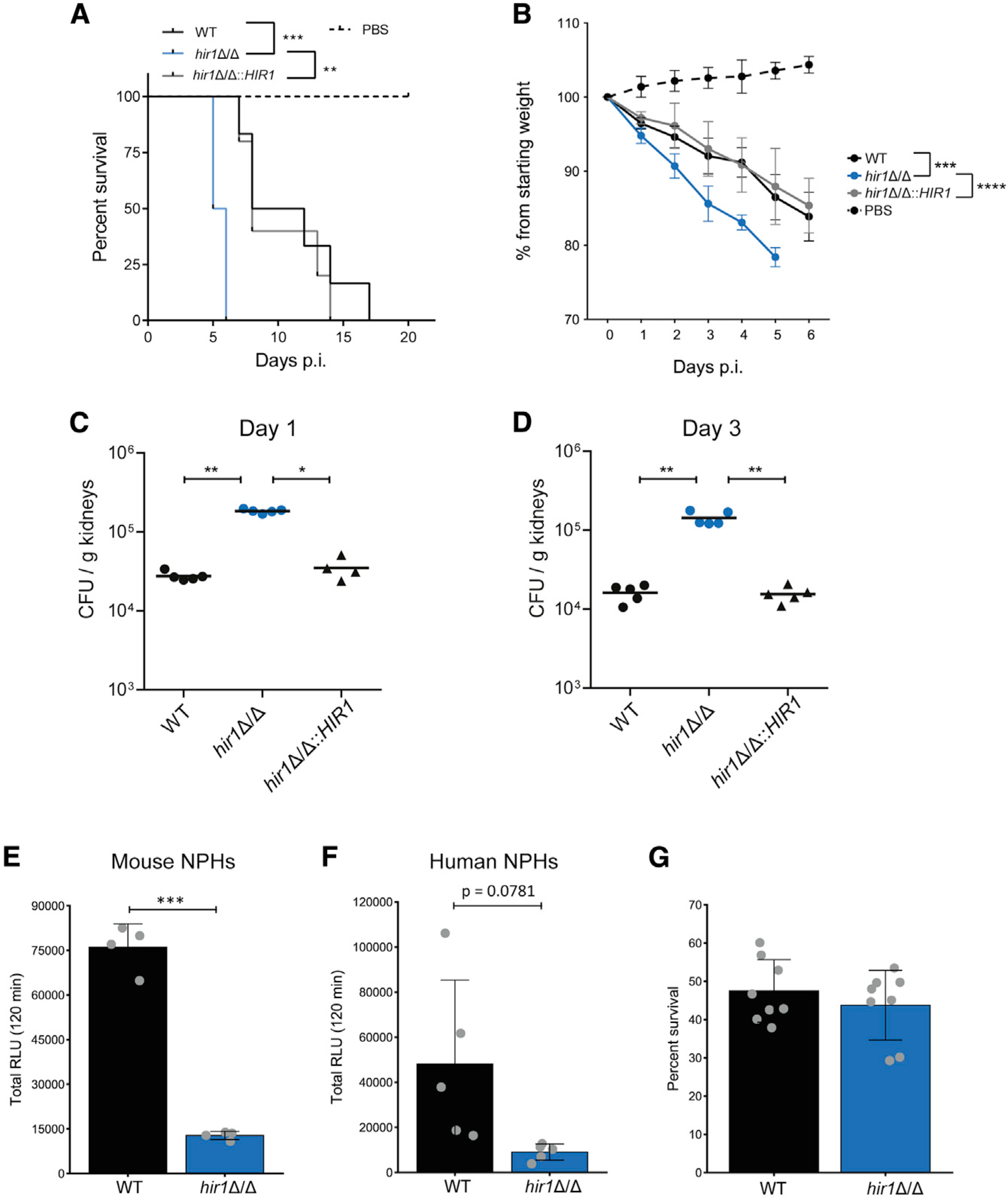
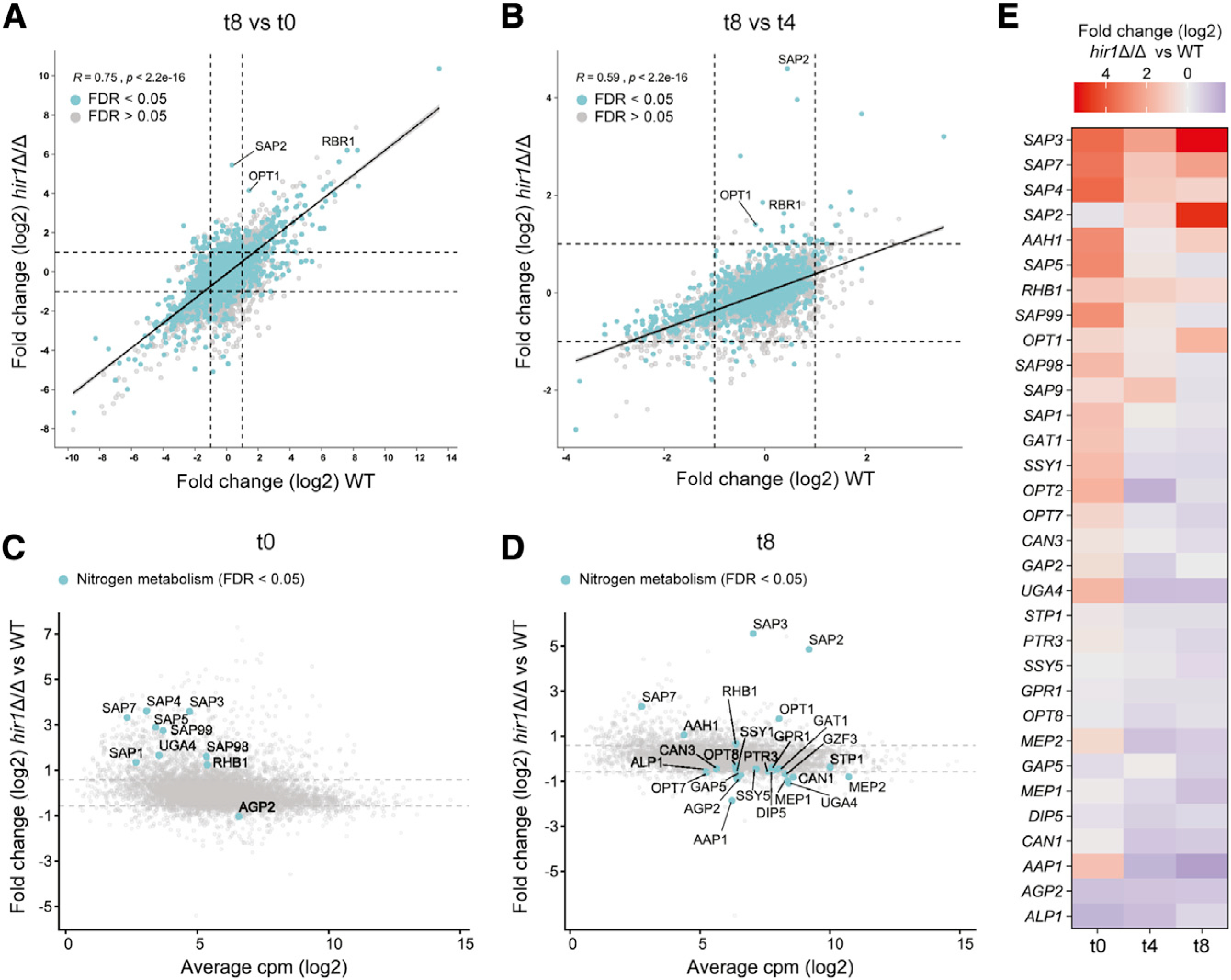
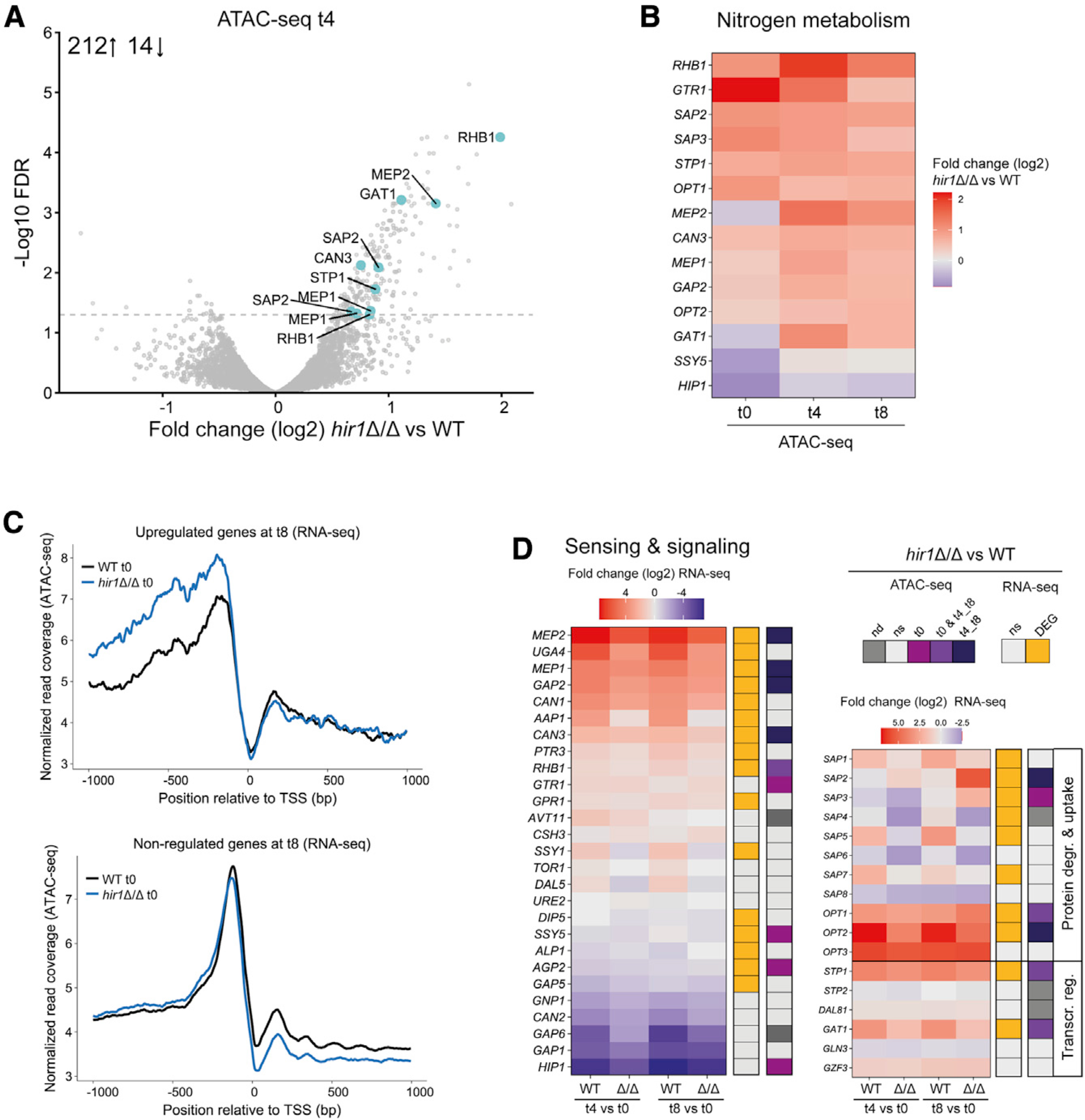
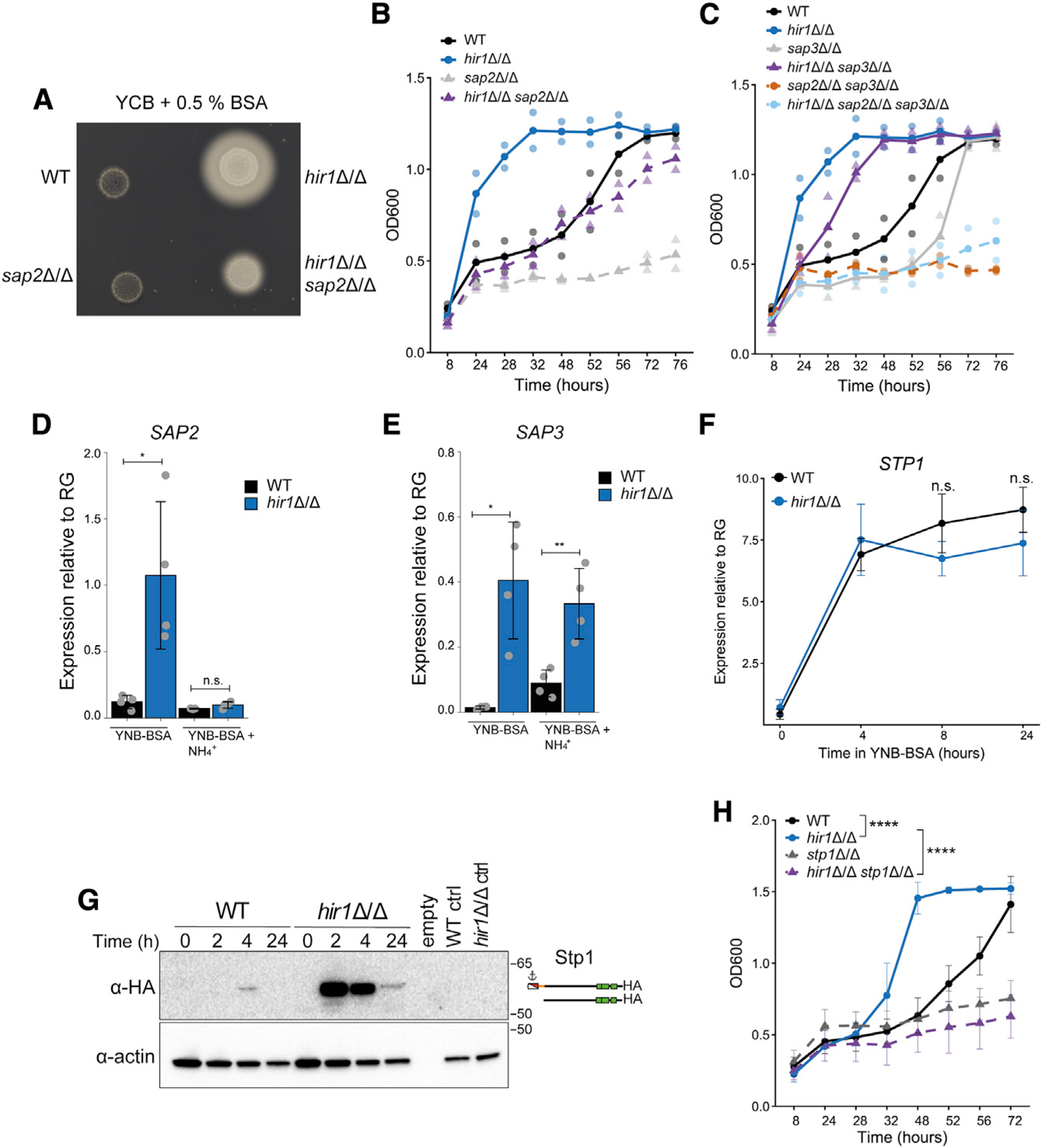
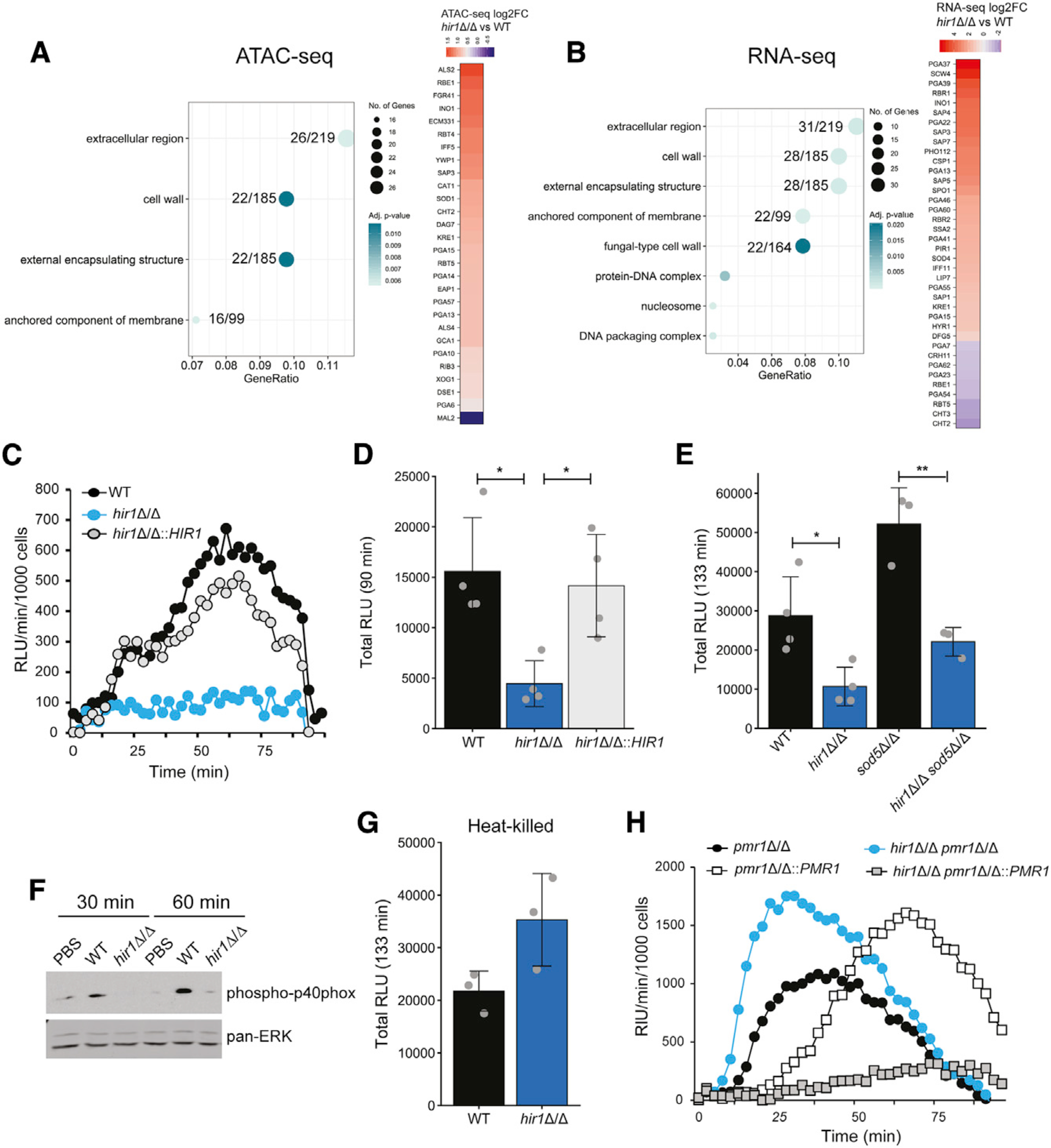
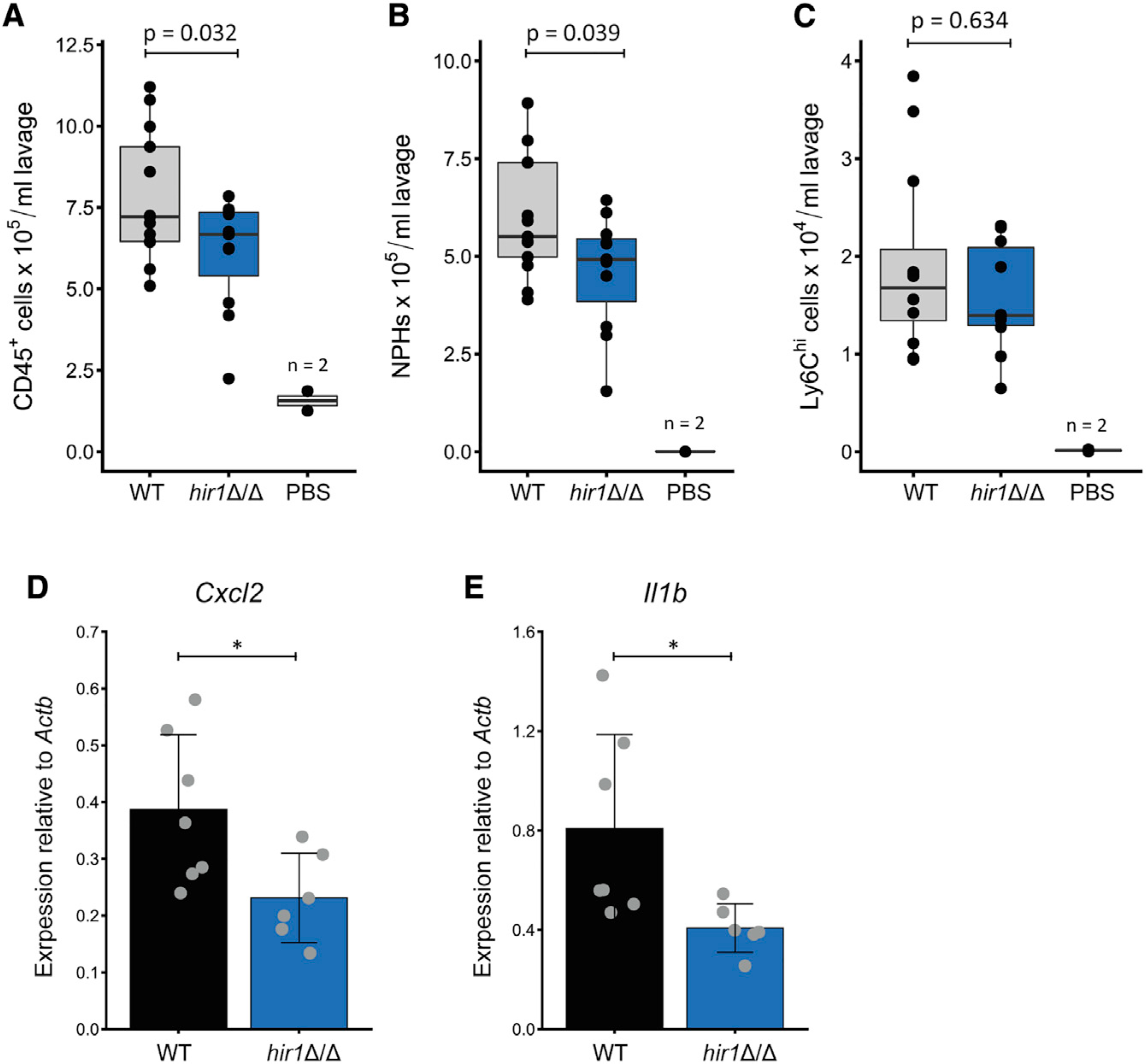
Adaptation to changing environments and immune evasion is pivotal for fitness of pathogens. Yet, the underlying mechanisms remain largely unknown. Adaptation is governed by dynamic transcriptional re-programming, which is tightly connected to chromatin architecture. Here, we report a pivotal role for the HIR histone chaperone complex in modulating virulence of the human fungal pathogen Candida albicans. Genetic ablation of HIR function alters chromatin accessibility linked to aberrant transcriptional responses to protein as nitrogen source. This accelerates metabolic adaptation and increases the release of extracellular proteases, which enables scavenging of alternative nitrogen sources. Furthermore, HIR controls fungal virulence, as HIR1 deletion leads to differential recognition by immune cells and hypervirulence in a mouse model of systemic infection. This work provides mechanistic insights into chromatin-coupled regulatory mechanisms that fine-tune pathogen gene expression and virulence. Furthermore, the data point toward the requirement of refined screening approaches to exploit chromatin modifications as antifungal strategies.
适应不断变化的环境和逃避免疫对于病原体的适应性至关重要。然而,其潜在机制在很大程度上仍不为人知。适应是由动态转录重编程所调控的,而转录重编程与染色质结构紧密相连。在此,我们报道了HIR组蛋白伴侣复合体在调节人类真菌病原体白色念珠菌毒力方面的关键作用。HIR功能的基因敲除改变了与对蛋白质作为氮源的异常转录反应相关的染色质可及性。这加速了代谢适应并增加了细胞外蛋白酶的释放,从而能够清除替代氮源。此外,HIR控制真菌毒力,因为HIR1缺失导致免疫细胞的不同识别以及在系统性感染小鼠模型中的高毒力。这项工作为微调病原体基因表达和毒力的染色质偶联调控机制提供了机制性见解。此外,数据表明需要完善的筛选方法来利用染色质修饰作为抗真菌策略。