Dana-Farber Cancer Institute, Boston, MA, USA.
Harvard Medical School, Boston, MA, USA.
Leukemia. 2022 Jan;36(1):138-154. doi: 10.1038/s41375-021-01301-6. Epub 2021 Jul 21.
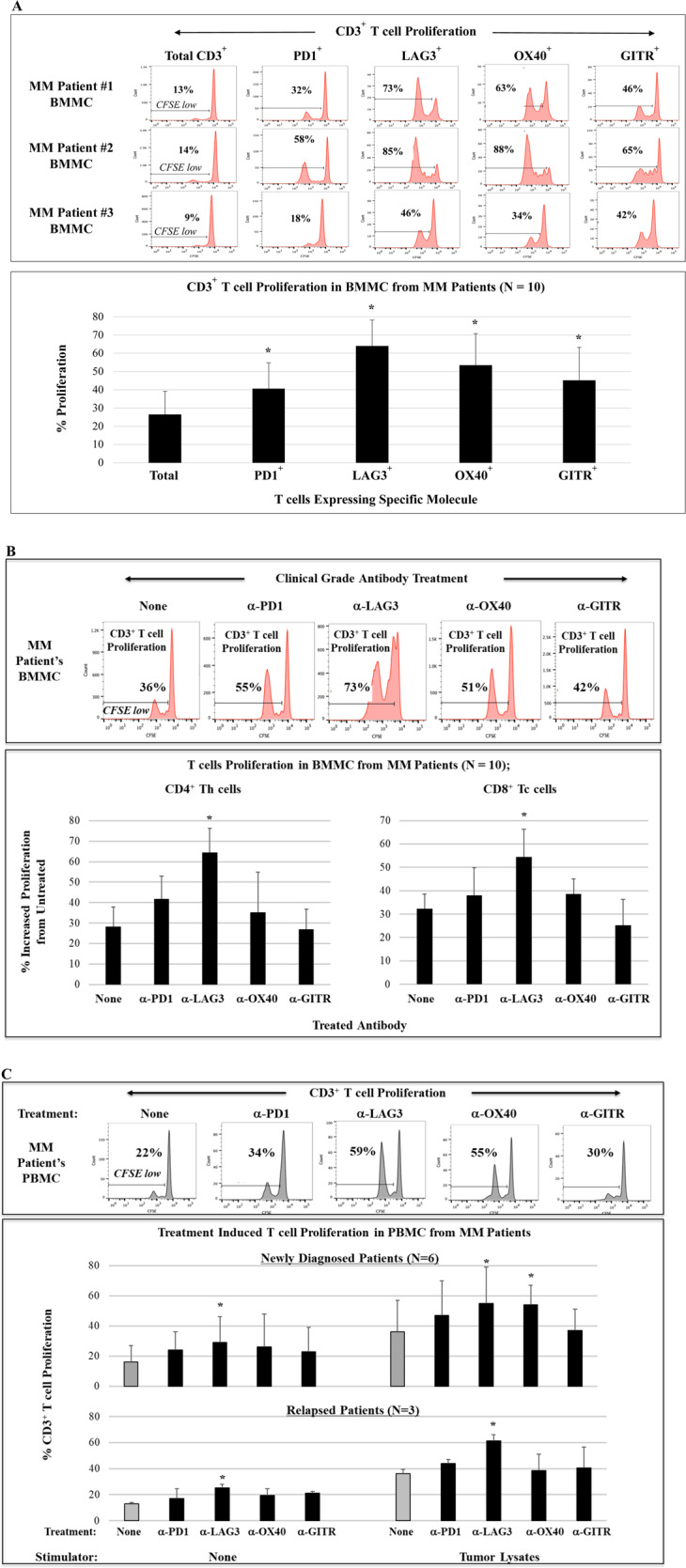
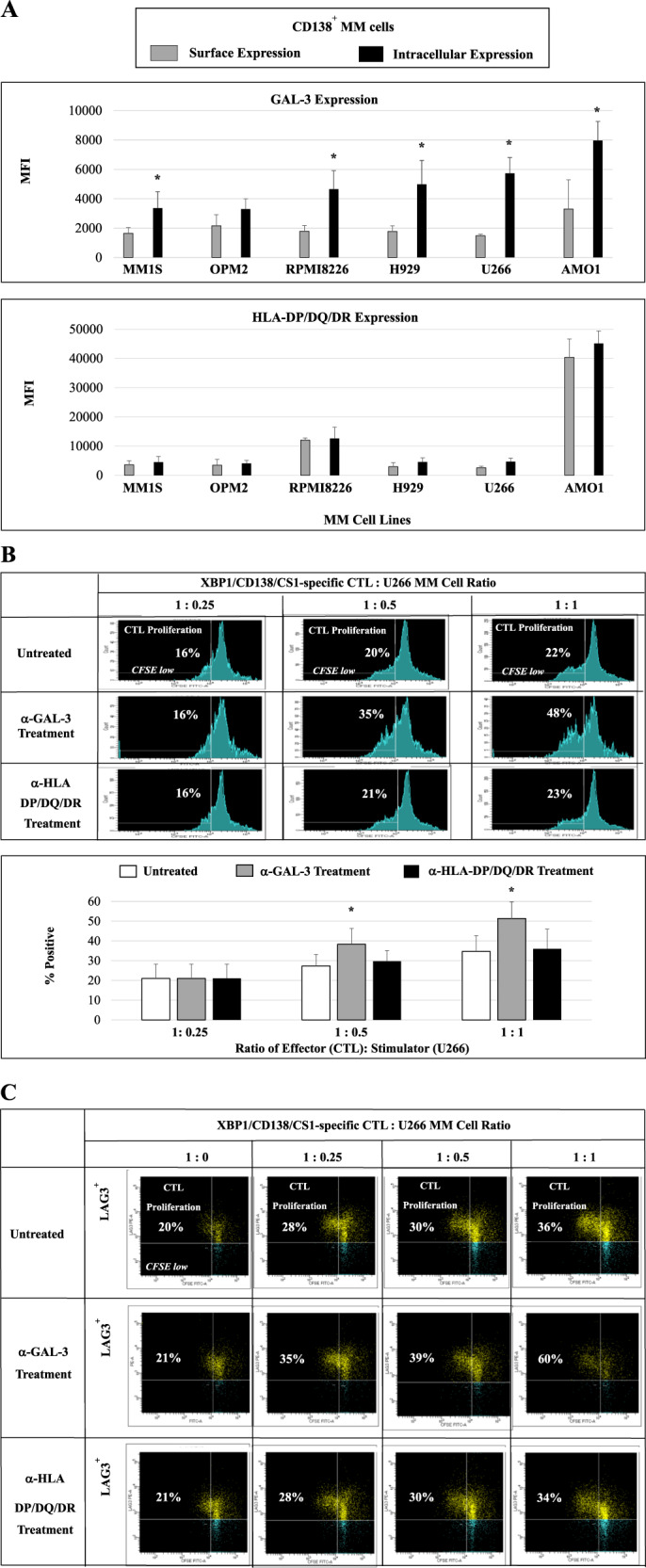
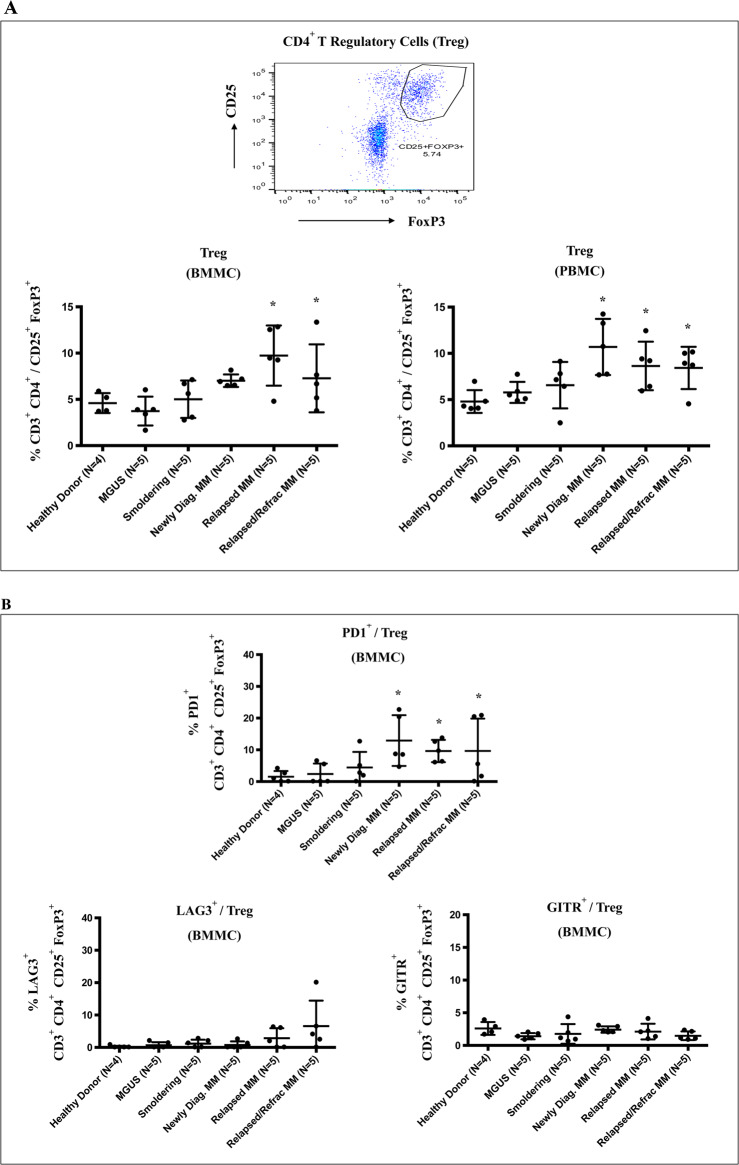
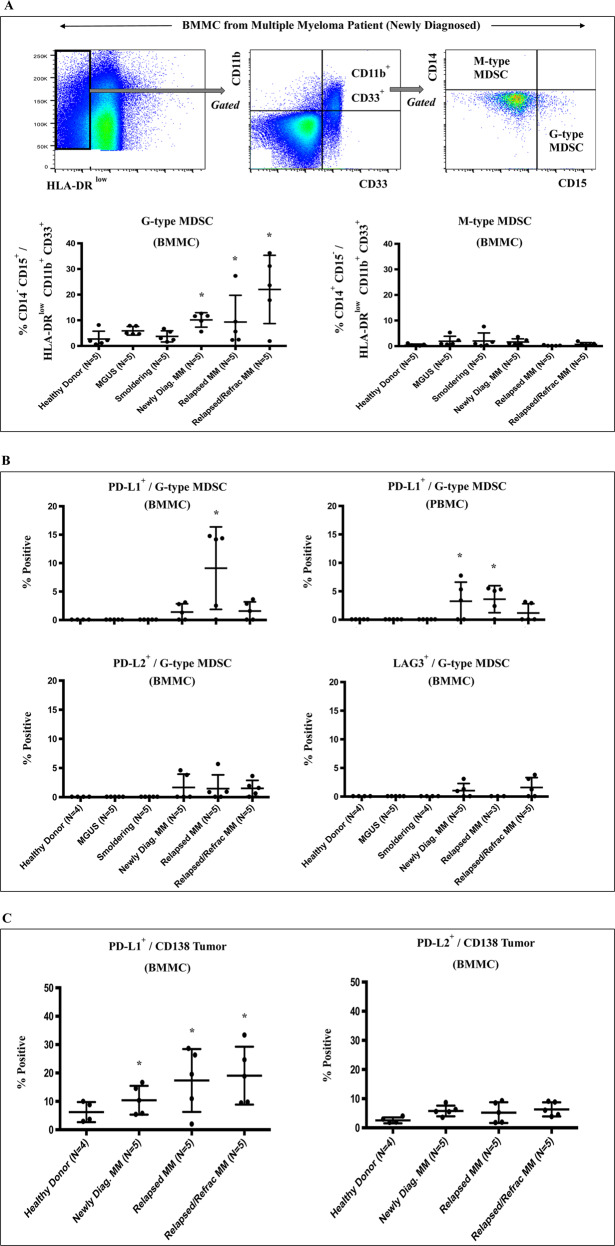
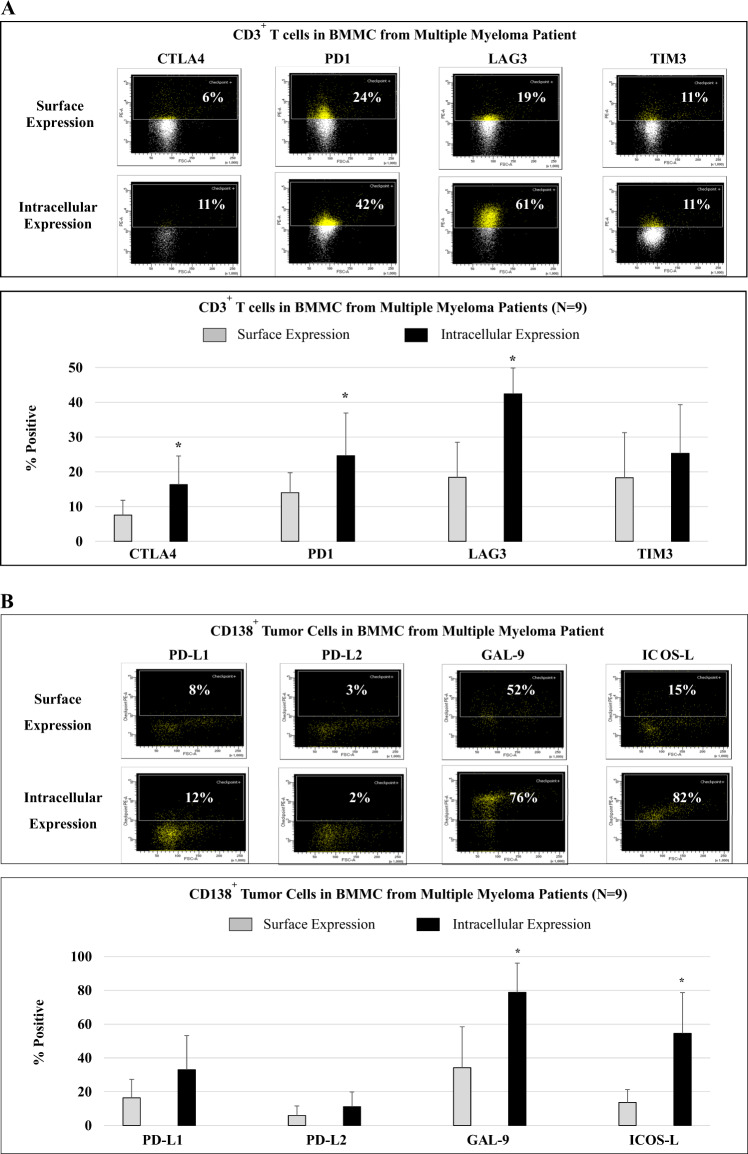
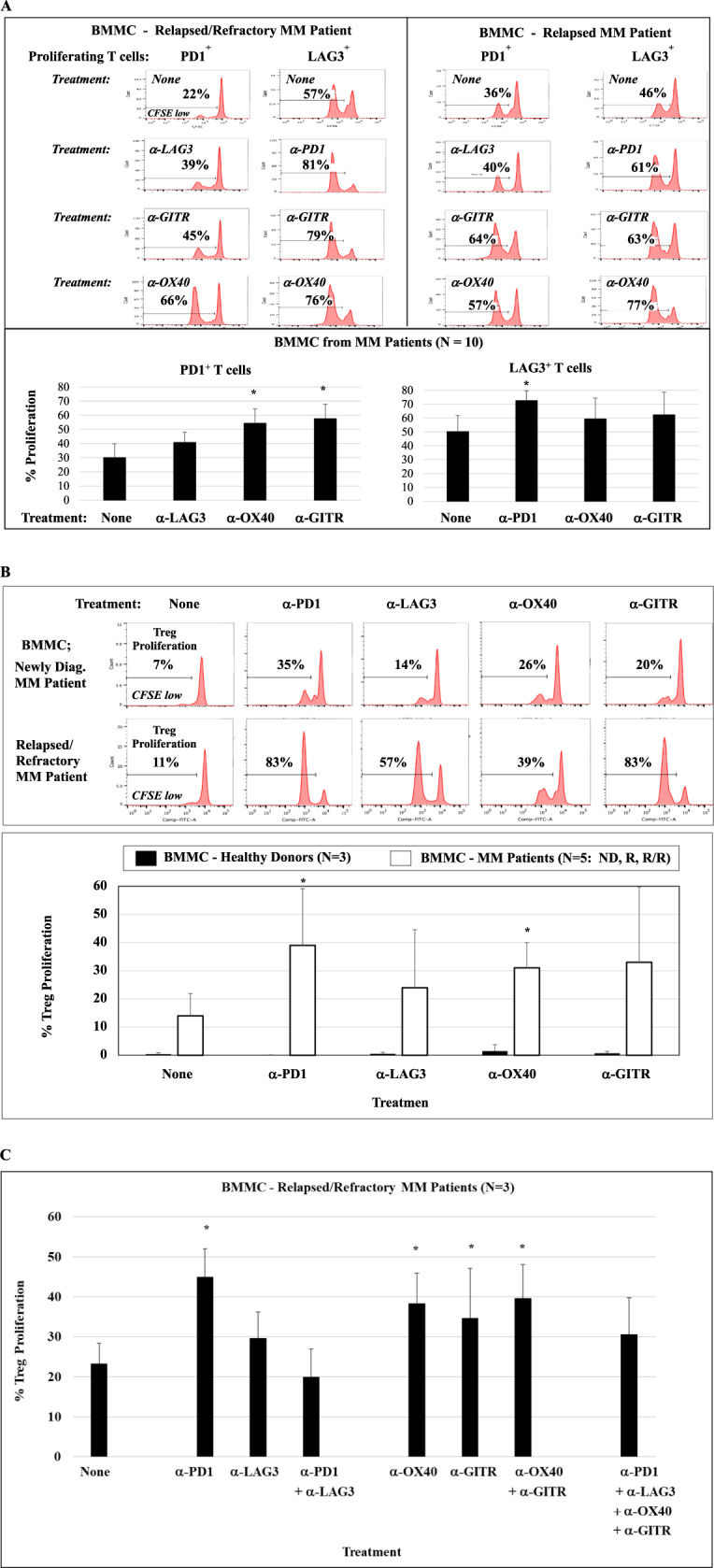
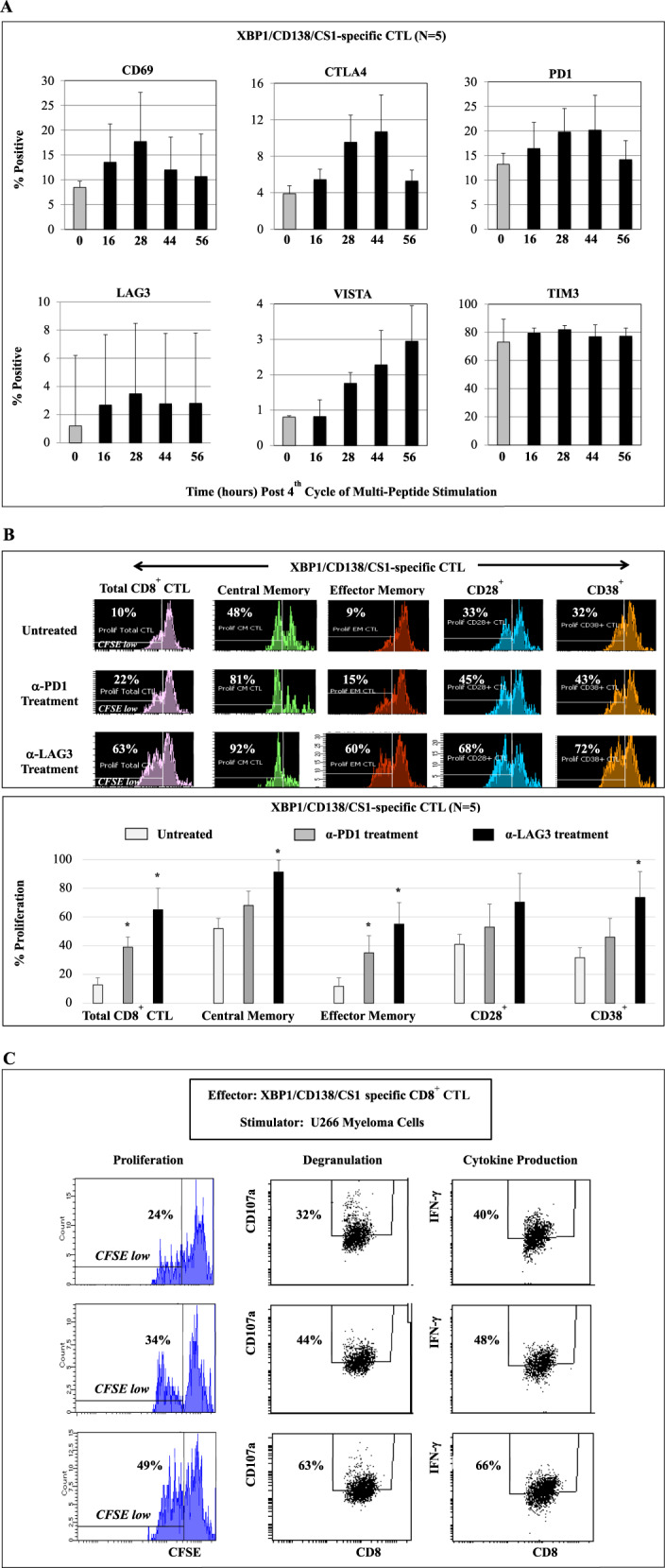
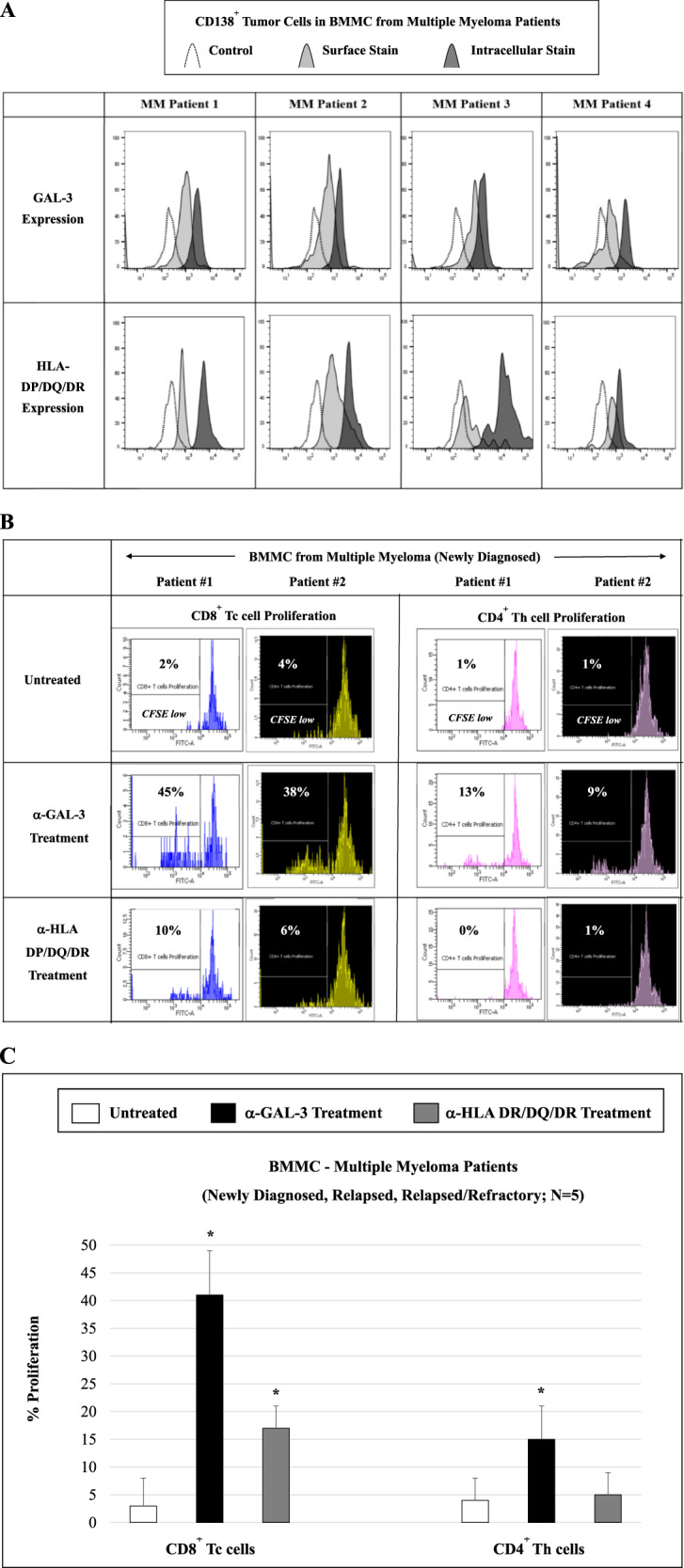
Immune profiling in patients with monoclonal gammopathy of undetermined significance (MGUS), smoldering multiple myeloma (SMM), and multiple myeloma (MM) provides the framework for developing novel immunotherapeutic strategies. Here, we demonstrate decreased CD4 Th cells, increased Treg and G-type MDSC, and upregulation of immune checkpoints on effector/regulatory and CD138 cells in MM patients, compared MGUS/SMM patients or healthy individuals. Among the checkpoints profiled, LAG3 was most highly expressed on proliferating CD4 Th and CD8 Tc cells in MM patients BMMC and PBMC. Treatment with antibody targeting LAG3 significantly enhanced T cells proliferation and activities against MM. XBP1/CD138/CS1-specific CTL generated in vitro displayed anti-MM activity, which was further enhanced following anti-LAG3 treatment, within the antigen-specific memory T cells. Treg and G-type MDSC weakly express LAG3 and were minimally impacted by anti-LAG3. CD138 MM cells express GAL-3, a ligand for LAG3, and anti-GAL-3 treatment increased MM-specific responses, as observed for anti-LAG3. Finally, we demonstrate checkpoint inhibitor treatment evokes non-targeted checkpoints as a cause of resistance and propose combination therapeutic strategies to overcome this resistance. These studies identify and validate blockade of LAG3/GAL-3, alone or in combination with immune strategies including XBP1/CD138/CS1 multipeptide vaccination, to enhance anti-tumor responses and improve patient outcome in MM.
在意义未明的单克隆丙种球蛋白病(MGUS)、冒烟型多发性骨髓瘤(SMM)和多发性骨髓瘤(MM)患者中进行免疫分析为开发新型免疫治疗策略提供了框架。在这里,我们发现在 MM 患者中,与 MGUS/SMM 患者或健康个体相比,CD4 Th 细胞减少,Treg 和 G 型 MDSC 增加,效应/调节和 CD138 细胞上的免疫检查点上调。在分析的检查点中,LAG3 在 MM 患者的 BMMC 和 PBMC 中增殖的 CD4 Th 和 CD8 Tc 细胞上表达最高。用靶向 LAG3 的抗体治疗可显著增强 T 细胞增殖和对 MM 的活性。在体外产生的 XBP1/CD138/CS1 特异性 CTL 具有抗 MM 活性,在用抗 LAG3 治疗后进一步增强,在抗原特异性记忆 T 细胞内。Treg 和 G 型 MDSC 弱表达 LAG3,受抗 LAG3 影响最小。CD138 MM 细胞表达 LAG3 的配体 GAL-3,抗 GAL-3 治疗可增强 MM 特异性反应,如抗 LAG3 治疗一样。最后,我们证明检查点抑制剂治疗会引发非靶向检查点作为耐药的原因,并提出联合治疗策略以克服这种耐药性。这些研究确定并验证了 LAG3/GAL-3 的阻断,单独或与包括 XBP1/CD138/CS1 多肽疫苗接种在内的免疫策略联合使用,以增强抗肿瘤反应并改善 MM 患者的预后。