Charles Perkins Centre, University of Sydney School of Dentistry, Faculty of Medicine and Health, The University of Sydney, Sydney, NSW, Australia.
The Charles Perkins Centre, School of Medical Sciences, Faculty of Medicine and Health, The University of Sydney, Sydney, NSW, Australia.
Sci Rep. 2021 Jul 22;11(1):14993. doi: 10.1038/s41598-021-94418-8.
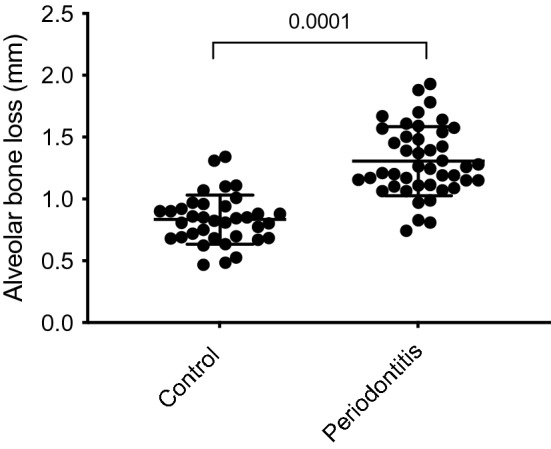
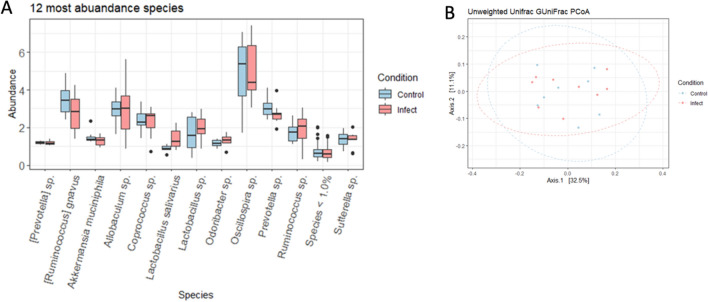
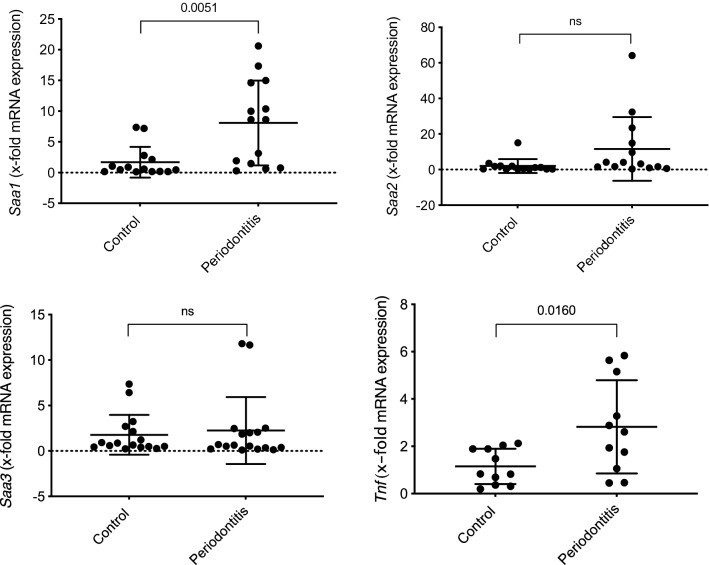
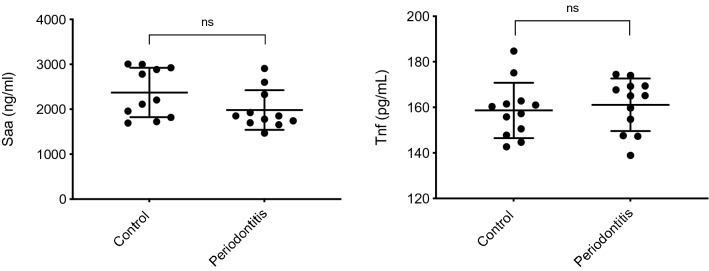
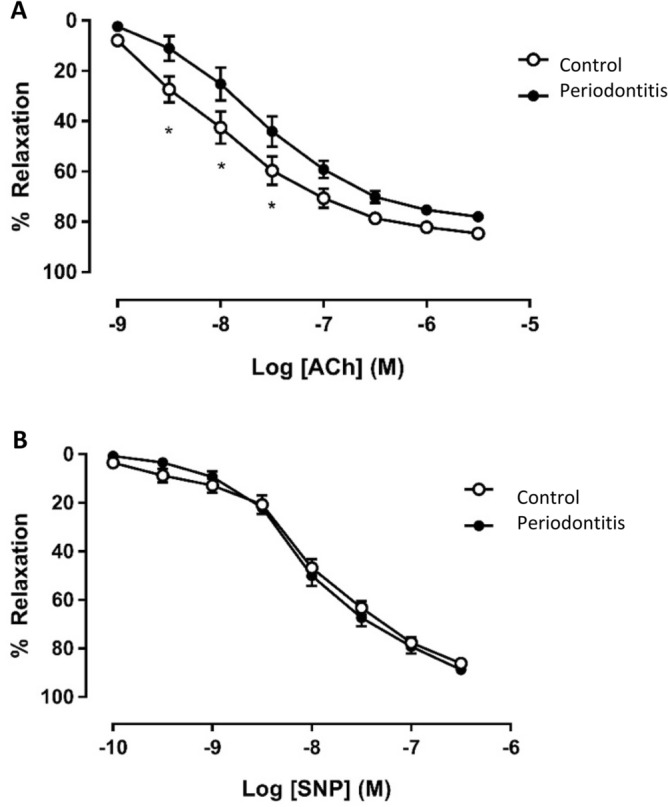
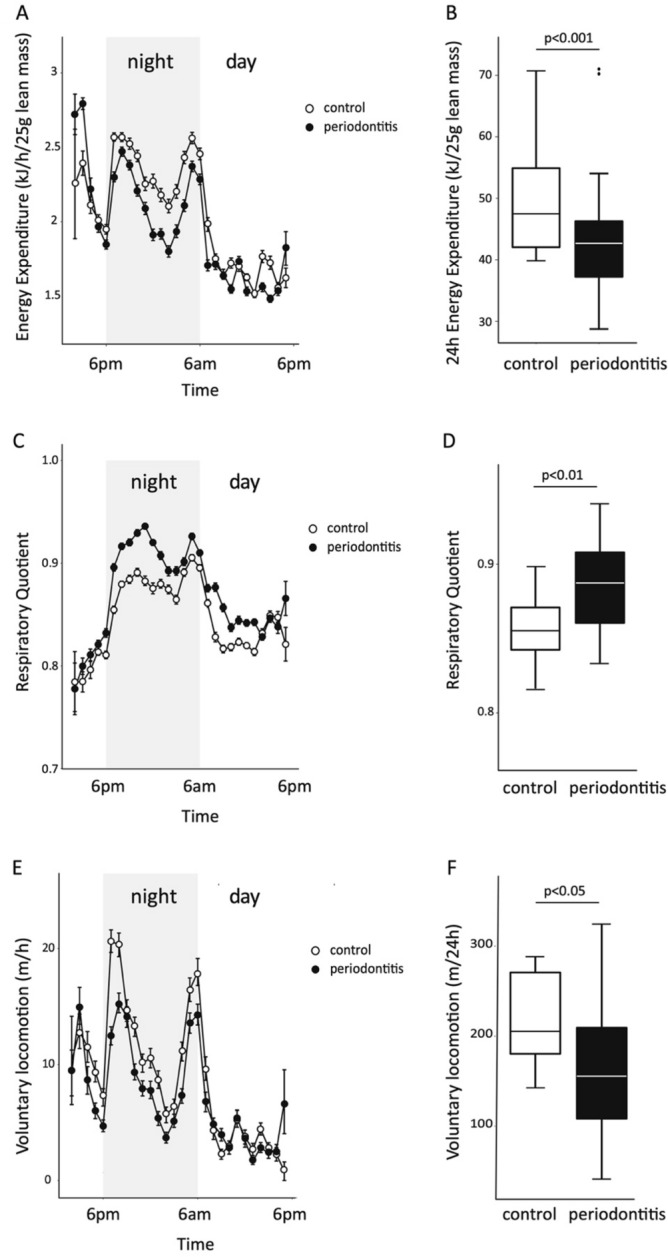
The treatment of periodontitis has numerous positive effects on established chronic health conditions, including cardiovascular disease and diabetes. However, ethical considerations do limit the establishment of human trials to investigate whether periodontitis promotes the early stages of chronic conditions. Therefore, the aim of this study was to investigate whether periodontitis induces endothelial dysfunction in hyperlipidemic apolipoprotein E gene-deficient (ApoE) mice. Forty-five 8-week-old ApoE mice were challenged by oral lavage with Porphyromonas gingivalis and Streptococcus gordonii for 4 weeks. A subgroup of animals (n = 15-17/group) was placed in a metabolic chamber immediately before euthanasia at 4 weeks to measure VO/CO concentrations and voluntary locomotion. In infected and control animals alveolar bone levels were measured by x-ray imaging and endothelial function was determined by measuring endothelial-dependent vasorelaxation of aortic rings. The mRNA expression levels of serum amyloid A and tumor necrosis factor were determined in liver tissues by qRT PCR and protein concentrations in serum by ELISA. Caecal contents were analysed by sequencing to determine changes to the gut microbiota to investigate linkages between microbiome and systemic changes. The results showed that oral lavage of P. gingivalis and S. gordonii for 4 weeks, initiated periodontitis in ApoE mice, similar to the human situation. The oral inflammation was accompanied by a significant increase in mRNA expression of pro-inflammatory mediators serum amyloid A1 and tumor necrosis factor in the liver. Mice with periodontitis also exhibited impaired endothelial-dependent vasorelaxation responses to acetylcholine. This systemic response was connected to increased energy expenditure, locomotion and respiratory quotient. No differences were detected in caecal microbiota between the infected and control animals. Overall, this is the first report that provide evidence that periodontitis induces endothelial dysfunction in mice. Other systemic responses observed in response to the local reaction need further investigation. The study suggests that early prevention of periodontitis may help limit the early stages of endothelial dysfunction that is linked to atherogenesis in humans.
牙周炎的治疗对已确立的慢性健康状况有许多积极影响,包括心血管疾病和糖尿病。然而,伦理考虑确实限制了建立人类试验以研究牙周炎是否促进慢性疾病的早期阶段。因此,本研究旨在探讨牙周炎是否会在高脂血症载脂蛋白 E 基因缺陷 (ApoE) 小鼠中诱导内皮功能障碍。将 45 只 8 周龄的 ApoE 小鼠通过口腔灌洗用牙龈卟啉单胞菌和戈登链球菌挑战 4 周。在 4 周时安乐死之前,一小部分动物(n = 15-17/组)被放入代谢室,以测量 VO/CO 浓度和自愿运动。通过 X 射线成像测量感染和对照动物的牙槽骨水平,并通过测量主动脉环内皮依赖性血管舒张来确定内皮功能。通过 qRT-PCR 确定肝组织中血清淀粉样蛋白 A 和肿瘤坏死因子的 mRNA 表达水平,并通过 ELISA 测定血清蛋白浓度。通过测序分析盲肠内容物以确定肠道微生物组的变化,以研究微生物组与全身变化之间的联系。结果表明,用牙龈卟啉单胞菌和戈登链球菌口腔灌洗 4 周,在 ApoE 小鼠中引发牙周炎,类似于人类情况。口腔炎症伴随着肝脏中促炎介质血清淀粉样蛋白 A1 和肿瘤坏死因子的 mRNA 表达显著增加。患有牙周炎的小鼠也表现出对乙酰胆碱的内皮依赖性血管舒张反应受损。这种全身反应与能量消耗增加、运动和呼吸商有关。感染和对照动物之间盲肠微生物群没有差异。总的来说,这是第一项证明牙周炎在小鼠中诱导内皮功能障碍的报告。对局部反应观察到的其他全身反应需要进一步研究。该研究表明,早期预防牙周炎可能有助于限制与人类动脉粥样形成相关的内皮功能障碍的早期阶段。