Zhou Yanan, Chen Shubao, Liao Yanhui, Wu Qiuxia, Ma Yuejiao, Wang Dongfang, Wang Xuyi, Li Manyun, Wang Yunfei, Wang Yingying, Liu Yueheng, Liu Tieqiao, Yang Winson Fu Zun
Department of Psychiatry, National Clinical Research Center for Mental Disorders, The Second Xiangya Hospital of Central South University, Changsha, China.
Department of Psychiatry, Hunan Brain Hospital, Changsha, China.
Front Public Health. 2021 Jul 6;9:646486. doi: 10.3389/fpubh.2021.646486. eCollection 2021.
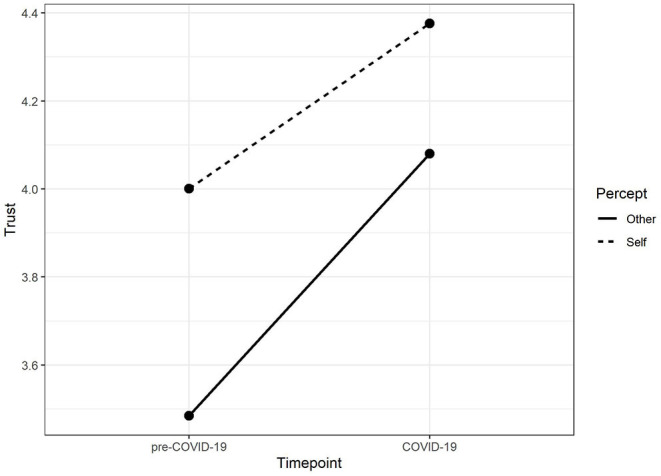
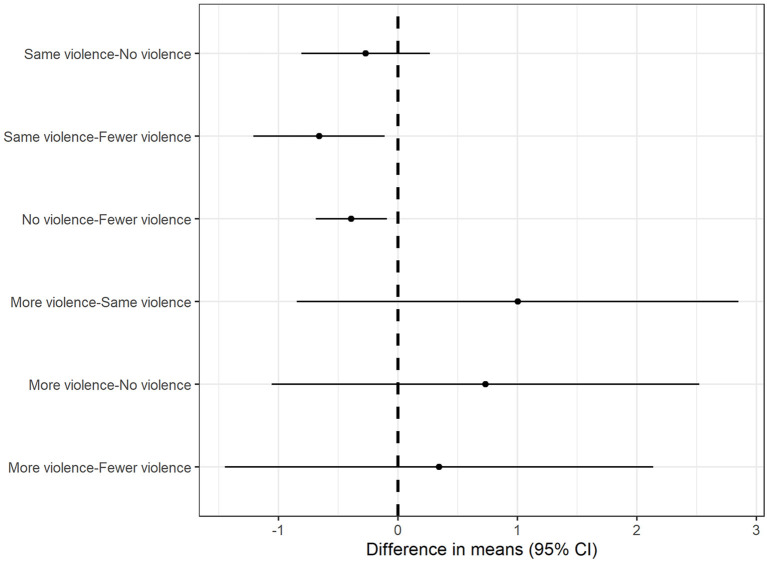
The doctor-patient relationship (DPR) is essential in the process of medical consultations and treatments. Poor DPR may lead to poor medical outcomes, medical violence against doctors, and a negative perception of the healthcare system. Little is known about how DPR is affected during this novel coronavirus disease 2019 (COVID-19) pandemic. This cross-sectional study aimed to explore the DPR during the COVID-19 pandemic. There were 1,903 participants in China (95% response rate) who were recruited during the pandemic online convenience and snowball sampling. Several questionnaires were used to evaluate participants' attitudes toward DPR, including the Patient-Doctor Relationship Questionnaire (PDRQ-9), Chinese Wake Forest Physician Trust Scale (C-WFPTS), a survey on medical violence against doctors, factors that affect and improve DPR, and general trust in medical services. Results revealed that DPR improved, and doctor-patient trust increased compared to participants' retrospective attitude before the pandemic. In addition, patients' violence against doctors decreased during the pandemic. Better doctor-patient trust and lower violence toward doctors are related to better DPR. Furthermore, we found that the main factors that could improve DPR include communication between doctors and patients, medical technology and services, and medical knowledge for patients. This study helped to better understand DPR in China, which may contribute to future health policies and medical practices in order to improve DPR and doctor-patient trust.
医患关系在医疗咨询和治疗过程中至关重要。不良的医患关系可能导致不良的医疗结果、针对医生的医疗暴力以及对医疗系统的负面看法。对于在2019年新型冠状病毒病(COVID-19)大流行期间医患关系如何受到影响,人们知之甚少。这项横断面研究旨在探讨COVID-19大流行期间的医患关系。在中国有1903名参与者(回复率为95%),他们是在大流行期间通过网络便利抽样和滚雪球抽样招募的。使用了几份问卷来评估参与者对医患关系的态度,包括医患关系问卷(PDRQ-9)、中国维克森林医生信任量表(C-WFPTS)、一项针对医生的医疗暴力调查、影响和改善医患关系的因素以及对医疗服务的总体信任。结果显示,与大流行前参与者的回顾性态度相比,医患关系得到改善,医患信任增加。此外,在大流行期间患者对医生的暴力行为有所减少。更好的医患信任和更低的对医生的暴力行为与更好的医患关系相关。此外,我们发现可以改善医患关系的主要因素包括医患沟通、医疗技术和服务以及患者的医学知识。这项研究有助于更好地了解中国的医患关系,这可能有助于未来的卫生政策和医疗实践,以改善医患关系和医患信任。