The First Department of Oral and Maxillofacial Surgery, Graduate School of Dentistry, Osaka University, Suita, Osaka 565‑0871, Japan.
Department of Biochemistry, Graduate School of Medical and Dental Sciences, Tokyo Medical and Dental University (TMDU), Bunkyo, Tokyo 113‑8549, Japan.
Oncol Rep. 2021 Sep;46(3). doi: 10.3892/or.2021.8148. Epub 2021 Jul 23.
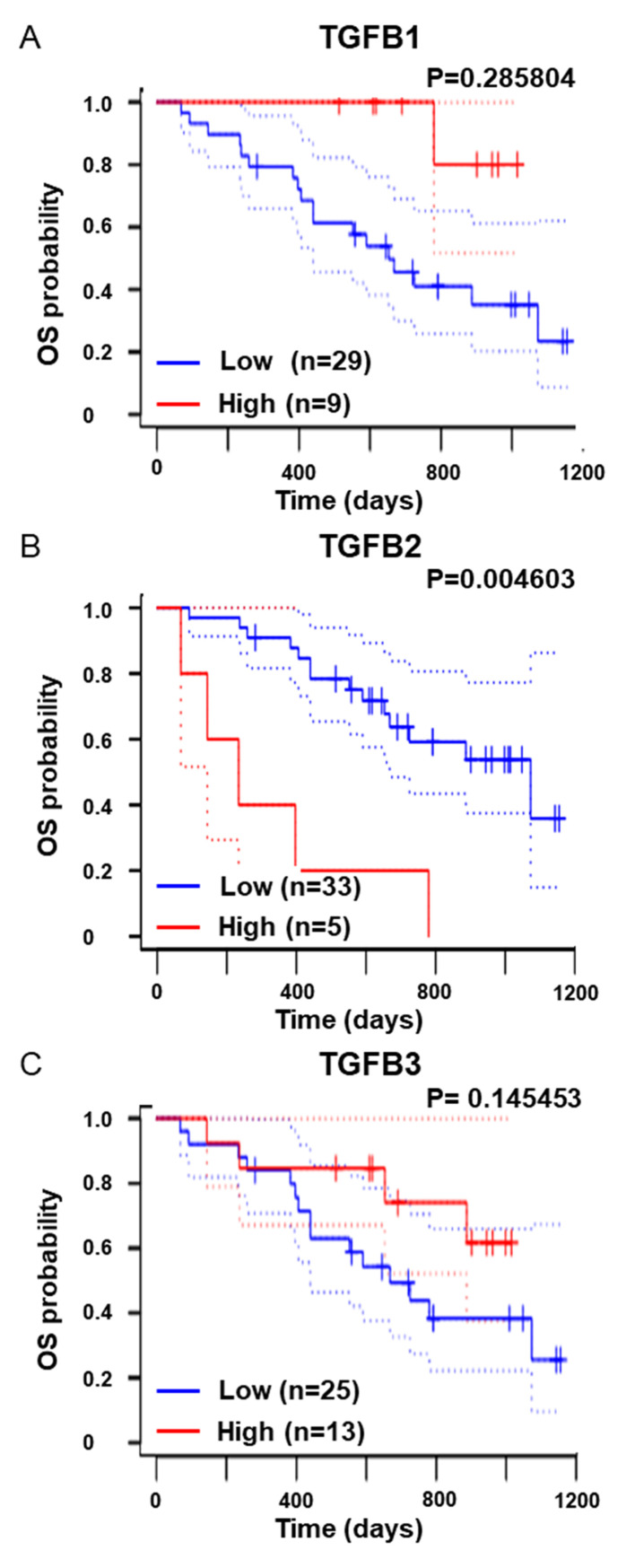
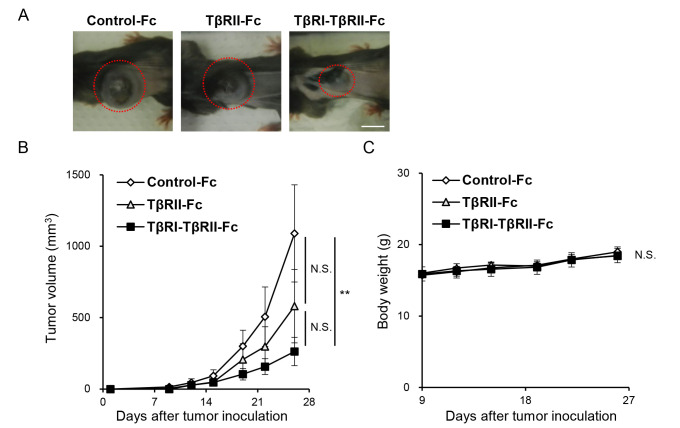
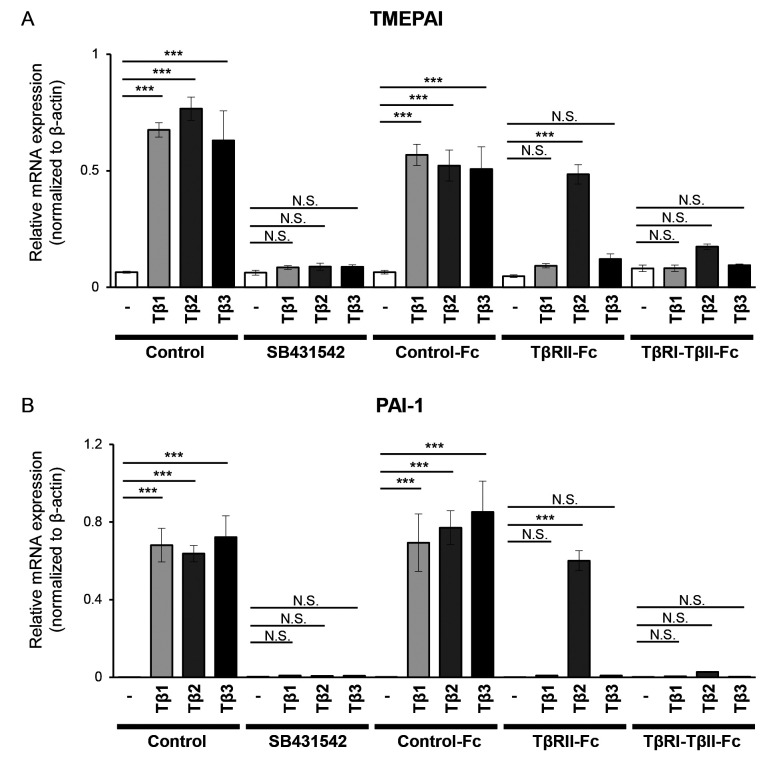
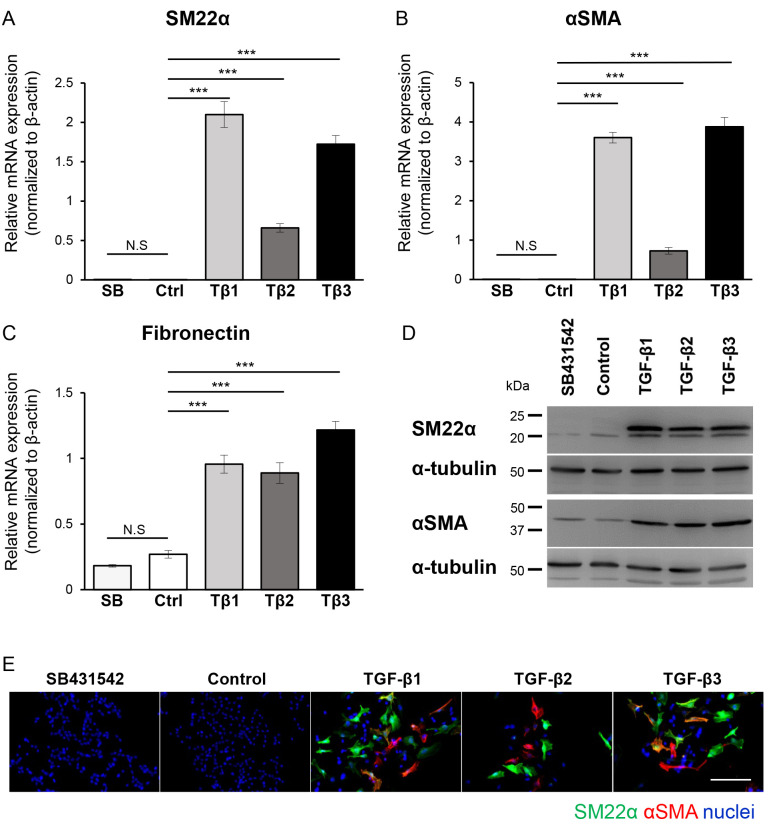
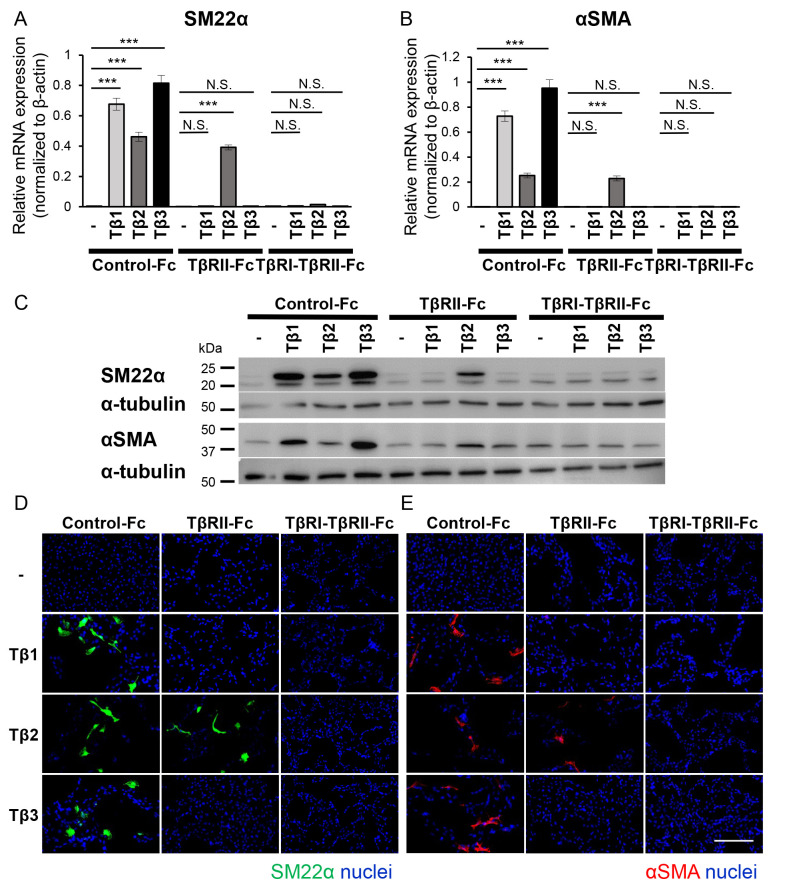
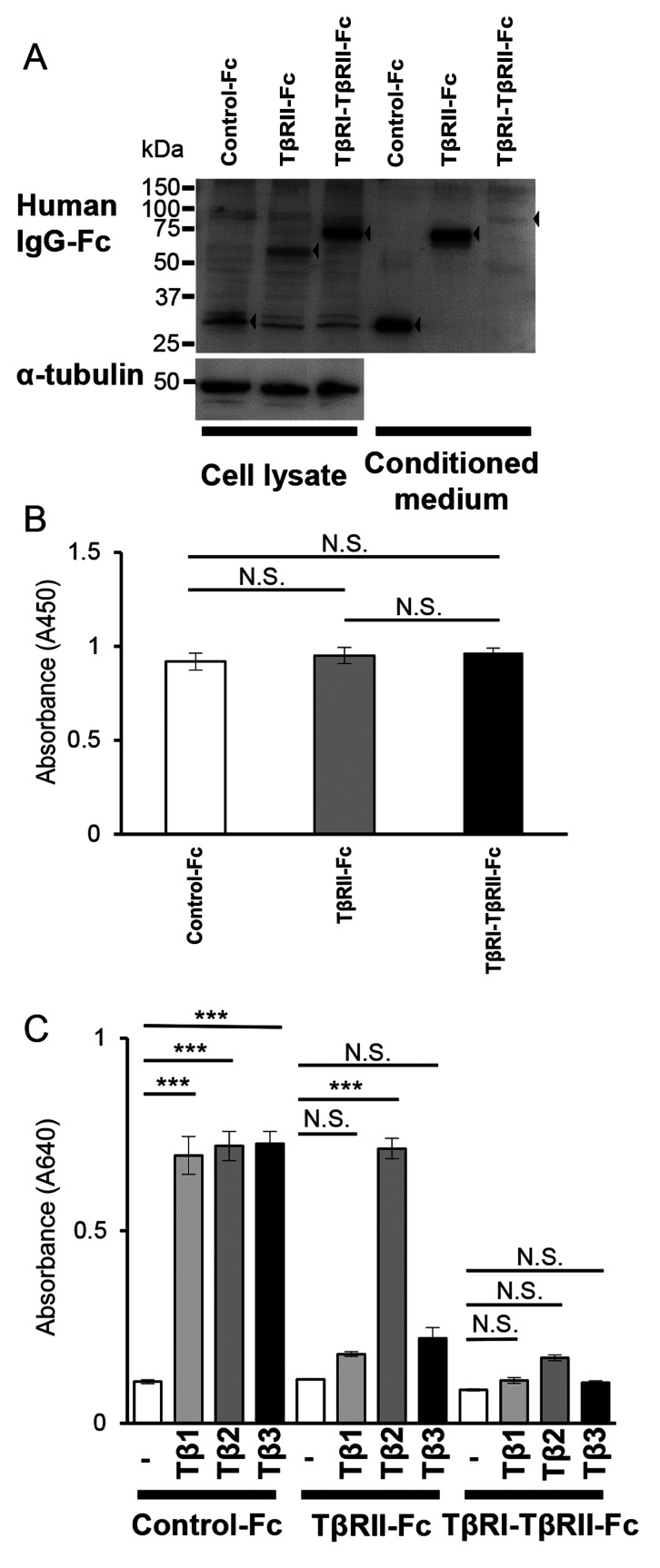
Melanoma is an aggressive type of cancer originating from the skin that arises from neoplastic changes in melanocytes. Transforming growth factor‑β (TGF‑β) is a pleiotropic cytokine and is known to contribute to melanoma progression by inducing the epithelial‑mesenchymal transition (EMT) program and creating an environment that favors tumor progression. There are three TGF‑β isoforms, TGF‑β1, TGF‑β2 and TGF‑β3, all of which engage in pro‑tumorigenic activities by activating SMAD signaling pathways. All TGF‑β isoforms activate signaling pathways by binding to their TGF‑β type I (TβRI) and type II (TβRII) receptors. Thus, effective targeting of all TGF‑β isoforms is of great importance. In the present study, chimeric proteins comprising the extracellular domains of TβRI and/or TβRII fused with the Fc portion of human immunoglobulin (IgG) were validated in the melanoma context. The Fc chimeric receptor comprising both TβRI and TβRII (TβRI‑TβRII‑Fc) effectively trapped all TGF‑β isoforms. Conversely, TβRII‑Fc chimeric receptor, that comprises TβRII only, was able to interact with TGF‑β1 and TGF‑β3 isoforms, but not with TGF‑β2, which is a poor prognostic factor for melanoma patients. Accordingly, it was revealed that TβRI‑TβRII‑Fc chimeric receptor suppressed the EMT program in melanoma cells induced by any of the three TGF‑β isoforms, as revealed by decreased expression of mesenchymal markers. Conversely, TβRII‑Fc chimeric receptor inhibited the EMT program induced by TGF‑β1 and TGF‑β3. In addition, it was established that tumor growth in subcutaneous mouse melanoma was inhibited by TβRI‑TβRII‑Fc chimeric receptor indicating that Fc chimeric receptor could be applied to modify the tumor microenvironment (TME) of melanoma. Therefore, designing of Fc chimeric receptors targeting TGF‑β signals that affect various components of the TME may result in the development of effective anti‑melanoma agents.
黑素瘤是一种源自皮肤的侵袭性癌症,起源于黑素细胞的肿瘤性变化。转化生长因子-β(TGF-β)是一种多效细胞因子,通过诱导上皮-间充质转化(EMT)程序并创造有利于肿瘤进展的环境,已知有助于黑素瘤的进展。有三种 TGF-β 同工型,TGF-β1、TGF-β2 和 TGF-β3,它们都通过激活 SMAD 信号通路来发挥促肿瘤生成作用。所有 TGF-β 同工型通过与 TGF-β 型 I(TβRI)和 II(TβRII)受体结合来激活信号通路。因此,有效靶向所有 TGF-β 同工型非常重要。在本研究中,在黑素瘤背景下验证了包含 TβRI 和/或 TβRII 细胞外结构域与人类免疫球蛋白(IgG)Fc 部分融合的嵌合蛋白。包含 TβRI 和 TβRII 的 Fc 嵌合受体(TβRI-TβRII-Fc)有效地捕获了所有 TGF-β 同工型。相反,仅包含 TβRII 的 TβRII-Fc 嵌合受体能够与 TGF-β1 和 TGF-β3 同工型相互作用,但不能与 TGF-β2 相互作用,TGF-β2 是黑素瘤患者的预后不良因素。因此,研究结果表明,TβRI-TβRII-Fc 嵌合受体抑制了三种 TGF-β 同工型诱导的黑素瘤细胞 EMT 程序,表现为间充质标志物表达降低。相反,TβRII-Fc 嵌合受体抑制了 TGF-β1 和 TGF-β3 诱导的 EMT 程序。此外,还证实 TβRI-TβRII-Fc 嵌合受体抑制了皮下小鼠黑素瘤的肿瘤生长,表明 Fc 嵌合受体可用于修饰黑素瘤的肿瘤微环境(TME)。因此,设计针对影响 TME 各种成分的 TGF-β 信号的 Fc 嵌合受体可能会开发出有效的抗黑素瘤药物。