Wan Mohd Tajuddin Wan Nur Baitty, Abas Faridah, Othman Iekhsan, Naidu Rakesh
Jeffrey Cheah School of Medicine and Health Sciences, Monash University Malaysia, Jalan Lagoon Selatan, Bandar Sunway 47500, Selangor Darul Ehsan, Malaysia.
Laboratory of Natural Products, Faculty of Science, Universiti Putra Malaysia, UPM, Serdang 43400, Malaysia.
Int J Mol Sci. 2021 Jul 10;22(14):7424. doi: 10.3390/ijms22147424.
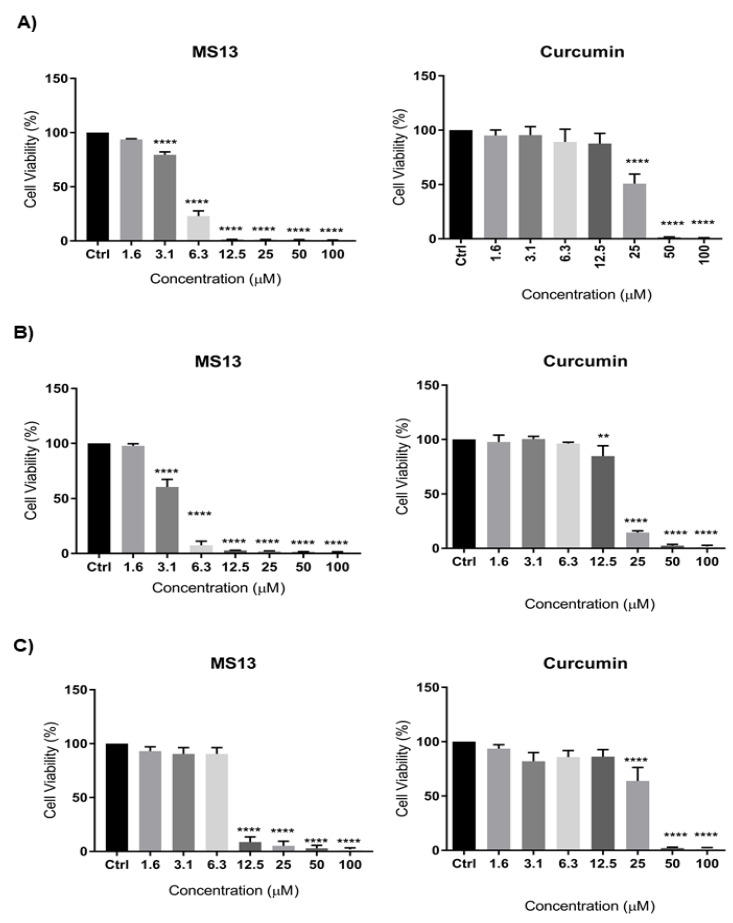
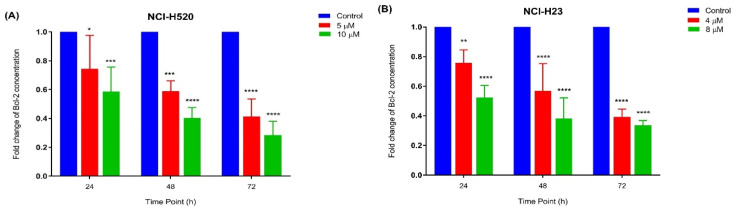
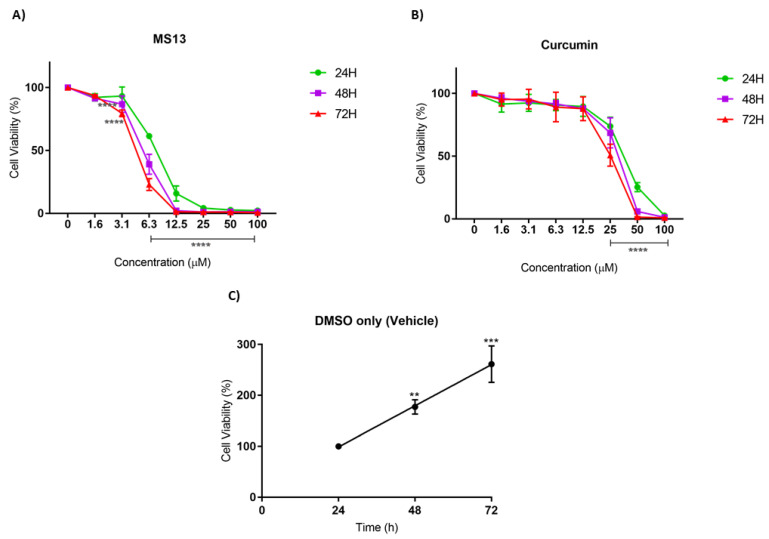
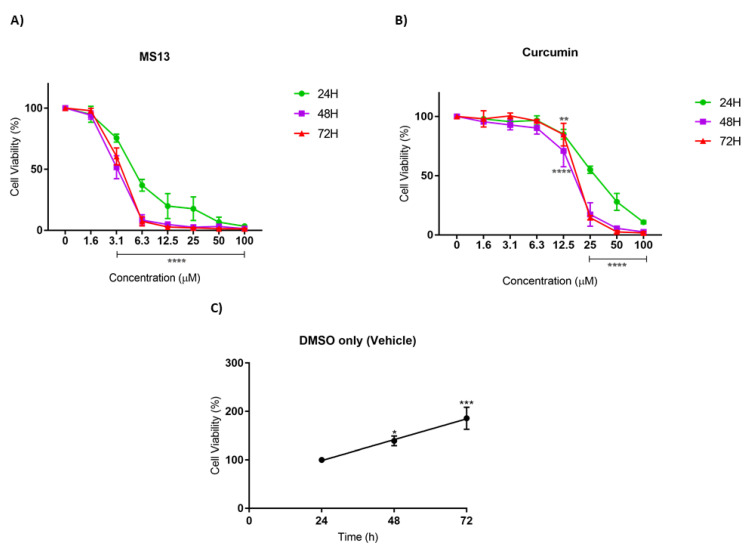
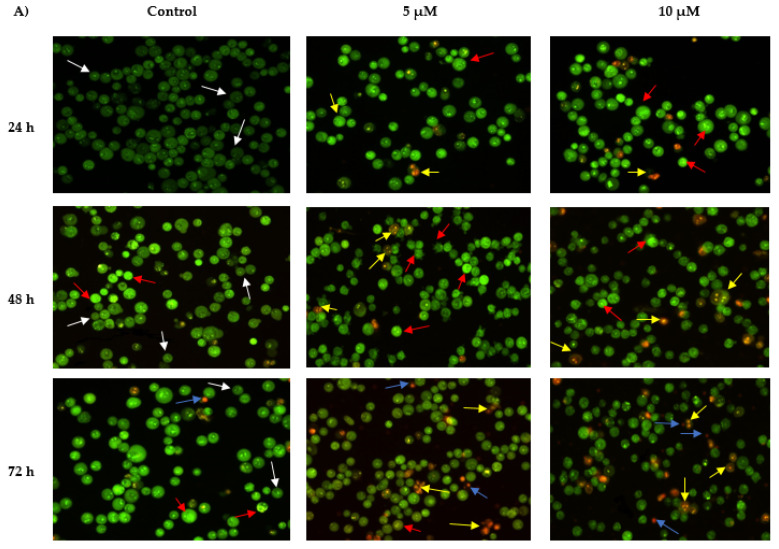
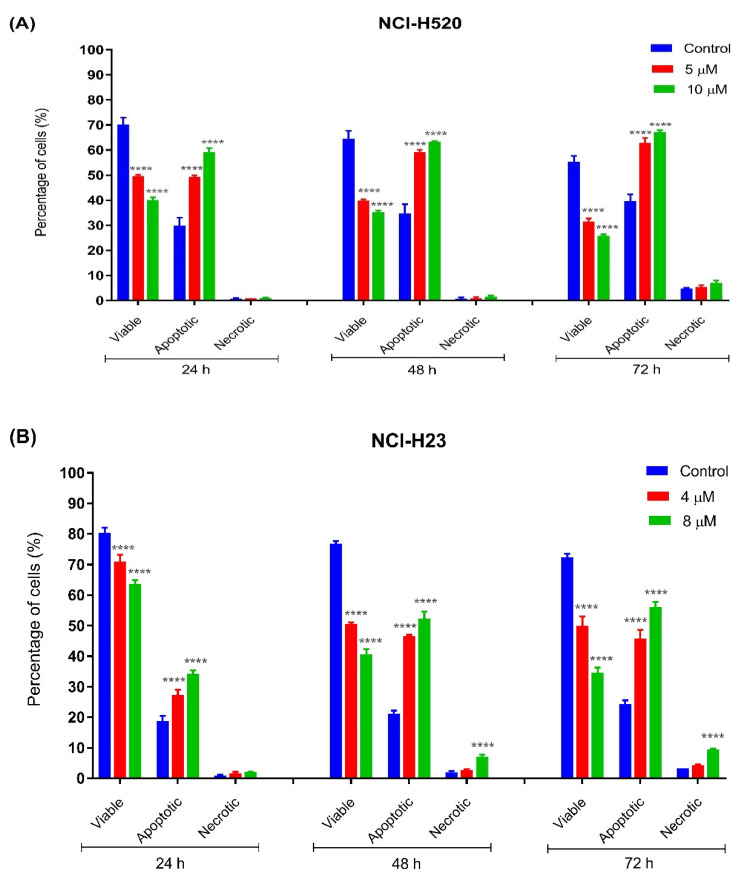
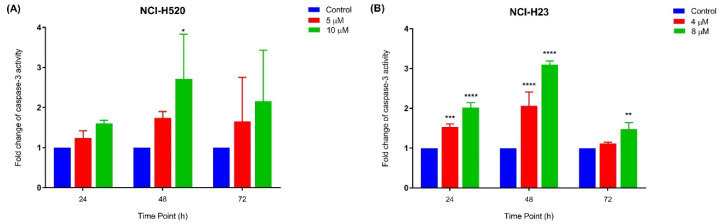
Diarylpentanoid (DAP), an analog that was structurally modified from a naturally occurring curcumin, has shown to enhance anticancer efficacy compared to its parent compound in various cancers. This study aims to determine the cytotoxicity, antiproliferative, and apoptotic activity of diarylpentanoid MS13 on two subtypes of non-small cell lung cancer (NSCLC) cells: squamous cell carcinoma (NCI-H520) and adenocarcinoma (NCI-H23). Gene expression analysis was performed using Nanostring PanCancer Pathways Panel to determine significant signaling pathways and targeted genes in these treated cells. Cytotoxicity screening revealed that MS13 exhibited greater inhibitory effect in NCI-H520 and NCI-H23 cells compared to curcumin. MS13 induced anti-proliferative activity in both cells in a dose- and time-dependent manner. Morphological analysis revealed that a significant number of MS13-treated cells exhibited apoptosis. A significant increase in caspase-3 activity and decrease in Bcl-2 protein concentration was noted in both MS13-treated cells in a time- and dose-dependent manner. A total of 77 and 47 differential expressed genes (DEGs) were regulated in MS13 treated-NCI-H520 and NCI-H23 cells, respectively. Among the DEGs, 22 were mutually expressed in both NCI-H520 and NCI-H23 cells in response to MS13 treatment. The top DEGs modulated by MS13 in NCI-H520-DUSP4, CDKN1A, GADD45G, NGFR, and EPHA2-and NCI-H23 cells-HGF, MET, COL5A2, MCM7, and GNG4-were highly associated with PI3K, cell cycle-apoptosis, and MAPK signaling pathways. In conclusion, MS13 may induce antiproliferation and apoptosis activity in squamous cell carcinoma and adenocarcinoma of NSCLC cells by modulating DEGs associated with PI3K-AKT, cell cycle-apoptosis, and MAPK pathways. Therefore, our present findings could provide an insight into the anticancer activity of MS13 and merits further investigation as a potential anticancer agent for NSCLC cancer therapy.
二芳基戊烷类化合物(DAP)是一种从天然姜黄素结构修饰而来的类似物,在多种癌症中,与母体化合物相比,它已显示出增强的抗癌功效。本研究旨在确定二芳基戊烷类化合物MS13对非小细胞肺癌(NSCLC)两种亚型细胞的细胞毒性、抗增殖和凋亡活性:鳞状细胞癌(NCI-H520)和腺癌(NCI-H23)。使用Nanostring泛癌通路分析板进行基因表达分析,以确定这些处理细胞中的重要信号通路和靶向基因。细胞毒性筛选显示,与姜黄素相比,MS13在NCI-H520和NCI-H23细胞中表现出更大的抑制作用。MS13在两种细胞中均以剂量和时间依赖性方式诱导抗增殖活性。形态学分析显示,大量经MS13处理的细胞表现出凋亡。在两种经MS13处理的细胞中,均观察到caspase-3活性显著增加,Bcl-2蛋白浓度以时间和剂量依赖性方式降低。在经MS13处理的NCI-H520和NCI-H23细胞中,分别调控了总共77个和47个差异表达基因(DEG)。在这些DEG中,有22个在NCI-H520和NCI-H23细胞中对MS13处理均有共同表达。MS13在NCI-H520细胞中调节的前几位DEG(DUSP4、CDKN1A、GADD45G、NGFR和EPHA2)以及在NCI-H23细胞中调节的前几位DEG(HGF、MET、COL5A2、MCM7和GNG4)与PI3K、细胞周期-凋亡和MAPK信号通路高度相关。总之,MS13可能通过调节与PI3K-AKT、细胞周期-凋亡和MAPK通路相关的DEG,在NSCLC细胞的鳞状细胞癌和腺癌中诱导抗增殖和凋亡活性。因此,我们目前的研究结果可以为MS13的抗癌活性提供见解,作为NSCLC癌症治疗的潜在抗癌药物值得进一步研究。