Gynecologic Cancer Center, CHA Ilsan Medical Center, CHA University College of Medicine, 1205 Jungang-ro, Ilsandong-gu, Goyang-si 10414, Korea.
Department of Obstetrics and Gynecology, Seoul National University Hospital, 101 Daehak-ro, Jongno-gu, Seoul 03080, Korea.
Int J Mol Sci. 2021 Jul 13;22(14):7484. doi: 10.3390/ijms22147484.
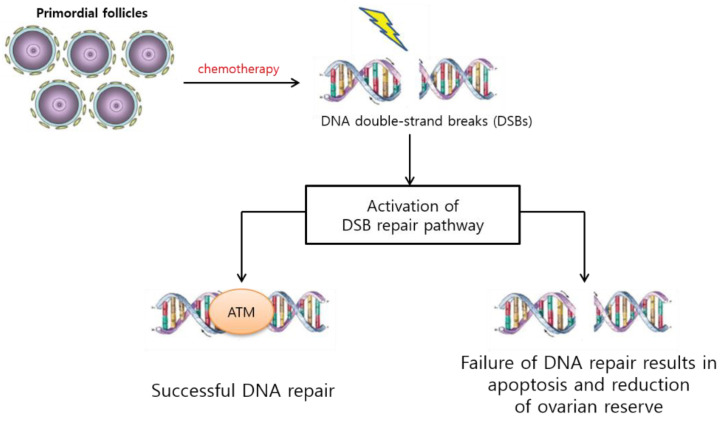
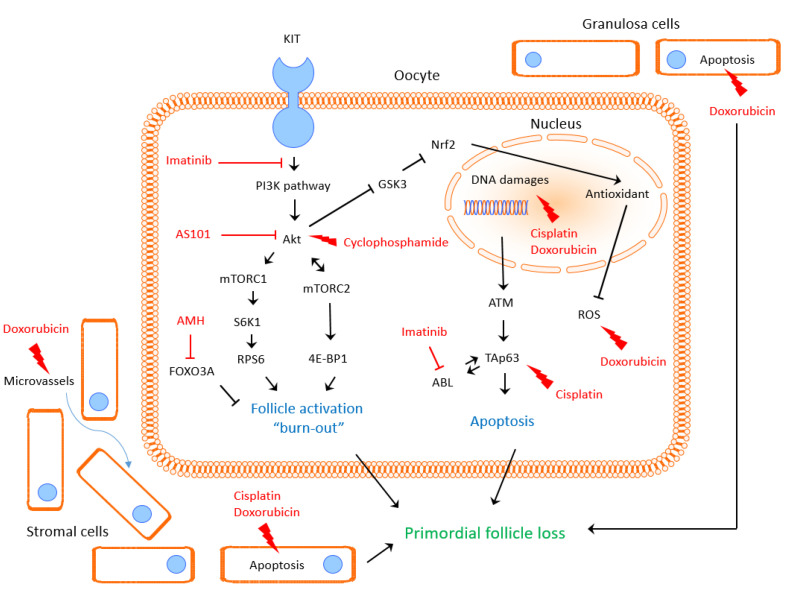
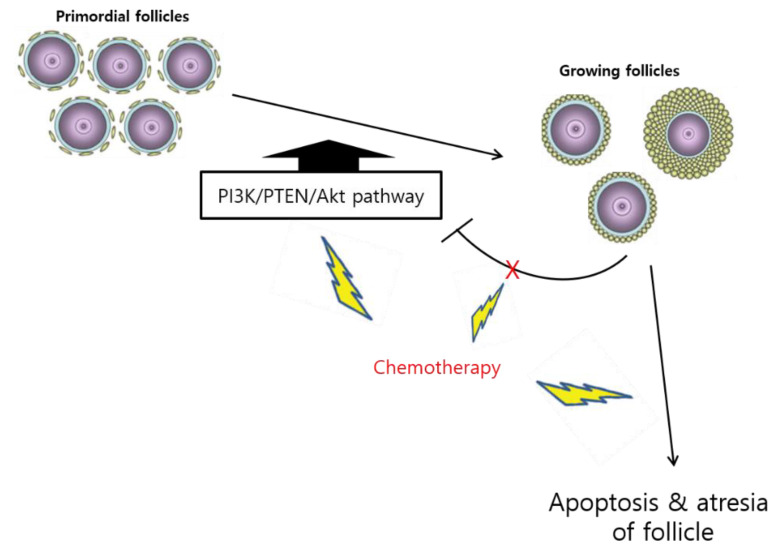
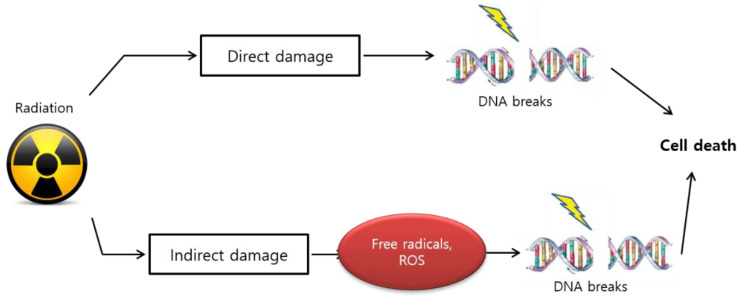
Fertility preservation is an emerging discipline, which is of substantial clinical value in the care of young patients with cancer. Chemotherapy and radiation may induce ovarian damage in prepubertal girls and young women. Although many studies have explored the mechanisms implicated in ovarian toxicity during cancer treatment, its molecular pathophysiology is not fully understood. Chemotherapy may accelerate follicular apoptosis and follicle reservoir utilization and damage the ovarian stroma via multiple molecular reactions. Oxidative stress and the radiosensitivity of oocytes are the main causes of gonadal damage after radiation treatment. Fertility preservation options can be differentiated by patient age, desire for conception, treatment regimen, socioeconomic status, and treatment duration. This review will help highlight the importance of multidisciplinary oncofertility strategies for providing high-quality care to young female cancer patients.
生育力保护是一门新兴学科,在癌症年轻患者的治疗中具有重要的临床价值。化疗和放疗可能会导致青春期前女孩和年轻女性的卵巢损伤。尽管许多研究已经探讨了化疗治疗期间卵巢毒性相关的机制,但它的分子病理生理学尚未完全被理解。化疗可能通过多种分子反应加速卵泡凋亡和卵泡储备的利用,并损伤卵巢基质。氧化应激和卵母细胞的放射敏感性是放射治疗后性腺损伤的主要原因。生育力保护的选择可以根据患者的年龄、受孕愿望、治疗方案、社会经济状况和治疗持续时间来区分。这篇综述将有助于强调多学科肿瘤生育策略的重要性,为年轻女性癌症患者提供高质量的护理。