
超声成像是康复中的一种可视化生物反馈工具:更新的系统评价。
Ultrasound Imaging as a Visual Biofeedback Tool in Rehabilitation: An Updated Systematic Review.
机构信息
Department of Physiotherapy, Faculty of Health, Universidad Camilo José Cela, 28692 Villanueva de la Cañada, Spain.
Department of Physical Therapy, Occupational Therapy, Rehabilitation and Physical Medicine, Universidad Rey Juan Carlos, 28922 Alcorcón, Spain.
出版信息
Int J Environ Res Public Health. 2021 Jul 15;18(14):7554. doi: 10.3390/ijerph18147554.
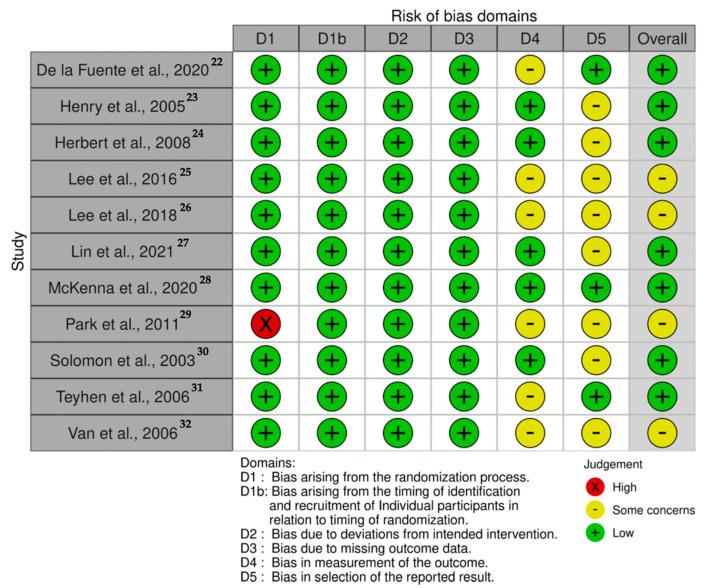
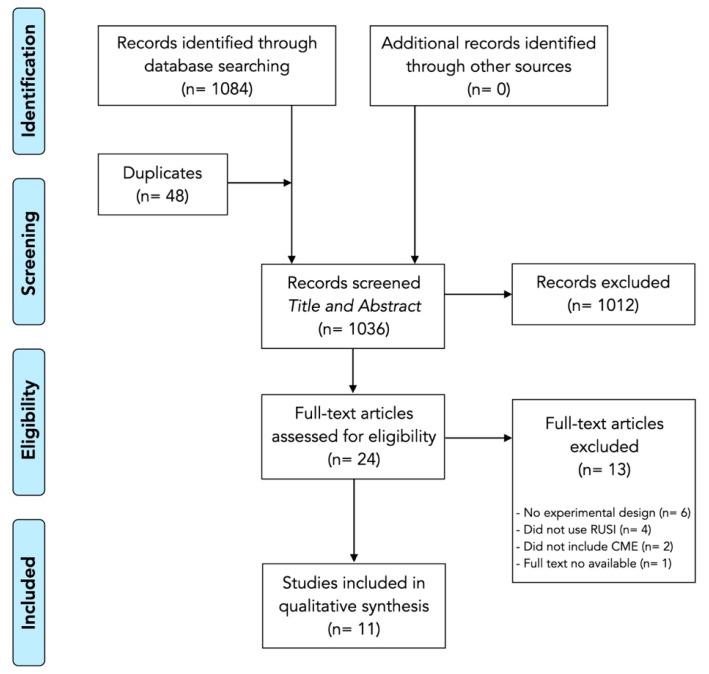
Rehabilitative ultrasound imaging (RUSI) is used by physical therapists as a feedback tool for measuring changes in muscle morphology during therapeutic interventions such as motor control exercises (MCE). However, a structured overview of its efficacy is lacking. We aimed to systematically review the efficacy of RUSI for improving MCE programs compared with no feedback and other feedback methods. MEDLINE, PubMed, SCOPUS and Web of Science databases were searched for studies evaluating efficacy data of RUSI to improve muscular morphology, quality, and/or function of skeletal muscles and MCE success. Eleven studies analyzing RUSI feedback during MCE were included. Most studies showed acceptable methodological quality. Seven studies assessed abdominal wall muscles, one assessed pelvic floor muscles, one serratus anterior muscle, and two lumbar multifidi. Eight studies involved healthy subjects and three studies clinical populations. Eight studies assessed muscle thickness and pressure differences during MCE, two assessed the number of trials needed to successfully perform MCE, three assessed the retain success, seven assessed the muscle activity with electromyography and one assessed clinical severity outcomes. Visual RUSI feedback seems to be more effective than tactile and/or verbal biofeedback for improving MCE performance and retention success, but no differences with pressure unit biofeedback were found.
康复超声成像(RUSI)被物理治疗师用作测量治疗干预(如运动控制练习(MCE))期间肌肉形态变化的反馈工具。然而,其疗效的系统综述尚缺乏。我们旨在系统地回顾 RUSI 改善 MCE 计划的疗效,与无反馈和其他反馈方法相比。我们检索了 MEDLINE、PubMed、SCOPUS 和 Web of Science 数据库,以评估 RUSI 改善骨骼肌形态、质量和/或功能以及 MCE 成功的疗效数据的研究。纳入了 11 项分析 MCE 期间 RUSI 反馈的研究。大多数研究显示出可接受的方法学质量。有 7 项研究评估了腹壁肌肉,1 项评估了盆底肌肉,1 项评估了前锯肌,2 项评估了腰椎多裂肌。8 项研究涉及健康受试者,3 项研究涉及临床人群。8 项研究评估了 MCE 期间肌肉厚度和压力差异,2 项研究评估了成功进行 MCE 所需的试验次数,3 项研究评估了保留成功率,7 项研究评估了肌电图的肌肉活动,1 项研究评估了临床严重程度结局。视觉 RUSI 反馈似乎比触觉和/或言语生物反馈更能提高 MCE 性能和保留成功率,但与压力单位生物反馈无差异。
 Zotero 插件