Liu Zaoqu, Lu Taoyuan, Wang Libo, Liu Long, Li Lifeng, Han Xinwei
Department of Interventional Radiology, The First Affiliated Hospital of Zhengzhou University, Zhengzhou, China.
Interventional Institute of Zhengzhou University, Zhengzhou, China.
Front Mol Biosci. 2021 Jul 7;8:682084. doi: 10.3389/fmolb.2021.682084. eCollection 2021.
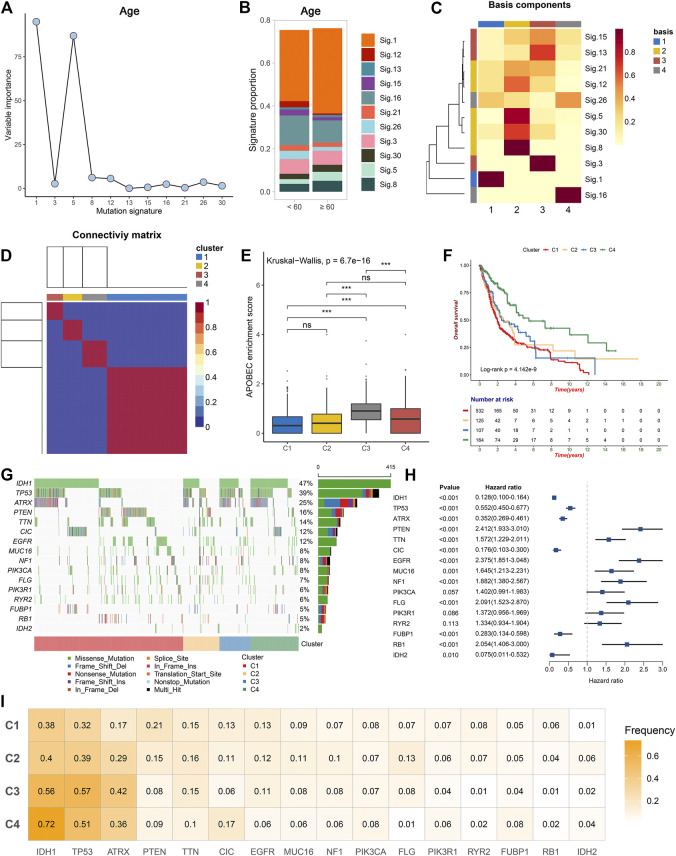
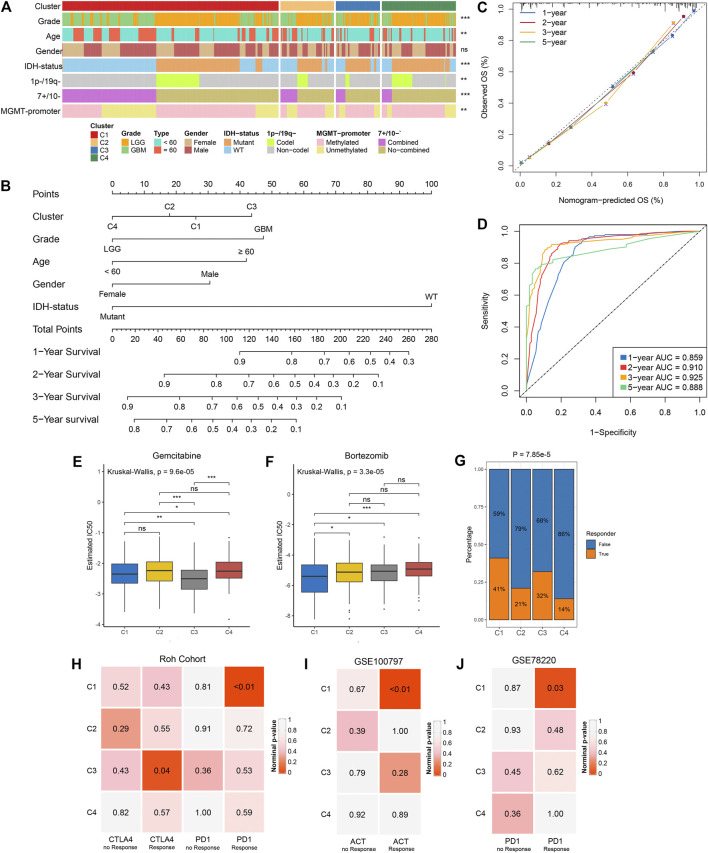
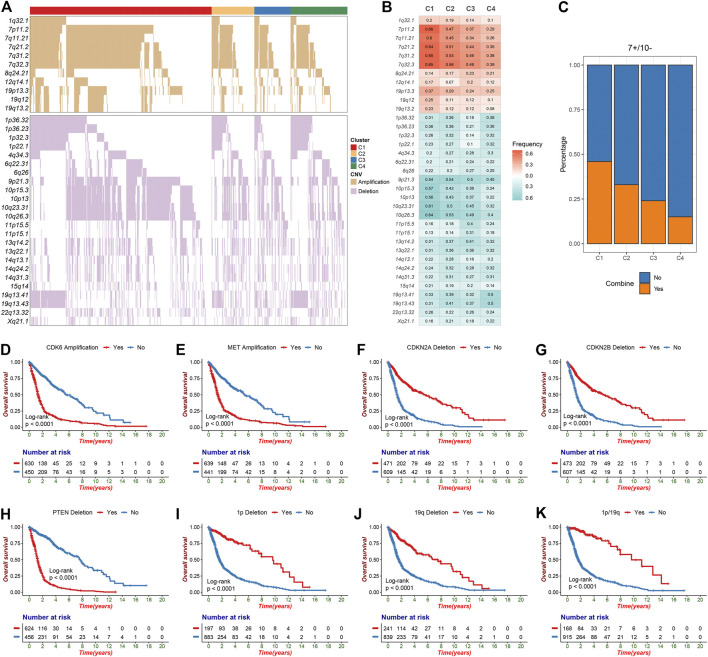
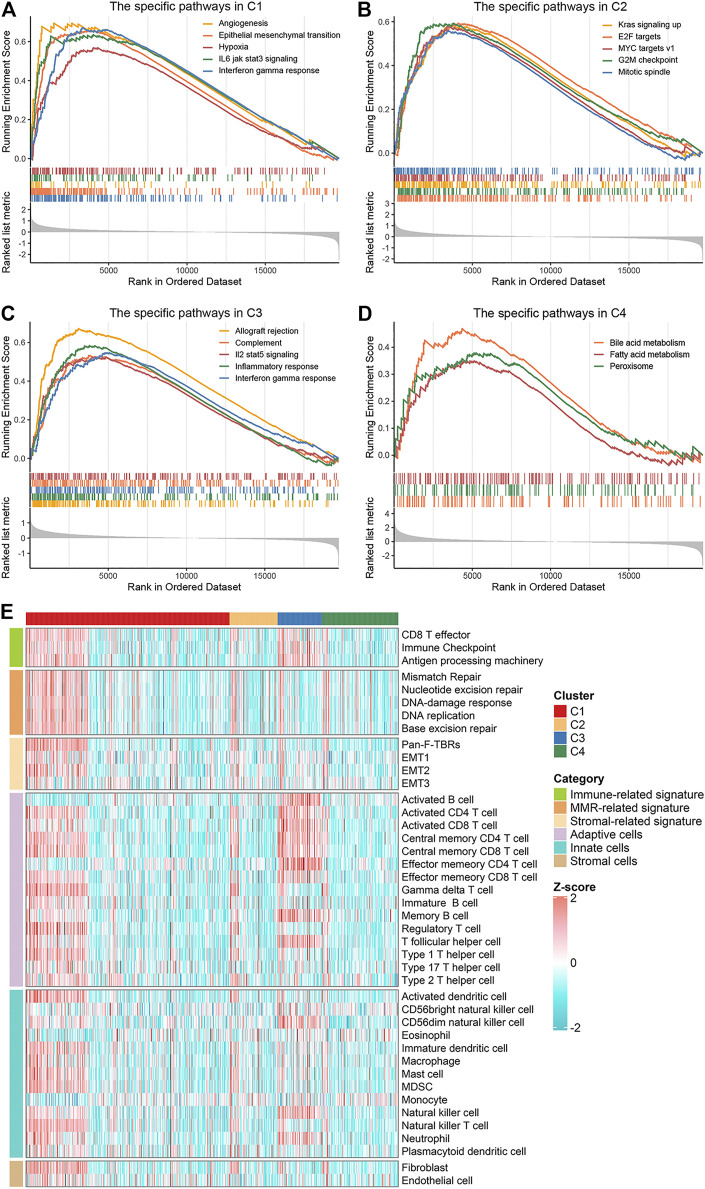
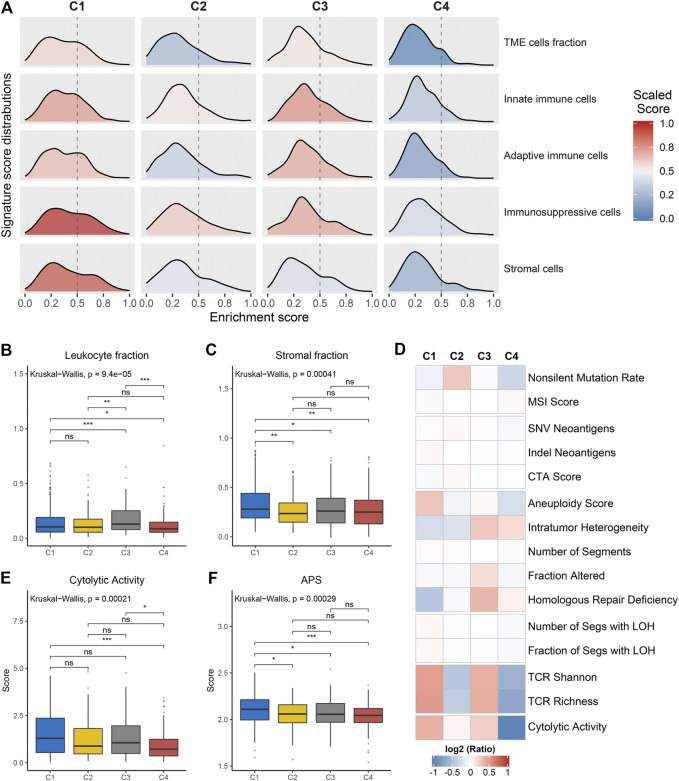
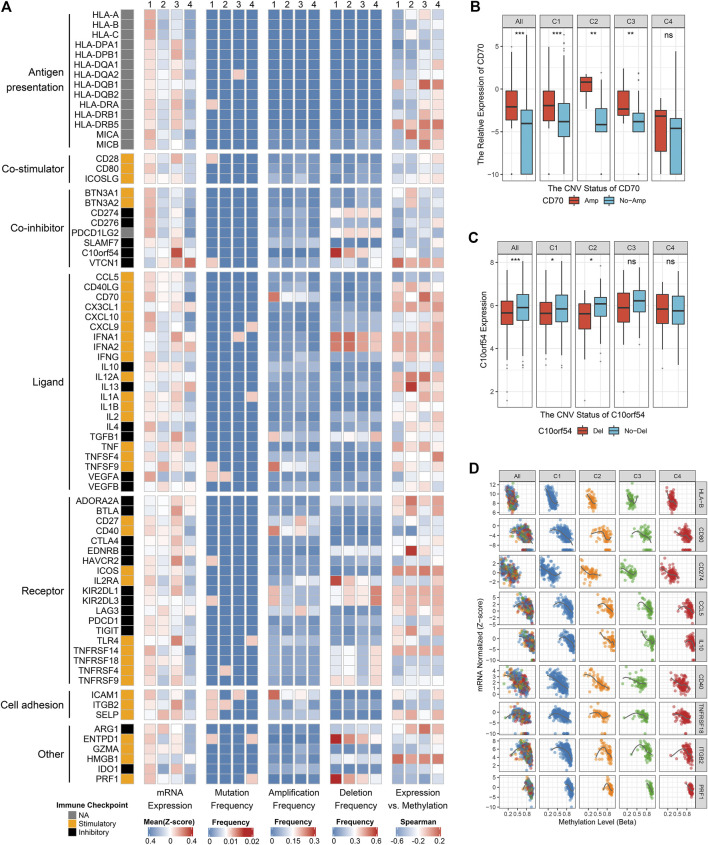
Glioma is the most common malignant brain tumor with complex carcinogenic process and poor prognosis. The current molecular classification cannot fully elucidate the molecular diversity of glioma. Using broad public datasets, we performed cluster analysis based on the mutational signatures and further investigated the multidimensional heterogeneity of the novel glioma molecular subtypes. The clinical significance and immune landscape of four clusters also investigated. The nomogram was developed using the mutational clusters and clinical characteristics. Four heterogenous clusters were identified, termed C1, C2, C3, and C4, respectively. These clusters presented distinct molecular features: C1 was characterized by signature 1, PTEN mutation, chromosome seven amplification and chromosome 10 deletion; C2 was characterized by signature 8 and FLG mutation; C3 was characterized by signature 3 and 13, ATRX and TP53 mutations, and 11p15.1, 11p15.5, and 13q14.2 deletions; and C4 was characterized by signature 16, IDH1 mutation and chromosome 1p and 19q deletions. These clusters also varied in biological functions and immune status. We underlined the potential immune escape mechanisms: abundant stromal and immunosuppressive cells infiltration and immune checkpoints (ICPs) blockade in C1; lack of immune cells, low immunogenicity and antigen presentation defect in C2 and C4; and ICPs blockade in C3. Moreover, C4 possessed a better prognosis, and C1 and C3 were more likely to benefit from immunotherapy. A nomogram with excellent performance was also developed for assessing the prognosis of patients with glioma. Our results can enhance the mastery of molecular features and facilitate the precise treatment and clinical management of glioma.
胶质瘤是最常见的恶性脑肿瘤,其致癌过程复杂,预后较差。目前的分子分类尚不能完全阐明胶质瘤的分子多样性。我们利用广泛的公共数据集,基于突变特征进行聚类分析,并进一步研究新型胶质瘤分子亚型的多维异质性。还研究了四个聚类的临床意义和免疫格局。利用突变聚类和临床特征构建了列线图。共识别出四个异质性聚类,分别命名为C1、C2、C3和C4。这些聚类呈现出不同的分子特征:C1的特征为特征1、PTEN突变、7号染色体扩增和10号染色体缺失;C2的特征为特征8和FLG突变;C3的特征为特征3和13、ATRX和TP53突变,以及11p15.1、11p15.5和13q14.2缺失;C4的特征为特征16、IDH1突变以及1号和19号染色体缺失。这些聚类在生物学功能和免疫状态方面也存在差异。我们强调了潜在的免疫逃逸机制:C1中存在丰富的基质和免疫抑制细胞浸润以及免疫检查点(ICP)阻断;C2和C4中缺乏免疫细胞、免疫原性低和抗原呈递缺陷;C3中存在ICP阻断。此外,C4预后较好,C1和C3更有可能从免疫治疗中获益。还构建了一个性能优异的列线图,用于评估胶质瘤患者的预后。我们的研究结果可以增强对分子特征的掌握,促进胶质瘤的精准治疗和临床管理。