Department of Orthopaedic Surgery, Azienda Ospedaliera Universitaria Integrata, Polo Chirurgico P. Confortini, Verona, Italy.
.
Acta Biomed. 2021 Jul 26;92(S3):e2021015. doi: 10.23750/abm.v92iS3.11725.
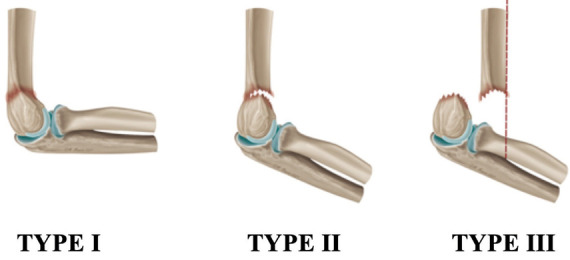
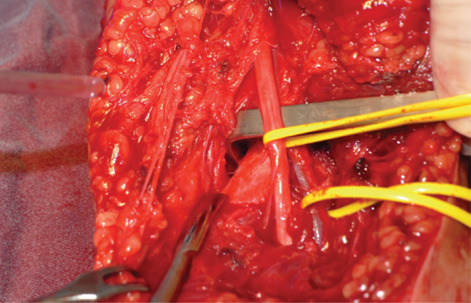
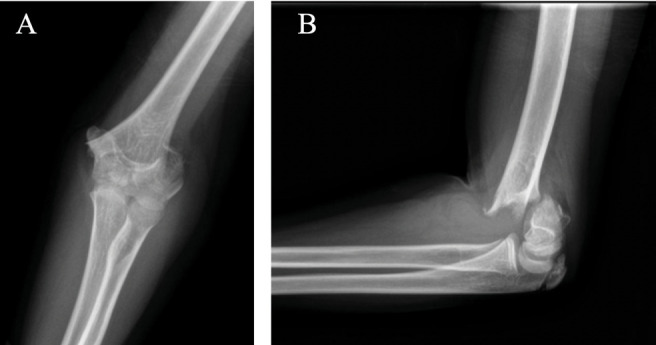
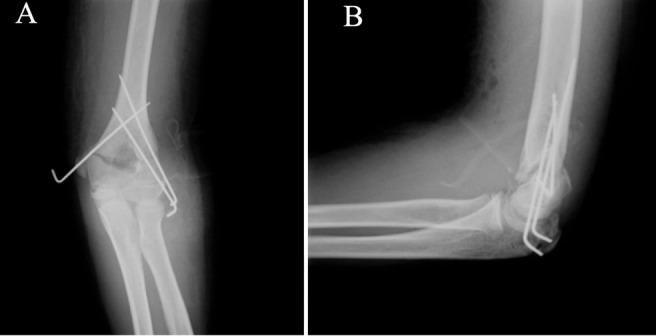
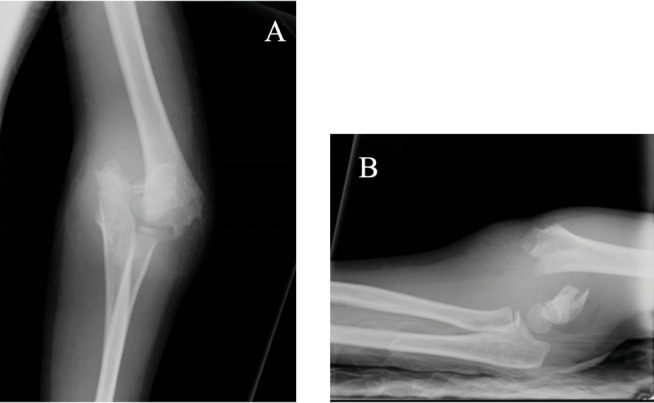
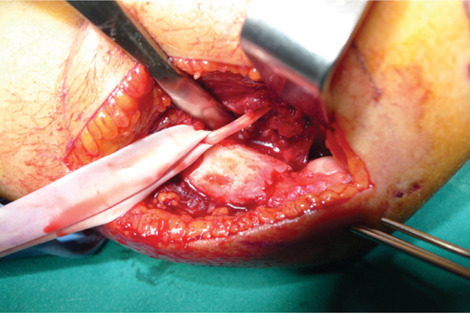
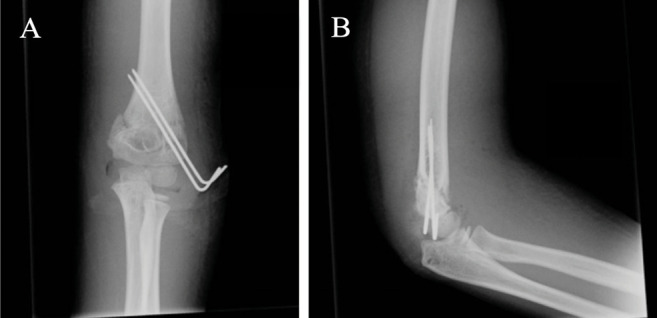
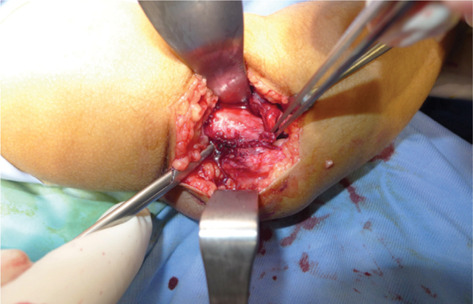
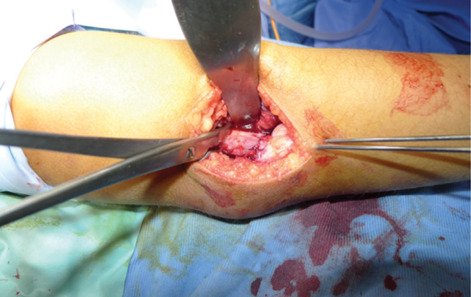
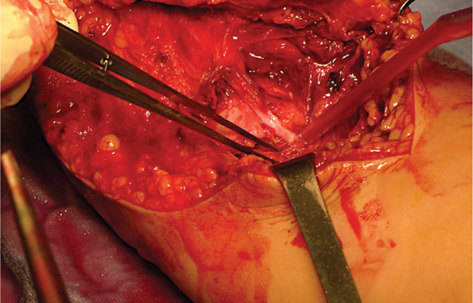
Supracondylar humeral fractures are widely considered the most common elbow fracture in children. Gartland classification plays a fundamental role in decision-making regarding management and prognosis. Recent literature recommends conservative management for non or minimally displaced fractures, whereas there seems to be a trend towards surgical treatment for all displaced fractures. The preferred treatment for displaced Gartland II and Gartland III fractures is closed reduction and percutaneous fixation with lateral pins. In particular patterns medial pin is recommended for obtain a stable construct. Neurovascular complications are mostly associated with Type III fractures and sometimes surgical exploration with fracture reduction is needed. Correct diagnosis and proper management protocol is mandatory for avoid early and late complications such as neurovascular impairment and malunion.
肱骨髁上骨折被广泛认为是儿童最常见的肘部骨折。Gartland 分类在治疗决策和预后判断中起着至关重要的作用。最近的文献建议对无移位或轻度移位的骨折进行保守治疗,而对于所有移位的骨折,似乎有向手术治疗的趋势。对于 Gartland II 型和 Gartland III 型骨折,首选的治疗方法是闭合复位和经皮外侧克氏针固定。特别是对于获得稳定结构,建议使用内侧克氏针。神经血管并发症主要与 III 型骨折有关,有时需要手术探查和骨折复位。正确的诊断和适当的治疗方案对于避免早期和晚期并发症(如神经血管损伤和畸形愈合)是必需的。