Department of Pharmacological Sciences, Institute for Systems Biomedicine (C.I.C., J.H., B.C., T.H., R.I., F.R.), Icahn School of Medicine at Mount Sinai, New York.
Division of Nephrology, Department of Medicine (W.X., J.C.H.), Icahn School of Medicine at Mount Sinai, New York.
Arterioscler Thromb Vasc Biol. 2021 Sep;41(9):2483-2493. doi: 10.1161/ATVBAHA.121.316464. Epub 2021 Jul 29.
Despite considerable research, the goal of finding nonsurgical remedies against thoracic aortic aneurysm and acute aortic dissection remains elusive. We sought to identify a novel aortic PK (protein kinase) that can be pharmacologically targeted to mitigate aneurysmal disease in a well-established mouse model of early-onset progressively severe Marfan syndrome (MFS).
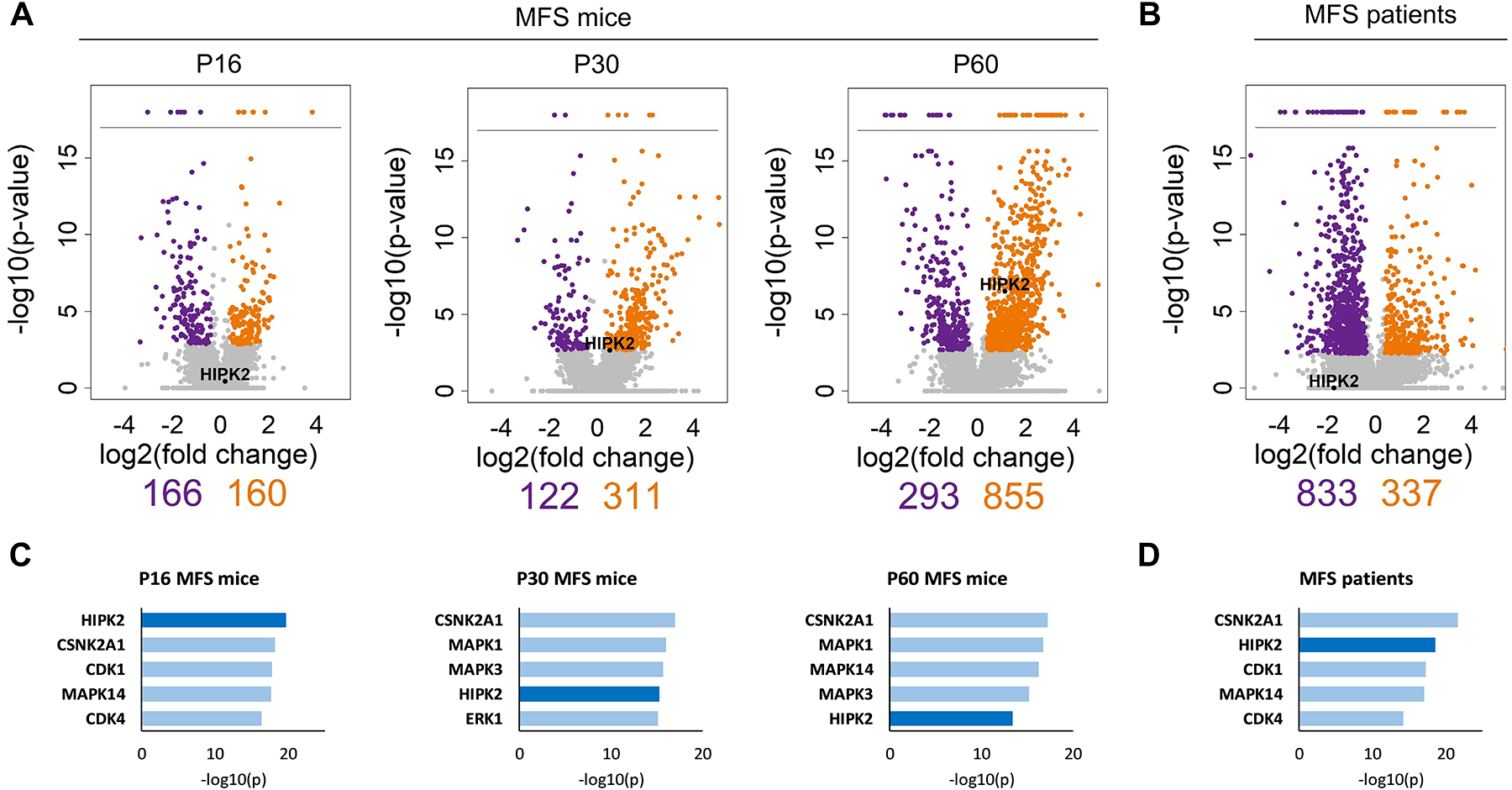
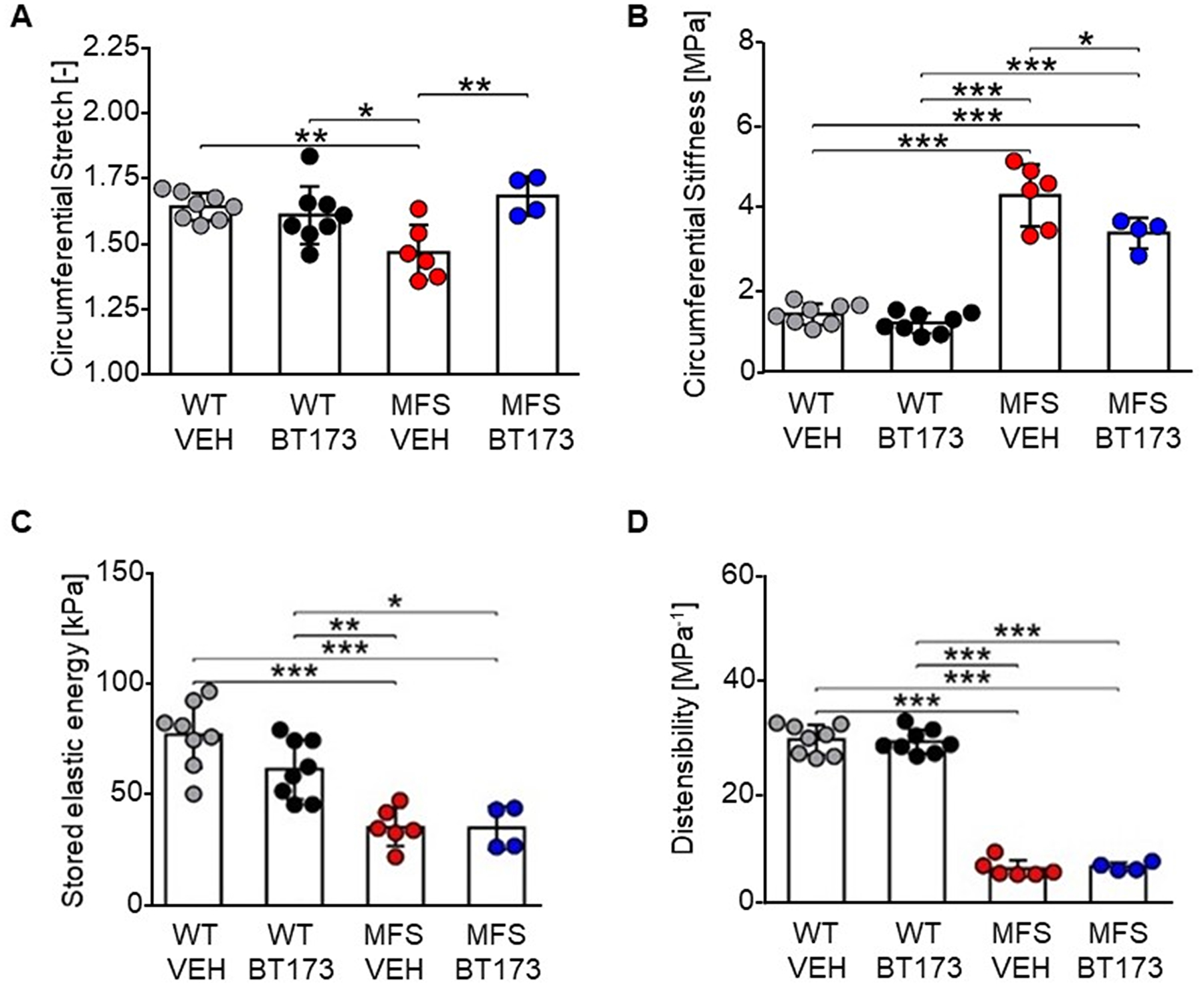
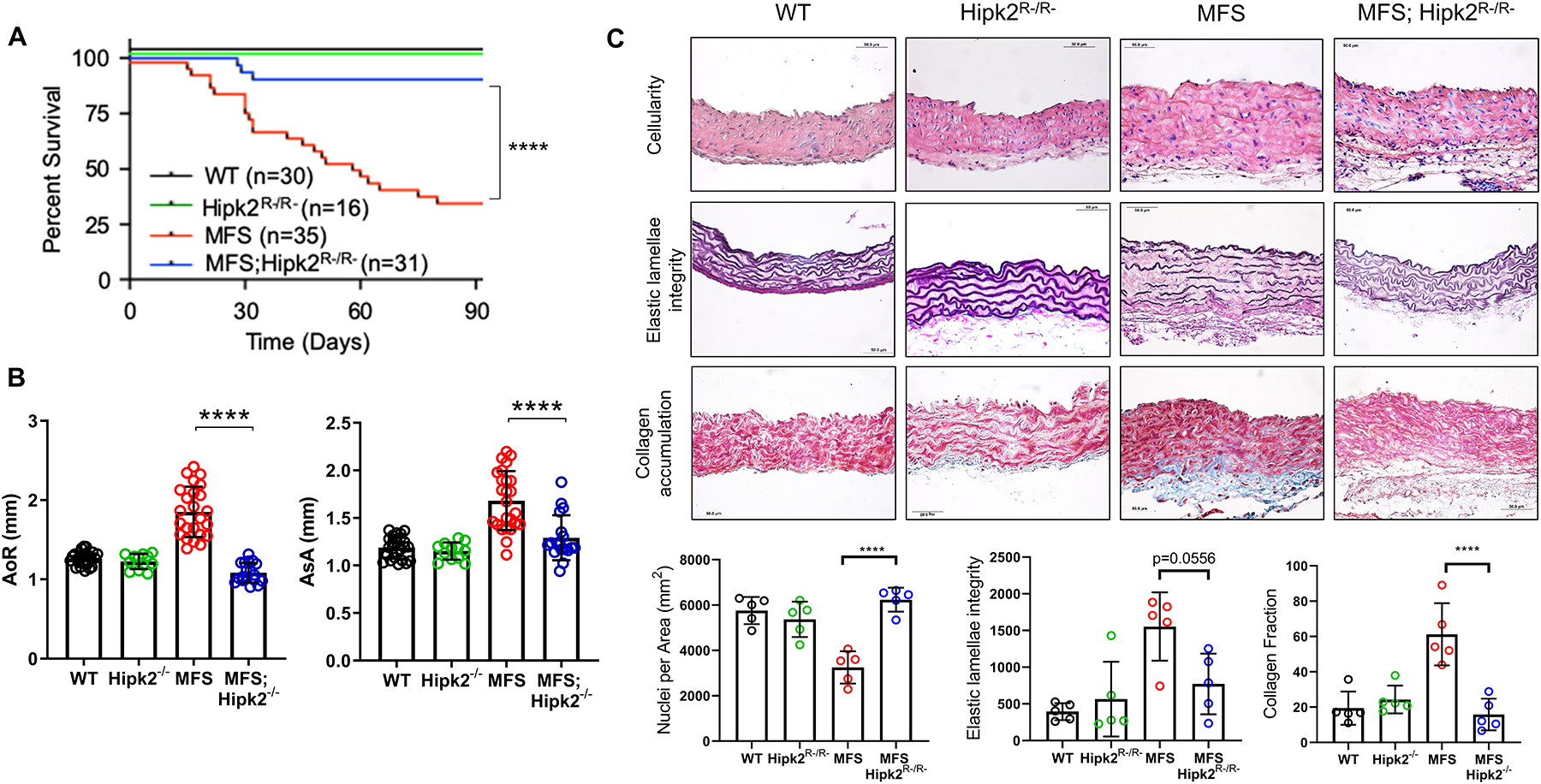
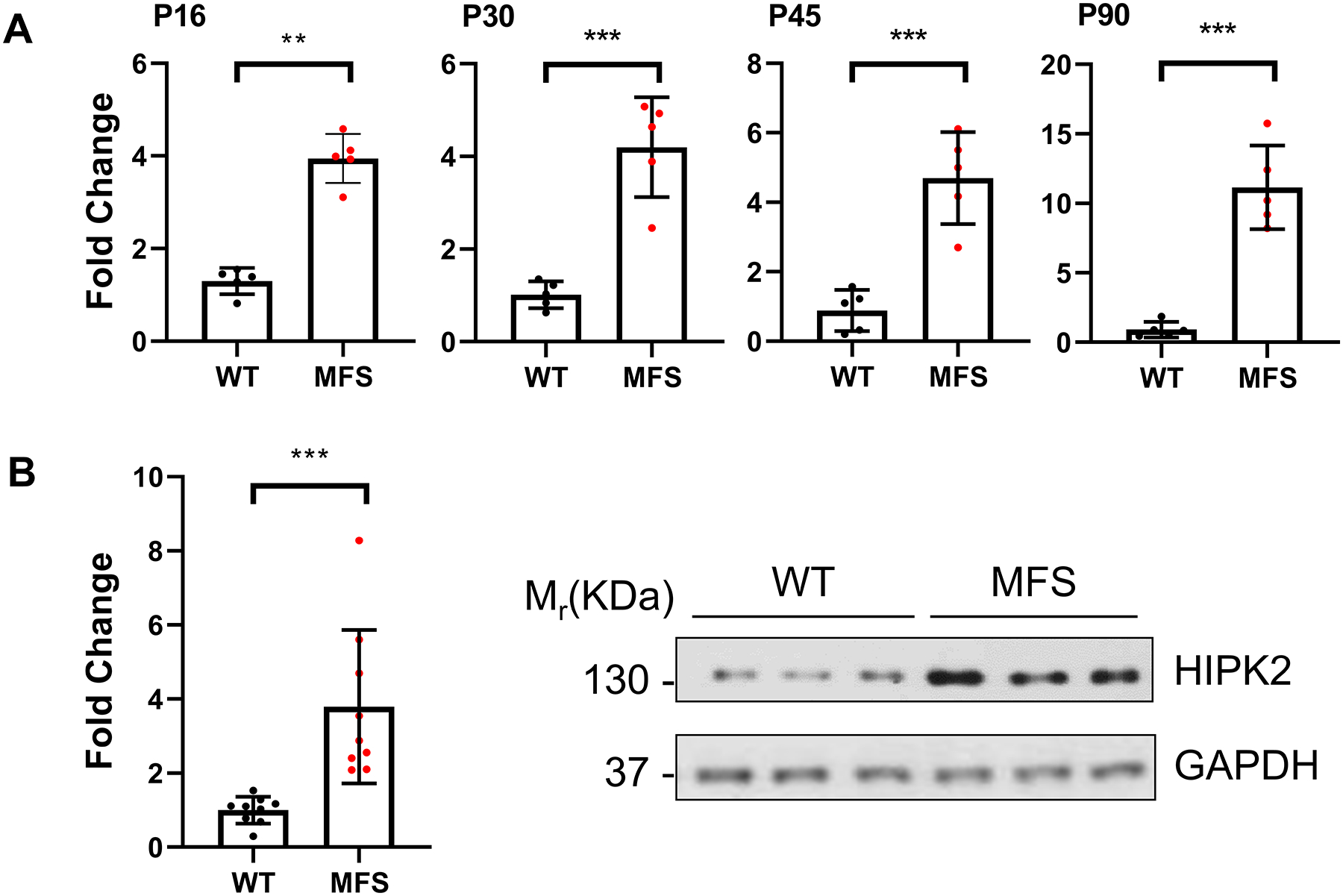
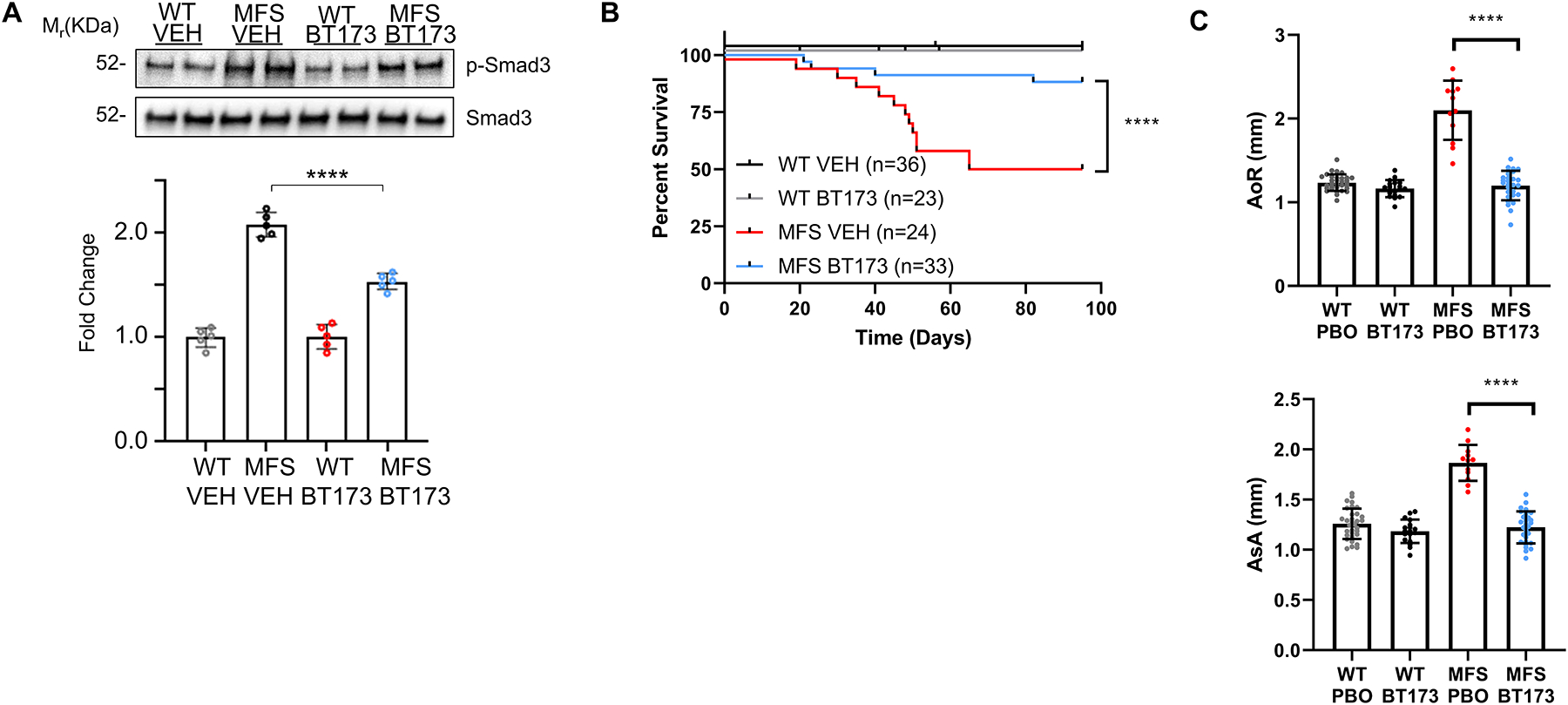
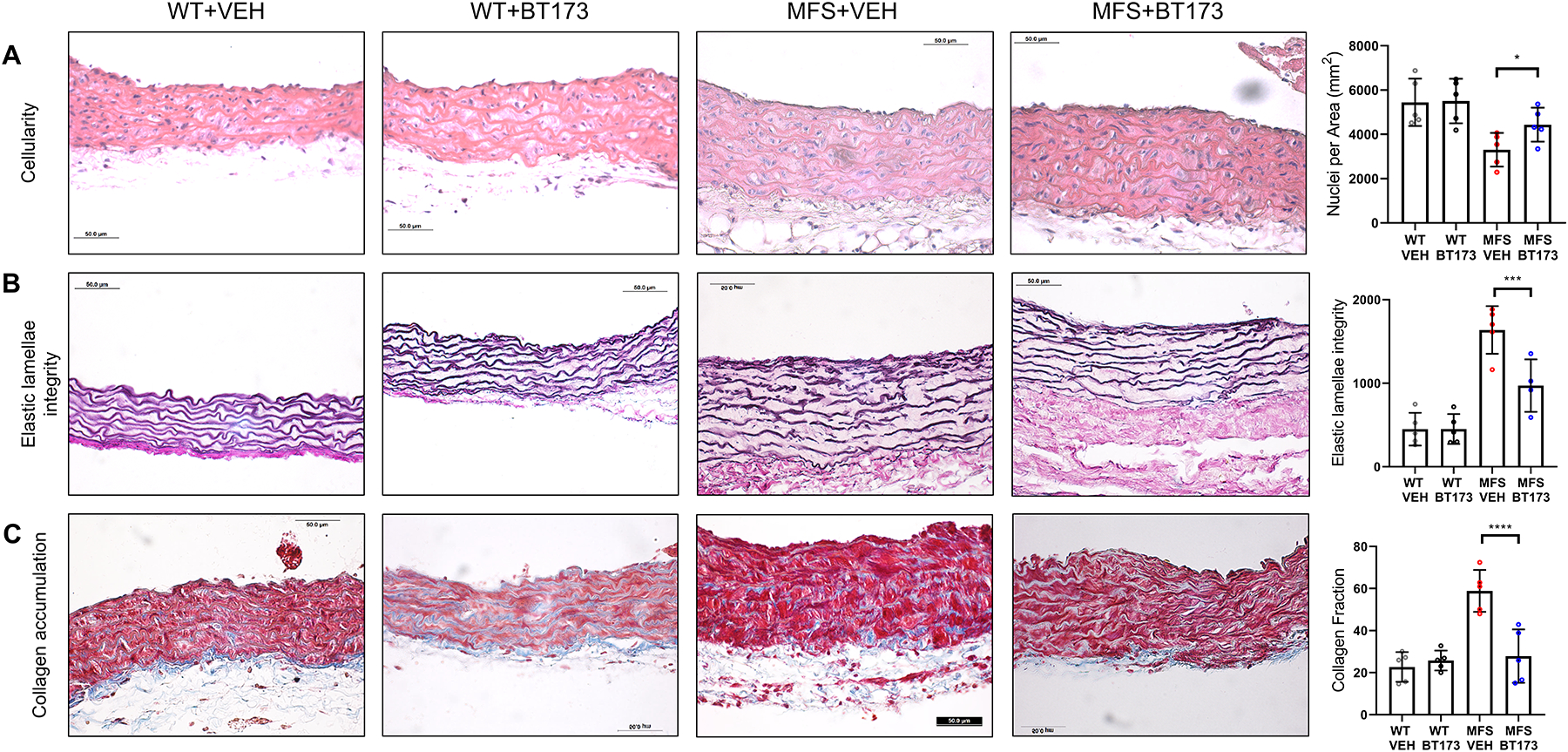
Computational analyses of transcriptomic data derived from the ascending aorta of MFS mice predicted a probable association between thoracic aortic aneurysm and acute aortic dissection development and the multifunctional, stress-activated HIPK2 (homeodomain-interacting protein kinase 2). Consistent with this prediction, Hipk2 gene inactivation significantly extended the survival of MFS mice by slowing aneurysm growth and delaying transmural rupture. HIPK2 also ranked among the top predicted PKs in computational analyses of DEGs (differentially expressed genes) in the dilated aorta of 3 MFS patients, which strengthened the clinical relevance of the experimental finding. Additional in silico analyses of the human and mouse data sets identified the TGF (transforming growth factor)-β/Smad3 signaling pathway as a potential target of HIPK2 in the MFS aorta. Chronic treatment of MFS mice with an allosteric inhibitor of HIPK2-mediated stimulation of Smad3 signaling validated this prediction by mitigating thoracic aortic aneurysm and acute aortic dissection pathology and partially improving aortic material stiffness.
HIPK2 is a previously unrecognized determinant of aneurysmal disease and an attractive new target for antithoracic aortic aneurysm and acute aortic dissection multidrug therapy.
尽管进行了大量研究,但寻找非手术治疗方法来对抗胸主动脉瘤和急性主动脉夹层的目标仍然难以实现。我们试图确定一种新的主动脉蛋白激酶(PK),可以通过药理学靶向来减轻马凡综合征(MFS)早期严重进展性小鼠模型中动脉瘤疾病。
对源自 MFS 小鼠升主动脉的转录组数据进行的计算分析预测,胸主动脉瘤和急性主动脉夹层的发展与多功能、应激激活的 HIPK2(同源结构域相互作用蛋白激酶 2)之间可能存在关联。与这一预测一致,Hipk2 基因失活通过减缓动脉瘤生长和延迟壁内破裂,显著延长了 MFS 小鼠的存活时间。HIPK2 在对 3 名 MFS 患者扩张主动脉中差异表达基因(DEGs)的计算分析中也被列为预测 PK 之一,这增强了实验结果的临床相关性。对人和小鼠数据集的进一步计算分析表明,转化生长因子(TGF)-β/Smad3 信号通路是 HIPK2 在 MFS 主动脉中的潜在靶点。用 HIPK2 介导的 Smad3 信号的别构抑制剂对 MFS 小鼠进行慢性治疗,通过减轻胸主动脉瘤和急性主动脉夹层的病理变化并部分改善主动脉材料硬度,验证了这一预测。
HIPK2 是动脉瘤疾病的一个以前未被认识的决定因素,是一种有吸引力的新靶点,可用于抗胸主动脉瘤和急性主动脉夹层的多药物治疗。