Krishnan Vaisakh, Kumar Vijay, Variane Gabriel Fernando Todeschi, Carlo Waldemar A, Bhutta Zulfiqar A, Sizonenko Stéphane, Hansen Anne, Shankaran Seetha, Thayyil Sudhin
Centre of Perinatal Neuroscience, Department of Brain Sciences, Imperial College London, London, UK.
Protecting Brains & Saving Futures, Brazil.
Semin Fetal Neonatal Med. 2021 Oct;26(5):101271. doi: 10.1016/j.siny.2021.101271. Epub 2021 Jul 24.
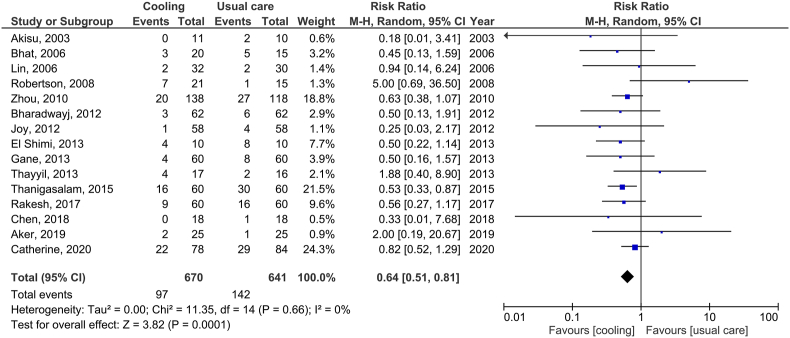
Although low- and middle-income countries (LMICs) shoulder 90 % of the neonatal encephalopathy (NE) burden, there is very little evidence base for prevention or management of this condition in these settings. A variety of antenatal factors including socio-economic deprivation, undernutrition and sub optimal antenatal and intrapartum care increase the risk of NE, although little is known about the underlying mechanisms. Implementing interventions based on the evidence from high-income countries to LMICs, may cause more harm than benefit as shown by the increased mortality and lack of neuroprotection with cooling therapy in the hypothermia for moderate or severe NE in low and middle-income countries (HELIX) trial. Pooled data from pilot trials suggest that erythropoietin monotherapy reduces death and disability in LMICs, but this needs further evaluation in clinical trials. Careful attention to supportive care, including avoiding hyperoxia, hypocarbia, hypoglycemia, and hyperthermia, are likely to improve outcomes until specific neuroprotective or neurorestorative therapies available.
尽管低收入和中等收入国家(LMICs)承担了90%的新生儿脑病(NE)负担,但在这些环境中,关于该疾病预防或管理的证据基础非常少。包括社会经济贫困、营养不良以及产前和产时护理欠佳等多种产前因素会增加患NE的风险,不过其潜在机制鲜为人知。正如低收入和中等收入国家亚低温治疗中、重度新生儿脑病(HELIX)试验所显示的那样,低温治疗导致死亡率上升且缺乏神经保护作用,将基于高收入国家证据的干预措施应用于低收入和中等收入国家可能弊大于利。来自试点试验的汇总数据表明,促红细胞生成素单一疗法可降低低收入和中等收入国家的死亡和残疾发生率,但这需要在临床试验中进一步评估。在有可用的特定神经保护或神经恢复疗法之前,仔细关注支持性护理措施,包括避免高氧、低碳酸血症、低血糖和高热,可能会改善预后。