Clinical Neuroscience, Max Planck Institute of Experimental Medicine, Göttingen, Germany.
Department of Neurogenetics, Max Planck Institute of Experimental Medicine, Göttingen, Germany.
Mol Psychiatry. 2021 Dec;26(12):7746-7759. doi: 10.1038/s41380-021-01238-3. Epub 2021 Jul 30.
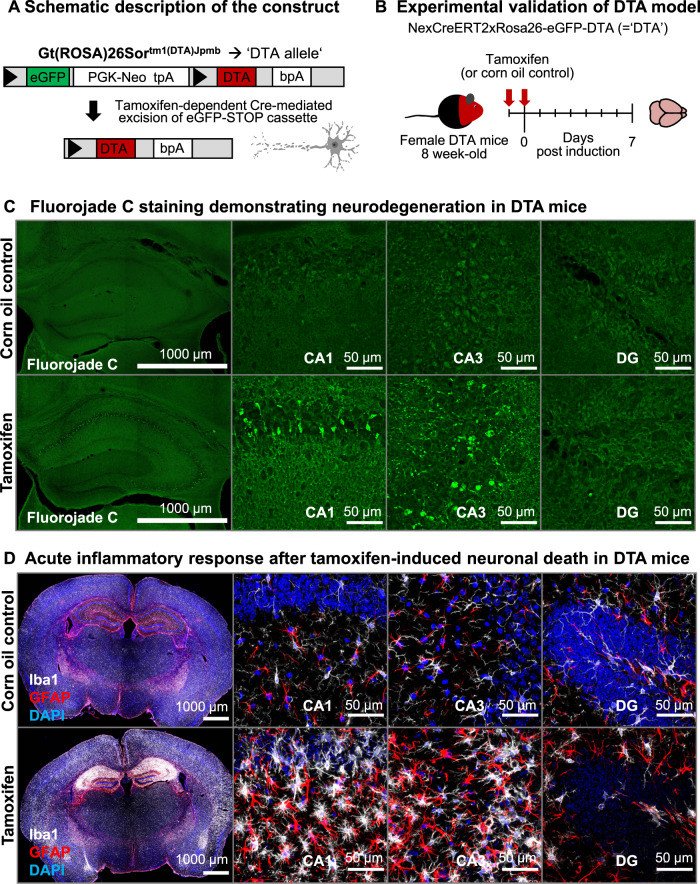
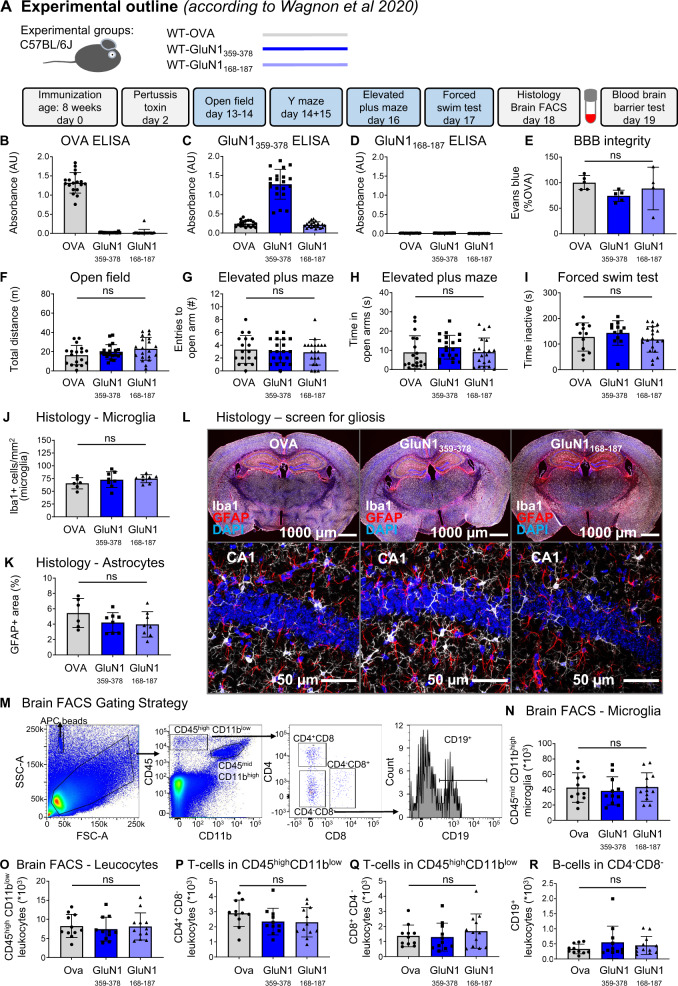
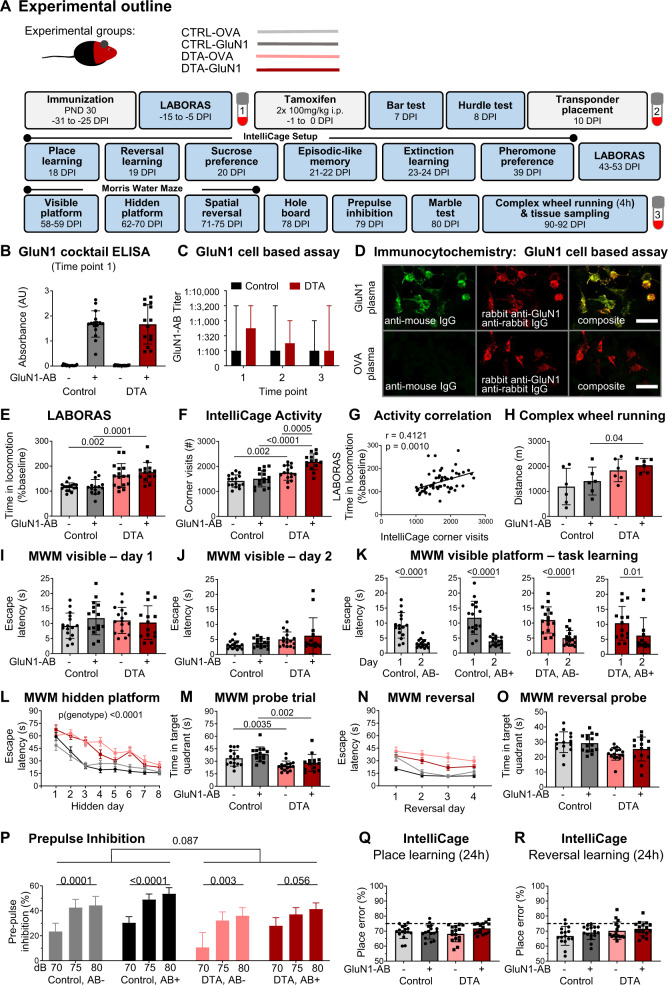
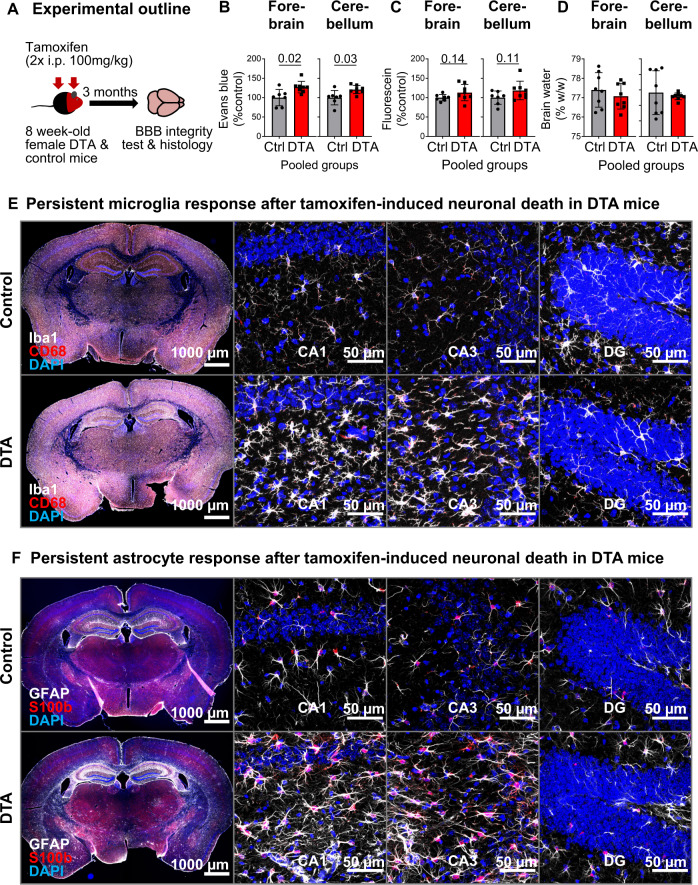
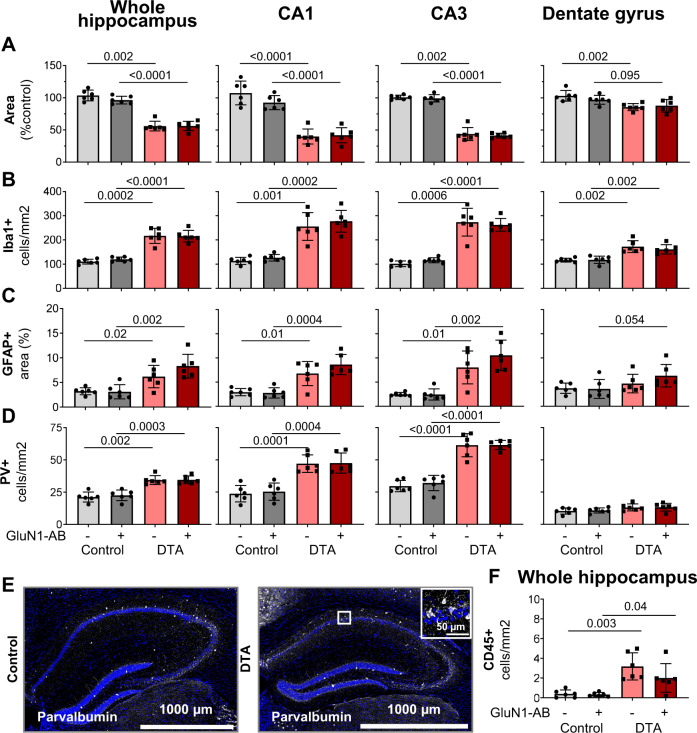
The etiology and pathogenesis of "anti-N-methyl-D-aspartate-receptor (NMDAR) encephalitis" and the role of autoantibodies (AB) in this condition are still obscure. While NMDAR1-AB exert NMDAR-antagonistic properties by receptor internalization, no firm evidence exists to date that NMDAR1-AB by themselves induce brain inflammation/encephalitis. NMDAR1-AB of all immunoglobulin classes are highly frequent across mammals with multiple possible inducers and boosters. We hypothesized that "NMDAR encephalitis" results from any primary brain inflammation coinciding with the presence of NMDAR1-AB, which may shape the encephalitis phenotype. Thus, we tested whether following immunization with a "cocktail" of 4 NMDAR1 peptides, induction of a spatially and temporally defined sterile encephalitis by diphtheria toxin-mediated ablation of pyramidal neurons ("DTA" mice) would modify/aggravate the ensuing phenotype. In addition, we tried to replicate a recent report claiming that immunizing just against the NMDAR1-N368/G369 region induced brain inflammation. Mice after DTA induction revealed a syndrome comprising hyperactivity, hippocampal learning/memory deficits, prefrontal cortical network dysfunction, lasting blood brain-barrier impairment, brain inflammation, mainly in hippocampal and cortical regions with pyramidal neuronal death, microgliosis, astrogliosis, modest immune cell infiltration, regional atrophy, and relative increases in parvalbumin-positive interneurons. The presence of NMDAR1-AB enhanced the hyperactivity (psychosis-like) phenotype, whereas all other readouts were identical to control-immunized DTA mice. Non-DTA mice with or without NMDAR1-AB were free of any encephalitic signs. Replication of the reported NMDAR1-N368/G369-immunizing protocol in two large independent cohorts of wild-type mice completely failed. To conclude, while NMDAR1-AB can contribute to the behavioral phenotype of an underlying encephalitis, induction of an encephalitis by NMDAR1-AB themselves remains to be proven.
“抗 N-甲基-D-天冬氨酸受体(NMDAR)脑炎”的病因和发病机制以及自身抗体(AB)在该疾病中的作用仍不清楚。虽然 NMDAR1-AB 通过受体内化发挥 NMDAR 拮抗作用,但迄今为止尚无确凿证据表明 NMDAR1-AB 本身会引起脑炎症/脑炎。所有免疫球蛋白类别的 NMDAR1-AB 在哺乳动物中非常常见,有多种可能的诱导剂和增强剂。我们假设“NMDAR 脑炎”是由任何与 NMDAR1-AB 同时存在的原发性脑炎症引起的,而 NMDAR1-AB 可能会影响脑炎表型。因此,我们测试了是否通过用 4 个 NMDAR1 肽的“鸡尾酒”免疫接种,用白喉毒素介导的锥体神经元消融(“DTA”小鼠)诱导空间和时间限定的无菌性脑炎,会改变/加重随后的表型。此外,我们试图复制最近的一项报告,该报告声称仅针对 NMDAR1-N368/G369 区域免疫接种会引起脑炎症。DTA 诱导后的小鼠表现出一种综合征,包括多动、海马学习/记忆缺陷、前额皮质网络功能障碍、持续的血脑屏障损伤、脑炎症,主要在海马和皮质区域伴有锥体神经元死亡、小胶质细胞增生、星形胶质细胞增生、适度的免疫细胞浸润、区域性萎缩以及 Parvalbumin 阳性中间神经元的相对增加。NMDAR1-AB 的存在增强了多动(类精神病)表型,而所有其他指标与对照免疫接种的 DTA 小鼠相同。有或没有 NMDAR1-AB 的非 DTA 小鼠均无任何脑炎迹象。在两个大型独立的野生型小鼠队列中复制报告的 NMDAR1-N368/G369 免疫方案完全失败。总之,虽然 NMDAR1-AB 可以影响潜在脑炎的行为表型,但 NMDAR1-AB 本身引起脑炎的诱导仍有待证明。