Bone Biology Laboratory, Department of Physiology, School of Medicine, University of Louisville, Louisville, KY 40202, USA.
James Graham Brown Cancer Center, Department of Microbiology & Immunology, University of Louisville, KY 40202, USA.
Theranostics. 2021 Jun 22;11(16):7715-7734. doi: 10.7150/thno.58410. eCollection 2021.
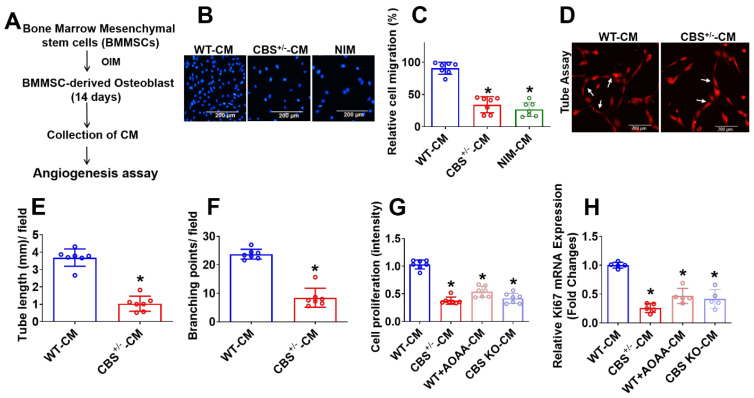
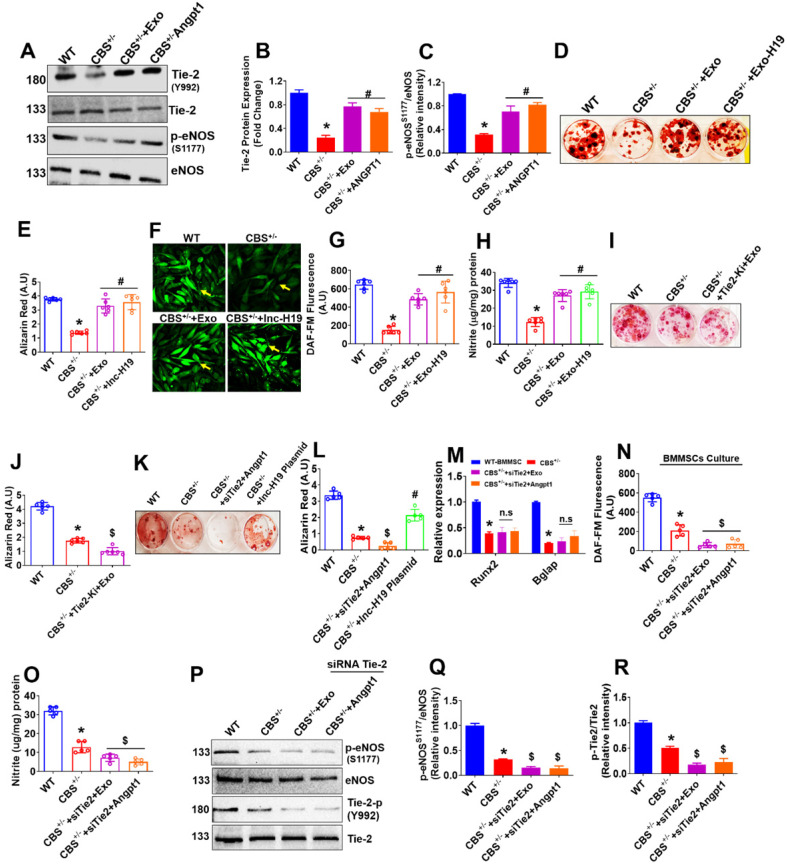
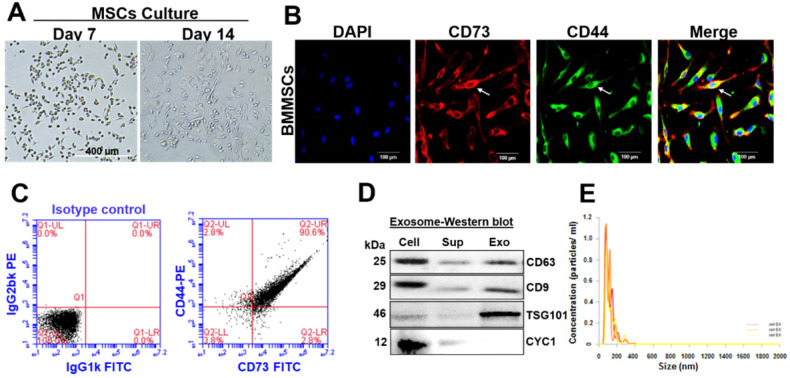
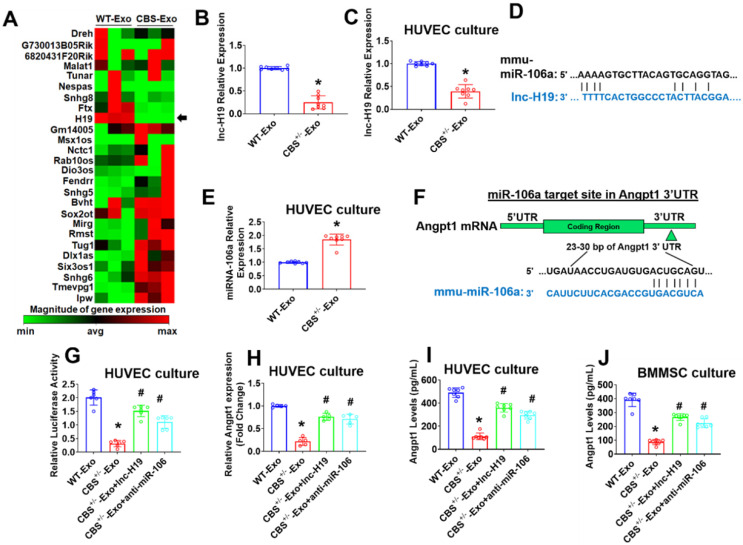
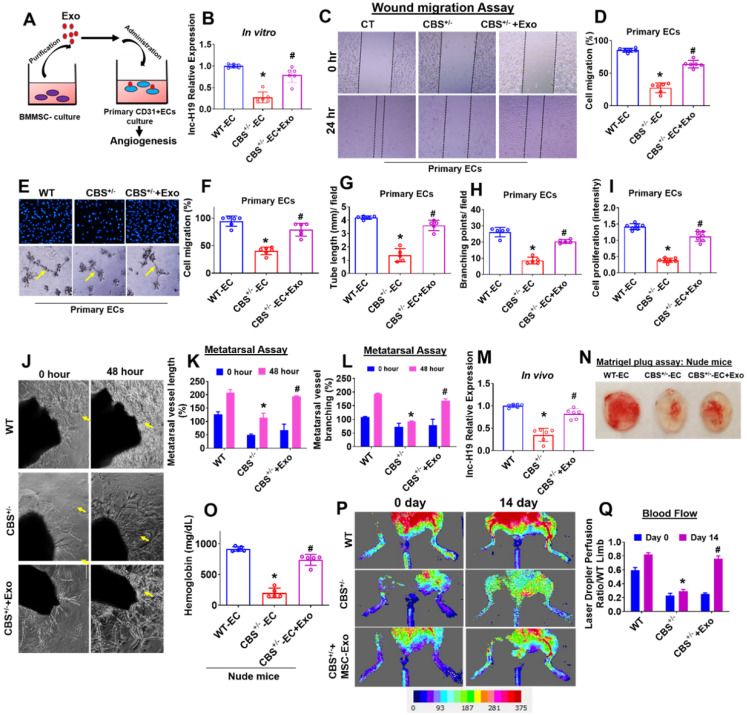
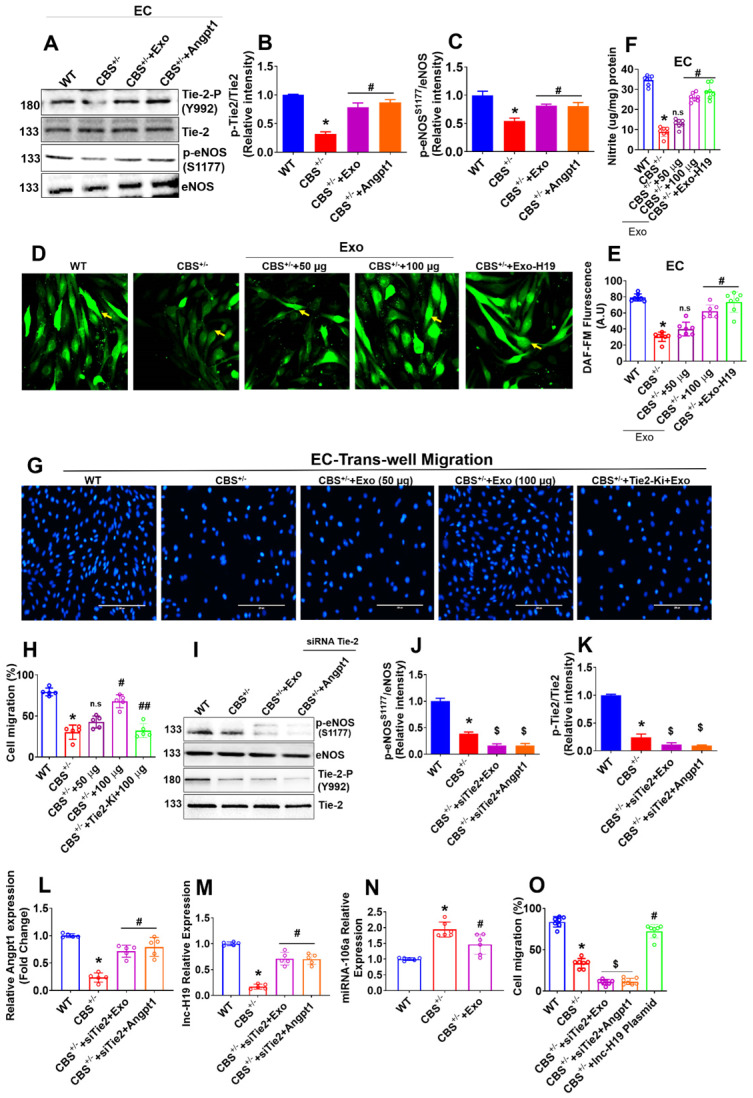
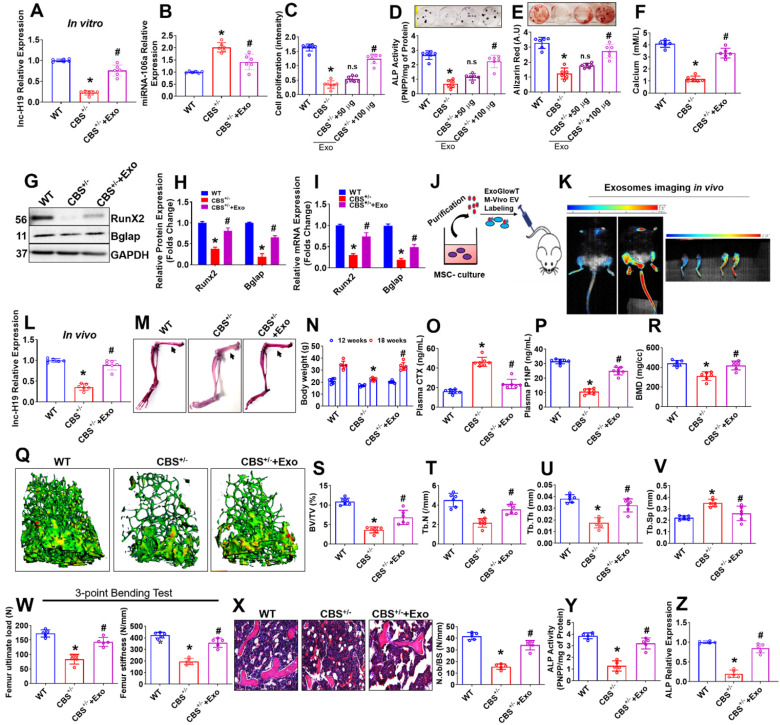
Emerging evidence indicates that the growth of blood vessels and osteogenesis is tightly coordinated during bone development. However, the molecular regulators of intercellular communication in the bone microenvironment are not well studied. Therefore, we aim to investigate whether BMMSC-Exo promotes osteogenesis and angiogenesis via transporting lnc-H19 in the CBS- heterozygous mouse model. Using RT2 lncRNA PCR array screening, we identify a bone-specific, long noncoding RNA-H19 (lncRNA-H19/lnc-H19) in exosomes derived from bone marrow mesenchymal stem cells (BMMSC-Exo) during osteogenesis. Using bioinformatics analysis, we further discovered the seed sequence of miR-106a that could bind to lnc-H19. A luciferase reporter assay was performed to demonstrate the direct binding of miR-106a to the target gene angiopoietin 1 (Angpt1). We employed an immunocompromised Nude mouse model, to evaluate the effects of BMMSC-Exo on angiogenesis . Using a micro-CT scan, we monitored microstructural changes of bone in the experimental mice. BMMSC-Exo possessed exosomal characteristics including exosome size, and typical markers including CD63, CD9, and TSD101. , BMMSC-Exo significantly promoted endothelial angiogenesis and osteogenesis. Mechanistic studies have shown that exosomal lnc-H19 acts as "sponges" to absorb miR-106 and regulate the expression of angiogenic factor, Angpt1 that activates lnc-H19/Tie2-NO signaling in mesenchymal and endothelial cells. Both of these effects on osteogenesis and angiogenesis are inhibited by antagonizing Tie2 signaling. Treatment of BMMSC-Exo also restored the bone formation and mechanical quality . These findings provide a novel insight into how the extracellular role of exosomal lnc-H19 affects osteogenesis and angiogenesis through competing endogenous RNA networks.
新兴证据表明,在骨骼发育过程中,血管生成和骨生成的生长是紧密协调的。然而,骨微环境中细胞间通讯的分子调节剂尚未得到很好的研究。因此,我们旨在研究 BMMSC-Exo 是否通过在 CBS-杂合子小鼠模型中转运 lnc-H19 来促进成骨和血管生成。
通过 RT2 lncRNA PCR 阵列筛选,我们在成骨过程中从骨髓间充质干细胞(BMMSC-Exo)衍生的外泌体中鉴定出一种骨特异性长非编码 RNA-H19(lncRNA-H19/lnc-H19)。通过生物信息学分析,我们进一步发现了可以与 lnc-H19 结合的 miR-106a 的种子序列。荧光素酶报告基因实验证明了 miR-106a 与靶基因血管生成素 1(Angpt1)的直接结合。我们采用免疫缺陷 Nude 小鼠模型来评估 BMMSC-Exo 对血管生成的影响。通过 micro-CT 扫描监测实验小鼠骨骼的微观结构变化。
BMMSC-Exo 具有外泌体特征,包括外泌体大小和典型标志物,如 CD63、CD9 和 TSD101。此外,BMMSC-Exo 显著促进了内皮血管生成和成骨。机制研究表明,外泌体 lnc-H19 作为“海绵”吸收 miR-106 并调节血管生成因子 Angpt1 的表达,该因子激活间充质和内皮细胞中的 lnc-H19/Tie2-NO 信号。这些对成骨和血管生成的影响都被拮抗 Tie2 信号所抑制。BMMSC-Exo 的治疗也恢复了骨形成和机械质量。
这些发现为外泌体 lnc-H19 通过竞争内源 RNA 网络影响成骨和血管生成的细胞外作用提供了新的见解。