Department of Psychology, University of Washington, Seattle, United States.
Department of Pathology, Section on Comparative Medicine, Wake Forest School of Medicine, Winston-Salem, United States.
Elife. 2021 Aug 2;10:e68293. doi: 10.7554/eLife.68293.
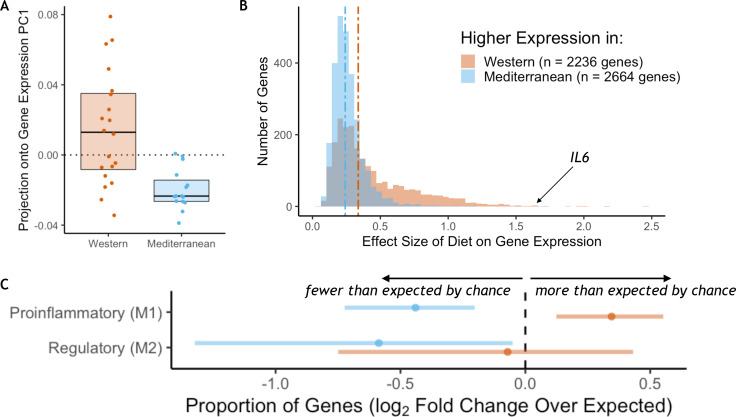
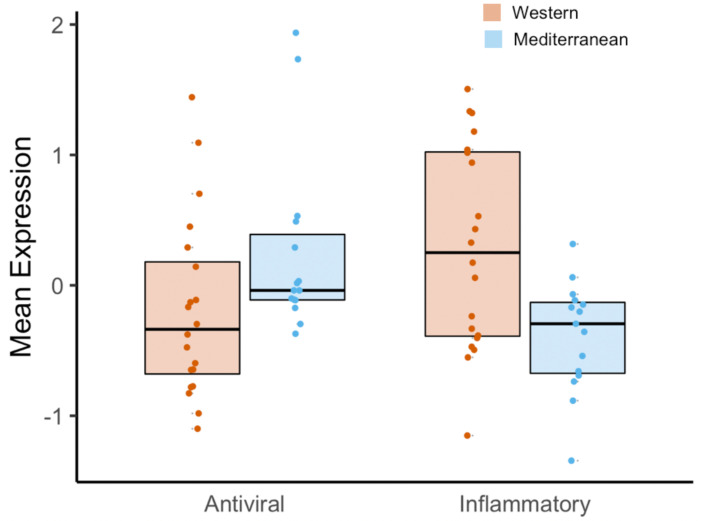
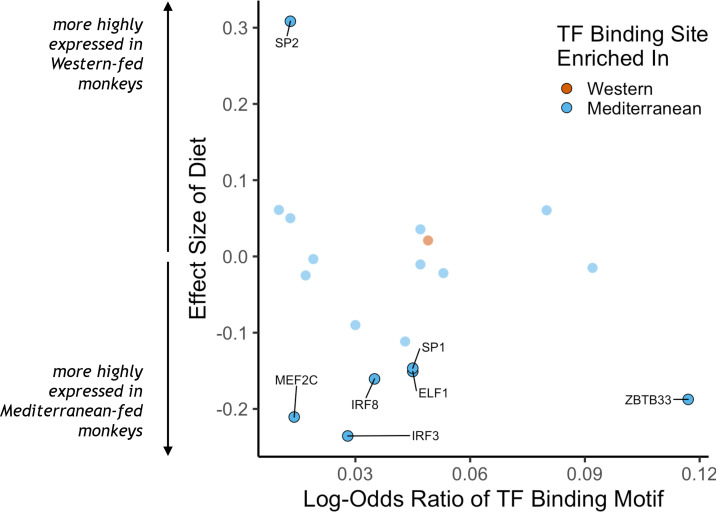
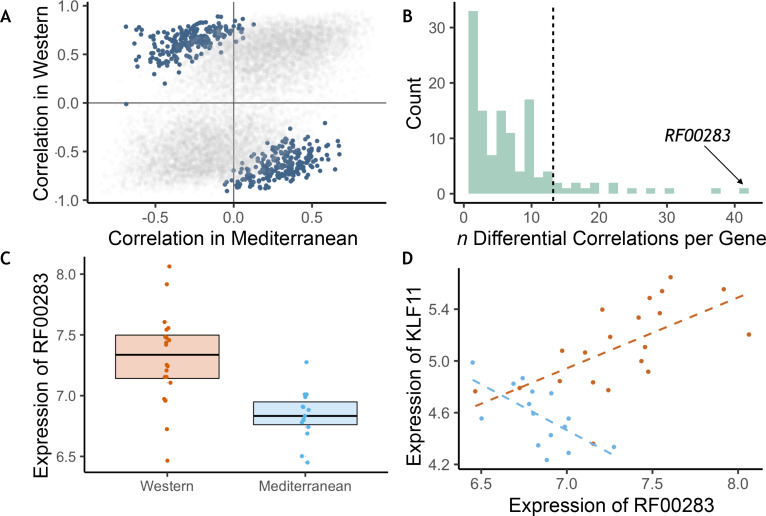
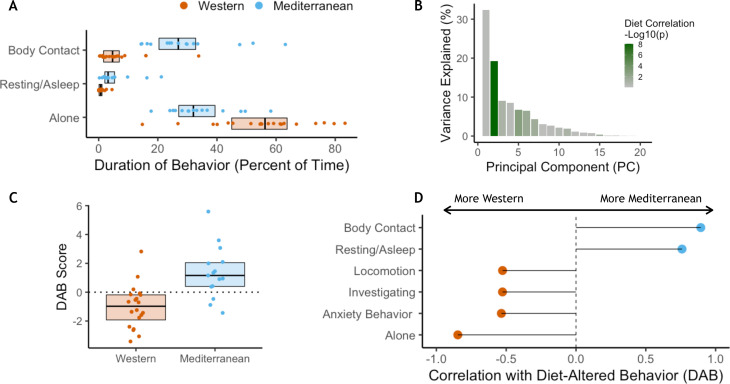
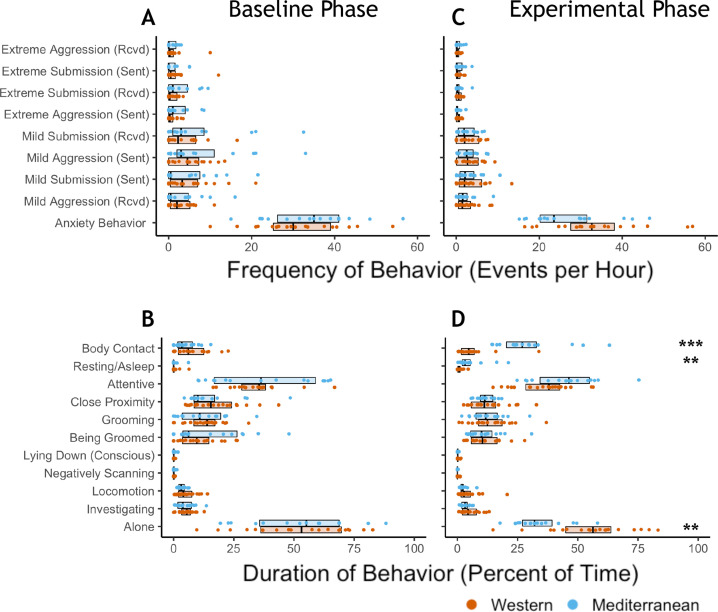
Dietary changes associated with industrialization increase the prevalence of chronic diseases, such as obesity, type II diabetes, and cardiovascular disease. This relationship is often attributed to an 'evolutionary mismatch' between human physiology and modern nutritional environments. Western diets enriched with foods that were scarce throughout human evolutionary history (e.g. simple sugars and saturated fats) promote inflammation and disease relative to diets more akin to ancestral human hunter-gatherer diets, such as a Mediterranean diet. Peripheral blood monocytes, precursors to macrophages and important mediators of innate immunity and inflammation, are sensitive to the environment and may represent a critical intermediate in the pathway linking diet to disease. We evaluated the effects of 15 months of whole diet manipulations mimicking Western or Mediterranean diet patterns on monocyte polarization in a well-established model of human health, the cynomolgus macaque (). Monocyte transcriptional profiles differed markedly between diets, with 40% of transcripts showing differential expression (FDR < 0.05). Monocytes from Western diet consumers were polarized toward a more proinflammatory phenotype. The Western diet shifted the co-expression of 445 gene pairs, including small RNAs and transcription factors associated with metabolism and adiposity in humans, and dramatically altered behavior. For example, Western-fed individuals were more anxious and less socially integrated. These behavioral changes were also associated with some of the effects of diet on gene expression, suggesting an interaction between diet, central nervous system activity, and monocyte gene expression. This study provides new molecular insights into an evolutionary mismatch and uncovers new pathways through which Western diets alter monocyte polarization toward a proinflammatory phenotype.
随着工业化的发展,饮食习惯的改变导致了肥胖、II 型糖尿病和心血管疾病等慢性疾病的高发。这种关联通常归因于人类生理学与现代营养环境之间的“进化不匹配”。富含人类进化史中稀缺食物(如简单糖和饱和脂肪)的西方饮食,相较于更接近人类祖先狩猎采集者饮食的饮食(如地中海饮食),更易引发炎症和疾病。外周血单核细胞是巨噬细胞的前体,也是先天免疫和炎症的重要介质,对外界环境敏感,可能是连接饮食与疾病的途径中的一个关键中间环节。我们评估了模仿西方或地中海饮食模式的为期 15 个月的全饮食干预对已建立的人类健康模型(食蟹猴)中单核细胞极化的影响。饮食之间单核细胞的转录谱差异明显,有 40%的转录本表现出差异表达(FDR<0.05)。西方饮食消费者的单核细胞向更具促炎表型极化。西方饮食改变了 445 对基因对的共表达,包括与人类代谢和肥胖相关的小 RNA 和转录因子,并显著改变了行为。例如,食用西方饮食的个体表现出更多的焦虑和较少的社交融合。这些行为变化也与饮食对基因表达的一些影响有关,提示饮食、中枢神经系统活动和单核细胞基因表达之间存在相互作用。本研究为进化不匹配提供了新的分子见解,并揭示了西方饮食改变单核细胞向促炎表型极化的新途径。