Department PROMISE "G. D'Alessandro", University of Palermo, Palermo, Italy.
Am J Case Rep. 2021 Aug 2;22:e930583. doi: 10.12659/AJCR.930583.
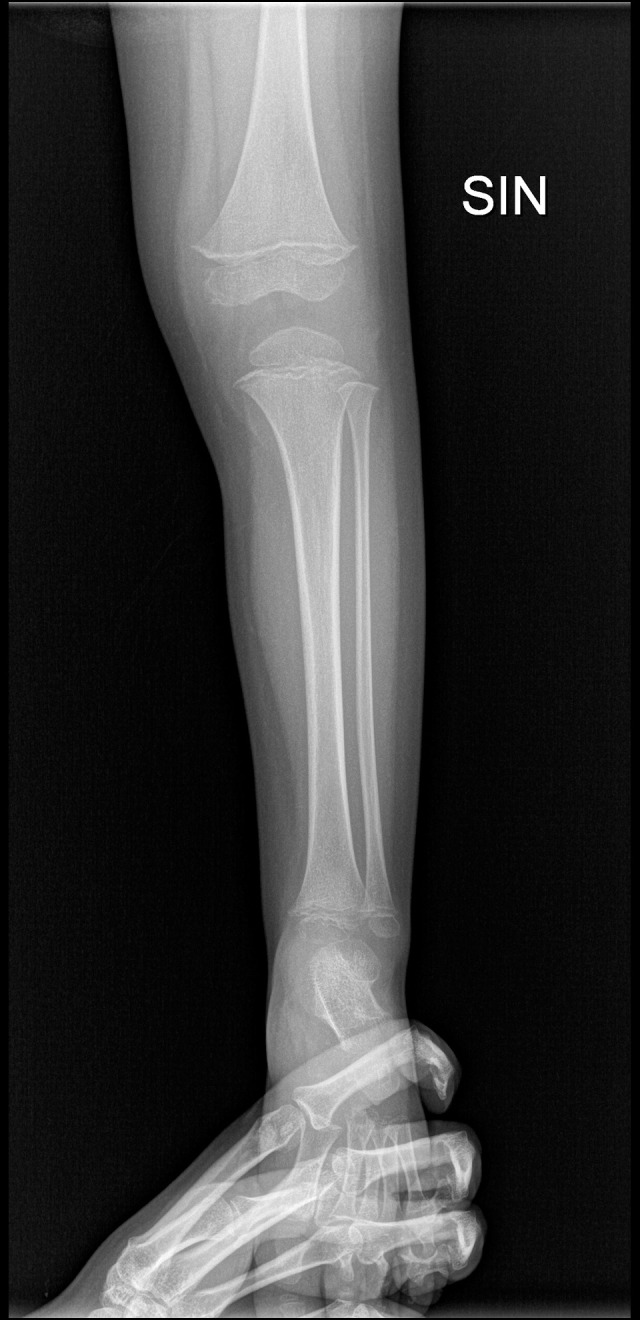
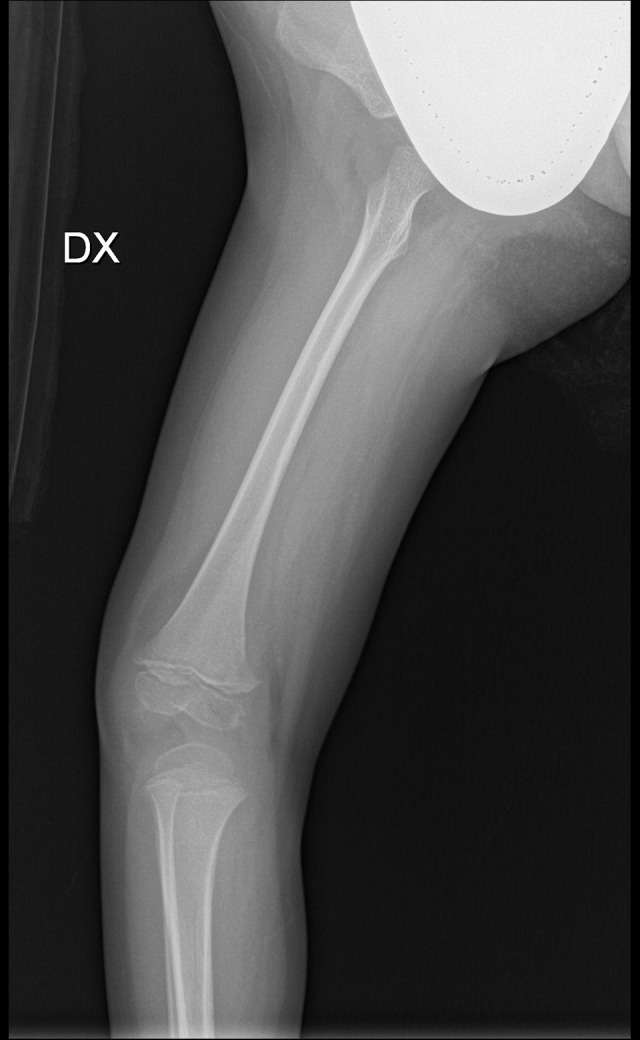
BACKGROUND Scurvy secondary to deficiency of vitamin C is a rare condition in children. The polymorphism of clinical signs and symptoms makes scurvy diagnosis a challenge for the pediatrician. CASE REPORT A 3-year-old girl came to our observation because she refused to walk and to stand, she showed petechiae, follicular hyperkeratosis on the limbs, and bleeding gums. After a physical exam, laboratory tests, and X-ray examinations, we suspected scurvy disease and started treatment with vitamin C. During the hospitalization, some relationship difficulties of the little girl emerged such as absence of eye contact, smiling and laughter without reason, solitary play activities, poor interaction with strangers, non-communicative language, and gestural stereotypes. Therefore, we suspected an autism spectrum disorder, which is often associated with vitamins intake deficiency secondary to food selectivity. After the administration of vitamins, there was a clinical improvement. Due to the suspicion of autism spectrum disorder, the neuropsychiatric team started neuro-psychomotor and speech therapy. CONCLUSIONS This case shows that although the incidence of scurvy has been greatly reduced in Western Europe, this pathology can still manifest itself, especially in vulnerable children, and its prompt diagnosis and therapy are important considering the excellent response to treatment.
儿童因维生素 C 缺乏导致的坏血病较为少见。由于临床表现和症状的多样性,坏血病的诊断对儿科医生来说具有一定挑战。
一名 3 岁女孩因拒绝行走和站立来我院就诊,同时伴有瘀点、四肢毛囊角化过度和牙龈出血。经过体格检查、实验室检查和 X 射线检查,我们怀疑患有坏血病,并开始给予维生素 C 治疗。在住院期间,小女孩出现了一些社交关系困难,例如眼神接触缺失、无故大笑、独自玩耍、与陌生人互动能力差、语言表达能力差和刻板手势等。因此,我们怀疑她患有自闭症谱系障碍,这通常与因挑食导致的维生素摄入不足有关。在给予维生素治疗后,临床症状得到了改善。鉴于自闭症谱系障碍的可能性,神经精神科团队开始进行神经心理运动和言语治疗。
尽管坏血病在西欧的发病率已大大降低,但这种疾病仍可能表现出来,特别是在脆弱的儿童中。及时诊断和治疗非常重要,因为治疗效果极佳。