Department of Pharmacognosy, Faculty of Pharmacy, University of Ibadan, Ibadan, Oyo State, Nigeria.
Department of Pharmacognosy and Drug Development, Faculty of Pharmaceutical Sciences, University of Ilorin, Ilorin, Kwara State, Nigeria.
Virol J. 2021 Aug 4;18(1):161. doi: 10.1186/s12985-021-01628-7.
As frequent viral outbreaks continue to pose threat to public health, the unavailability of antiviral drugs and challenges associated with vaccine development underscore the need for antiviral drugs discovery in emergent moments (endemic or pandemic). Plants in response to microbial and pest attacks are able to produce defence molecules such as antimicrobial peptides as components of their innate immunity, which can be explored for viral therapeutics.
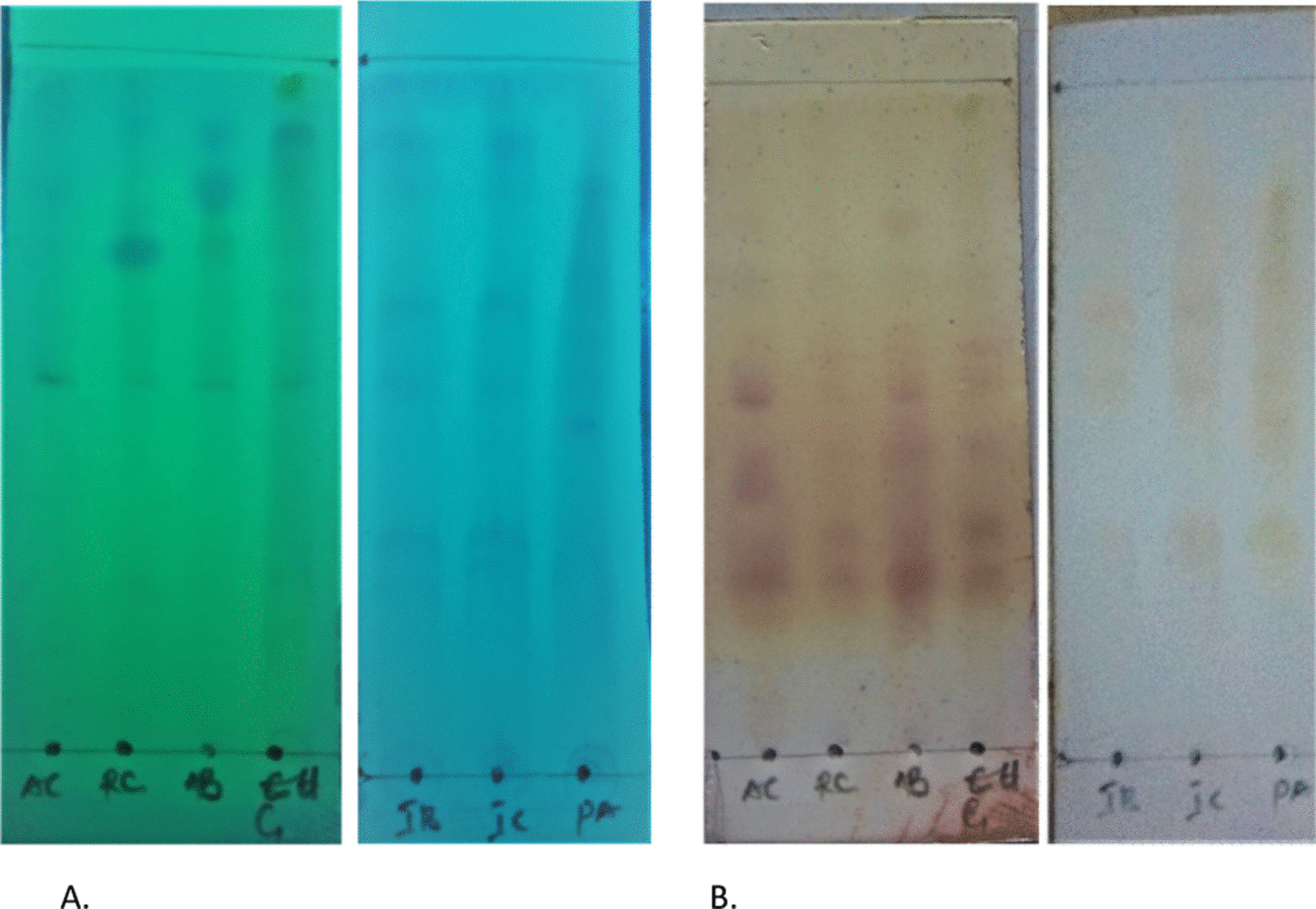
In this study, partially purified peptide-rich fraction (P-PPf) were obtained from aqueous extracts of seven plants by reverse-phase solid-phase extraction and cysteine-rich peptides detected by a modified TLC method. The peptide-enriched fractions and the aqueous (crude polar) were screened for antiviral effect against three non-polio enterovirus species C members using cytopathic effect reduction assay.
In this study, peptide fraction obtained from Euphorbia hirta leaf showed most potent antiviral effect against Coxsackievirus A13, Coxsackievirus A20, and Enterovirus C99 (EV-C99) with IC < 2.0 µg/mL and selective index ≥ 81. EV-C99 was susceptible to all partially purified peptide fractions except Allamanda blanchetii leaf.
These findings establish the antiviral potentials of plants antimicrobial peptides and provides evidence for the anti-infective use of E. hirta in ethnomedicine. This study provides basis for further scientific investigation geared towards the isolation, characterization and mechanistic pharmacological study of the detected cysteine-rich peptides.
随着频繁的病毒爆发继续对公众健康构成威胁,抗病毒药物的缺乏和疫苗开发面临的挑战凸显了在紧急时刻(地方性或大流行)发现抗病毒药物的必要性。植物在应对微生物和害虫侵袭时,能够产生防御分子,如抗菌肽,作为其先天免疫的组成部分,这些防御分子可以被探索用于病毒治疗。
在这项研究中,通过反相固相萃取从七种植物的水提物中获得部分纯化的富含肽的部分(P-PPf),并用改良的 TLC 方法检测半胱氨酸丰富的肽。用细胞病变效应减少测定法筛选富含肽的部分和水相(粗极性)对三种非脊髓灰质炎肠道病毒 C 成员的抗病毒作用。
在这项研究中,从大戟叶中获得的肽部分对柯萨奇病毒 A13、柯萨奇病毒 A20 和肠道病毒 C99(EV-C99)表现出最强的抗病毒作用,IC < 2.0 µg/mL,选择性指数 ≥ 81。除了白花夹竹桃叶外,EV-C99 对所有部分纯化的肽部分都敏感。
这些发现确立了植物抗菌肽的抗病毒潜力,并为民族医学中使用大戟叶的抗感染用途提供了证据。本研究为进一步的科学研究提供了基础,旨在对检测到的富含半胱氨酸的肽进行分离、表征和机制药理学研究。