Department of Human Genetics, Emory University, Atlanta, GA, USA.
Population Biology, Ecology, and Evolution Program, Emory University, Atlanta, GA, USA.
Clin Epigenetics. 2021 Aug 5;13(1):152. doi: 10.1186/s13148-021-01129-y.
Non-alcoholic fatty liver disease (NAFLD) is characterized by changes in cell composition that occur throughout disease pathogenesis, which includes the development of fibrosis in a subset of patients. DNA methylation (DNAm) is a plausible mechanism underlying these shifts, considering that DNAm profiles differ across tissues and cell types, and DNAm may play a role in cell-type differentiation. Previous work investigating the relationship between DNAm and fibrosis in NAFLD has been limited by sample size and the number of CpG sites interrogated.
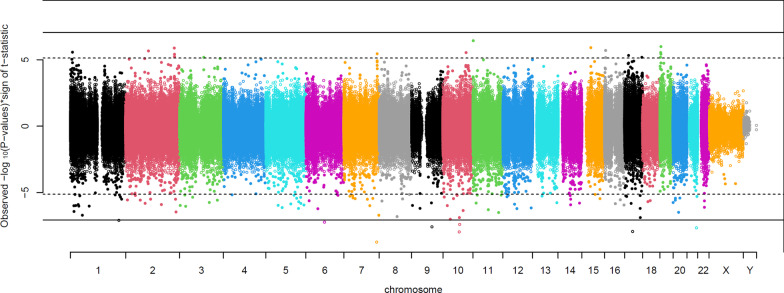
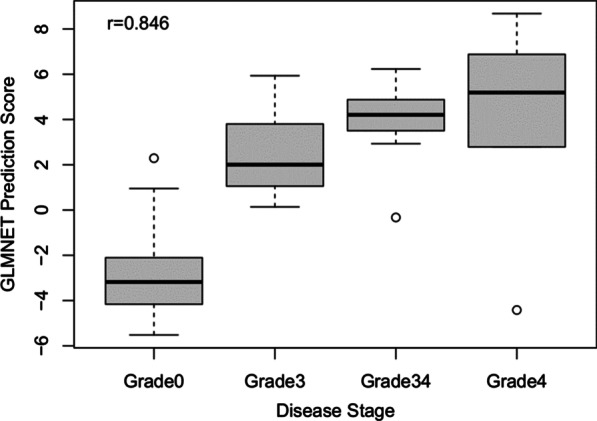
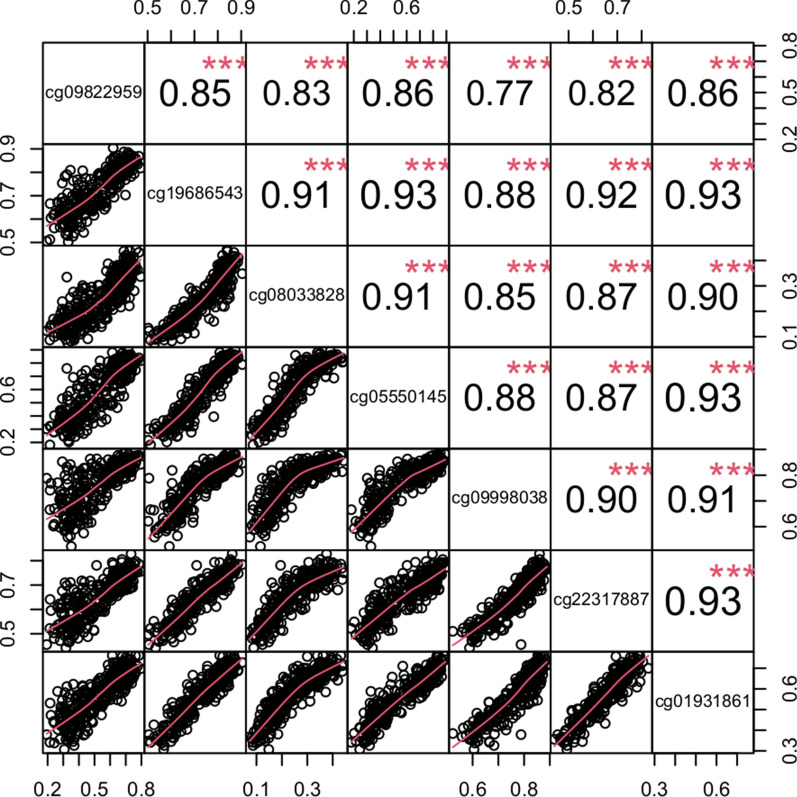
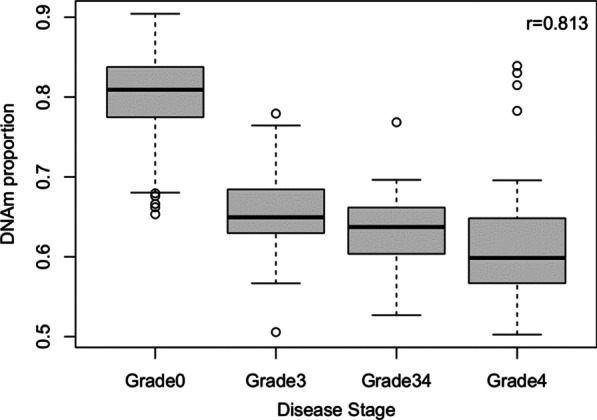
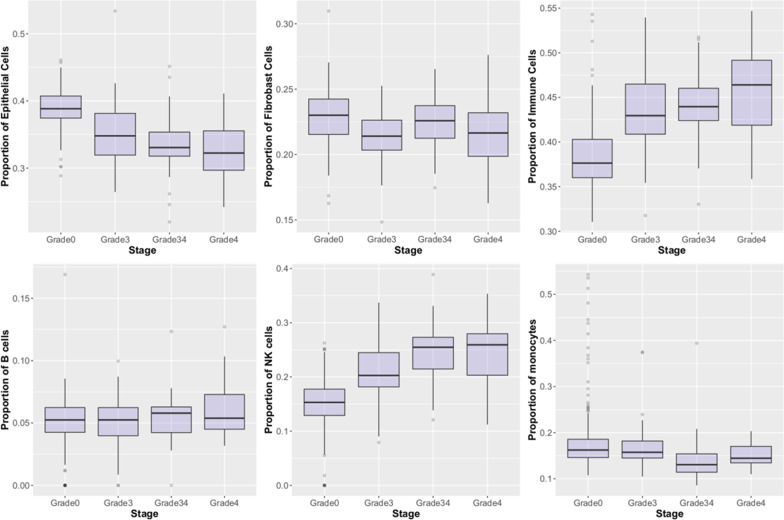
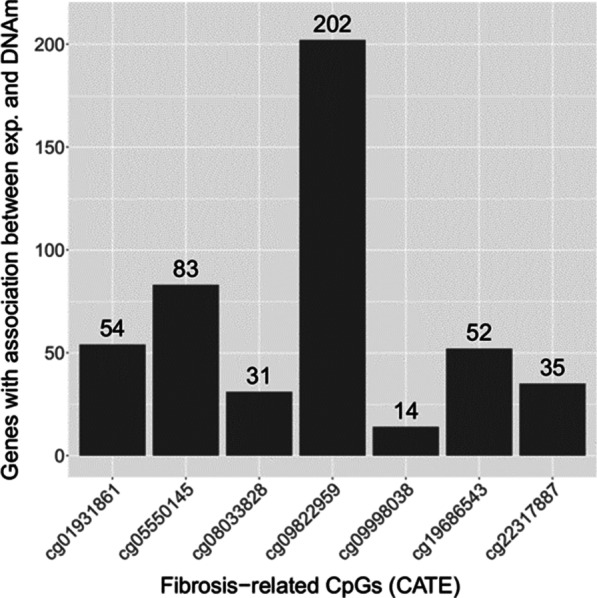
Here, we performed an epigenome-wide analysis using Infinium MethylationEPIC array data from 325 individuals with NAFLD, including 119 with severe fibrosis and 206 with no histological evidence of fibrosis. After adjustment for latent confounders, we identified 7 CpG sites whose DNAm associated with fibrosis (p < 5.96 × 10). Analysis of RNA-seq data collected from a subset of individuals (N = 56) revealed that gene expression at 288 genes associated with DNAm at one or more of the 7 fibrosis-related CpGs. DNAm-based estimates of cell-type proportions showed that estimated proportions of natural killer cells increased, while epithelial cell proportions decreased with disease stage. Finally, we used an elastic net regression model to assess DNAm as a biomarker of fibrotic stage and found that our model predicted fibrosis with a sensitivity of 0.93 and provided information beyond a model based solely on cell-type proportions.
These findings are consistent with DNAm as a mechanism underpinning or marking fibrosis-related shifts in cell composition and demonstrate the potential of DNAm as a possible biomarker of NAFLD fibrosis.
非酒精性脂肪性肝病(NAFLD)的特征是细胞组成发生变化,这种变化贯穿疾病的发病机制,包括一部分患者发生纤维化。考虑到 DNA 甲基化(DNAm)图谱在不同组织和细胞类型中存在差异,并且 DNAm 可能在细胞类型分化中发挥作用,因此 DNAm 是这些变化的一种合理机制。先前研究 DNAm 与 NAFLD 纤维化之间关系的工作受到样本量和检测的 CpG 位点数量的限制。
在这里,我们使用来自 325 名 NAFLD 患者的 Infinium MethylationEPIC 阵列数据进行了全基因组表观遗传分析,其中包括 119 名严重纤维化患者和 206 名无组织学纤维化证据的患者。在调整潜在混杂因素后,我们确定了 7 个 CpG 位点,其 DNAm 与纤维化相关(p<5.96×10)。对从部分个体(N=56)收集的 RNA-seq 数据的分析表明,与 7 个纤维化相关 CpG 中一个或多个相关的 288 个基因的基因表达与 DNAm 相关。基于 DNAm 的细胞类型比例估计表明,自然杀伤细胞的估计比例随着疾病阶段的增加而增加,而上皮细胞的比例则随着疾病阶段的增加而减少。最后,我们使用弹性网络回归模型来评估 DNAm 作为纤维化阶段的生物标志物,并发现我们的模型预测纤维化的敏感性为 0.93,并提供了仅基于细胞类型比例的模型之外的信息。
这些发现与 DNAm 作为纤维化相关细胞组成变化的基础或标记机制一致,并表明 DNAm 作为 NAFLD 纤维化的潜在生物标志物的可能性。