Marsella Rosanna
Department of Small Animal Clinical Sciences, College of Veterinary Medicine, University of Florida, 2015 SW 16th Avenue, Gainesville, FL 32610, USA.
Vet Sci. 2021 Jul 2;8(7):124. doi: 10.3390/vetsci8070124.
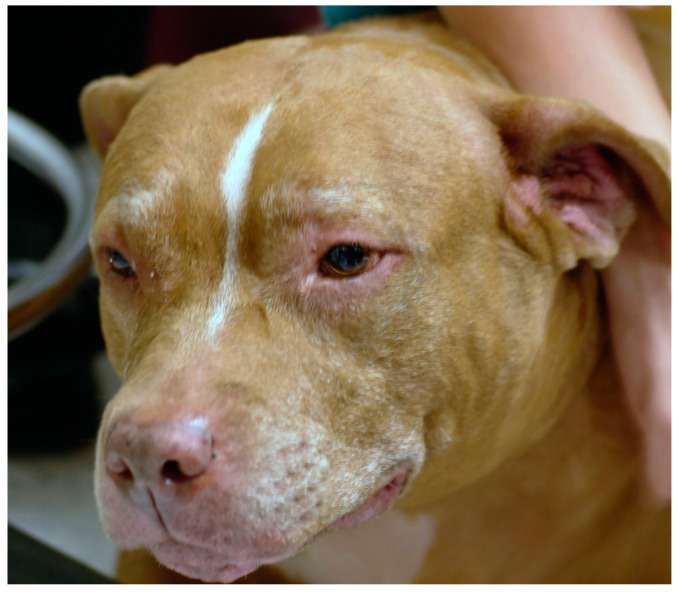
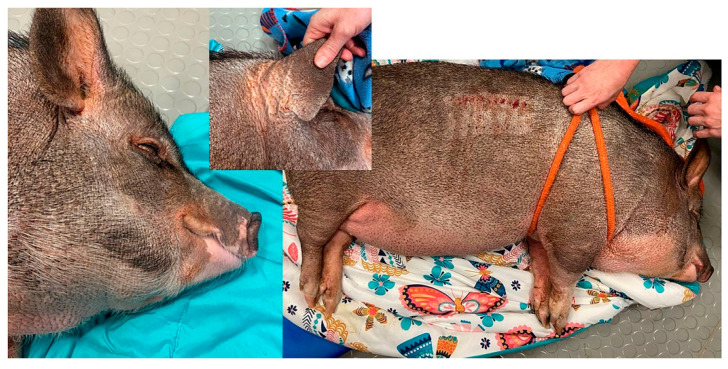
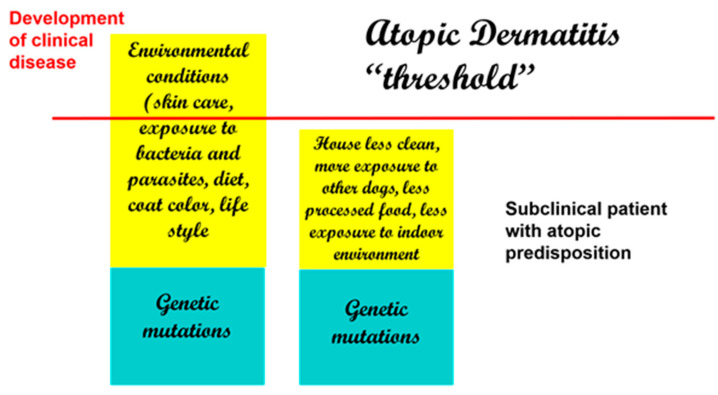
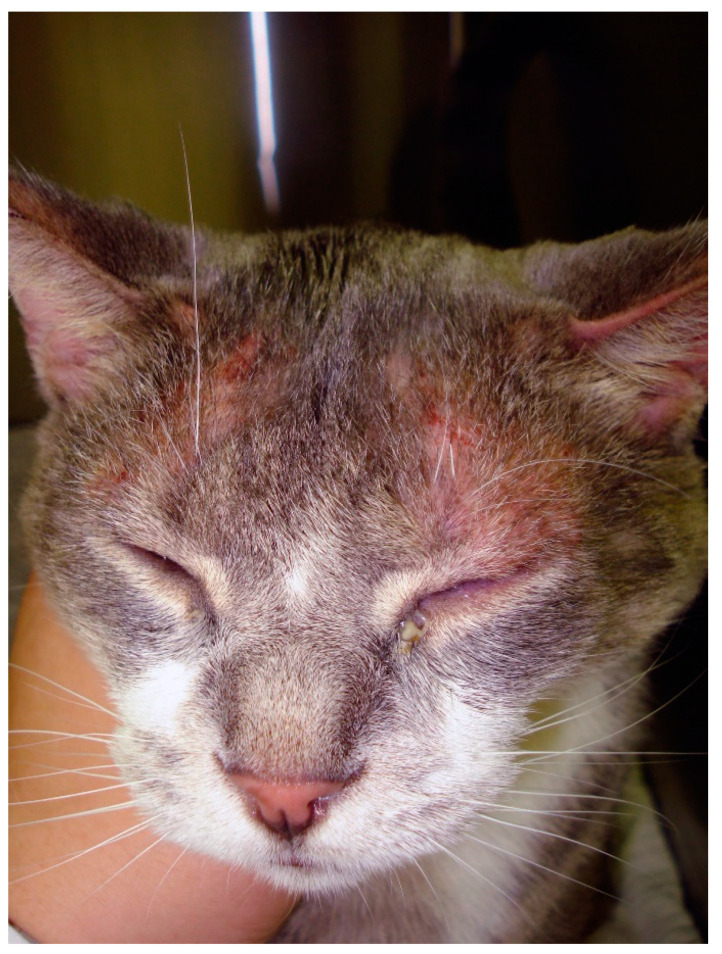
Atopic dermatitis is a clinical syndrome that affects both people and animals. Dogs closely mimic the complexity of the human skin disease, and much progress has been made in recent years in terms of our understanding of the role of skin impairment and the identification of new treatments. Cats and horses also develop atopic syndromes which include both cutaneous and respiratory signs, yet studies in these species are lagging. It is now recognized that atopic dermatitis is not a single disease but a multifaceted clinical syndrome with different pathways in various subgroups of patients. Appreciating this complexity is clinically relevant as we develop more targeted treatments which may work well in some patients but not in others. Different phenotypes of atopic dermatitis have been described in dogs, and it is possible that phenotypes related to breed and age may exist in other animals similar to how they are described in people. The awareness of different mechanisms of disease leads to the desire to correlate different phenotypes with specific biomarkers and responses to treatment. In this review, the current understanding and updated information on atopic syndrome in animals are described, highlighting opportunities for further studies in the future.
特应性皮炎是一种影响人和动物的临床综合征。犬类与人类皮肤疾病的复杂性极为相似,近年来在我们对皮肤损伤作用的理解以及新疗法的识别方面取得了很大进展。猫和马也会出现特应性综合征,包括皮肤和呼吸道症状,但对这些物种的研究仍很滞后。现在人们认识到,特应性皮炎不是单一疾病,而是一种多方面的临床综合征,在不同亚组患者中有不同的发病途径。认识到这种复杂性在临床上具有重要意义,因为我们开发的更具针对性的治疗方法可能对某些患者有效,但对其他患者无效。犬类特应性皮炎已被描述出不同的表型,在其他动物中可能也存在与品种和年龄相关的表型,就像在人类中所描述的那样。对疾病不同机制的认识引发了将不同表型与特定生物标志物及治疗反应相关联的愿望。在这篇综述中,描述了目前对动物特应性综合征的理解和最新信息,突出了未来进一步研究的机会。