Chigbu DeGaulle I, Labib Bisant A
Pennsylvania College of Optometry at Salus University, 8360 Old York Road, Elkins Park, PA 19027, USA.
Pharmaceuticals (Basel). 2021 Jul 9;14(7):658. doi: 10.3390/ph14070658.
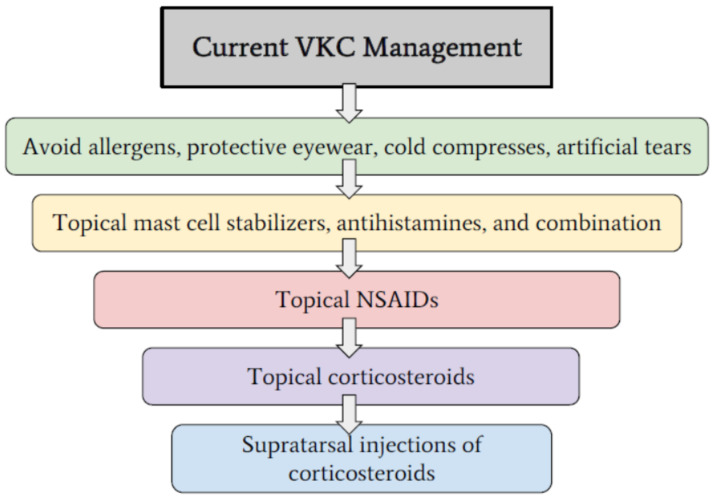
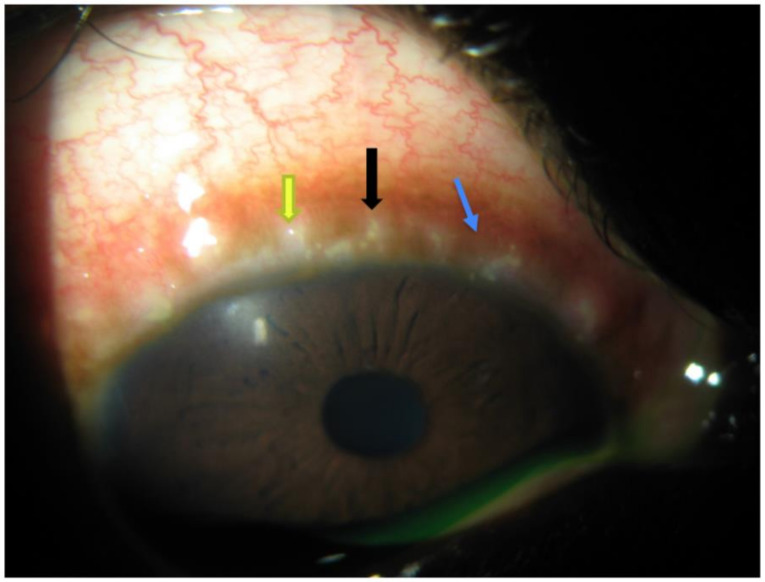
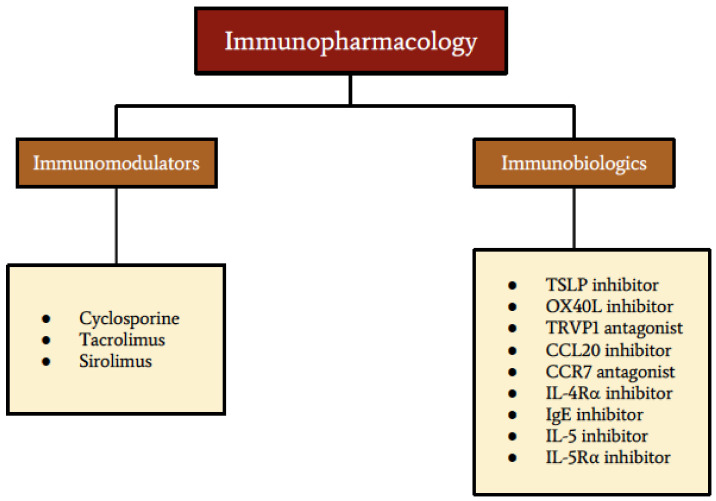
Vernal keratoconjunctivitis (VKC) is a complex and chronic, multifactorial Th2 cell-mediated chronic ocular surface inflammatory condition that typically affects predominantly male children in hot or warm climates. The primary symptom is intense ocular pruritus, often significant enough to affect activities of daily living. Clinical features differ from simple forms of allergic conjunctivitis in that they are more-or-less confined to the superior tarsus and limbus. There is also a risk of corneal involvement, which leads to irreversible vision loss in approximately 6% of patients. Right now, there is no standardized treatment protocol, and many of the currently available options are not effective in severe and recurrent cases. As such, it is imperative to understand this complex allergic immune response in order to identify future therapeutic targets. This review will focus on potential drug targets in VKC, with particular emphasis on immunomodulators and immunobiologic agents.
春季角结膜炎(VKC)是一种复杂的慢性、多因素的Th2细胞介导的慢性眼表炎症性疾病,通常主要影响炎热或温暖气候地区的男性儿童。主要症状是强烈的眼部瘙痒,严重程度常足以影响日常生活活动。其临床特征与单纯形式的过敏性结膜炎不同,因为它们或多或少局限于上睑板和角膜缘。还存在角膜受累的风险,约6%的患者会因此导致不可逆的视力丧失。目前,尚无标准化的治疗方案,而且许多现有的治疗选择对严重和复发性病例无效。因此,了解这种复杂的过敏免疫反应以确定未来的治疗靶点至关重要。本综述将聚焦于VKC中的潜在药物靶点,特别强调免疫调节剂和免疫生物制剂。