Cofelice Martina, Cinelli Giuseppe, Lopez Francesco, Di Renzo Tiziana, Coppola Raffaele, Reale Anna
Department of Agricultural, Environmental and Food Sciences (DiAAA) and Center for Colloid and Surface Science (CSGI), University of Molise, Via De Sanctis, I-86100 Campobasso, Italy.
Institute of Food Sciences, National Research Council (CNR-ISA), Via Roma 64, 83100 Avellino, Italy.
Foods. 2021 Jul 2;10(7):1528. doi: 10.3390/foods10071528.
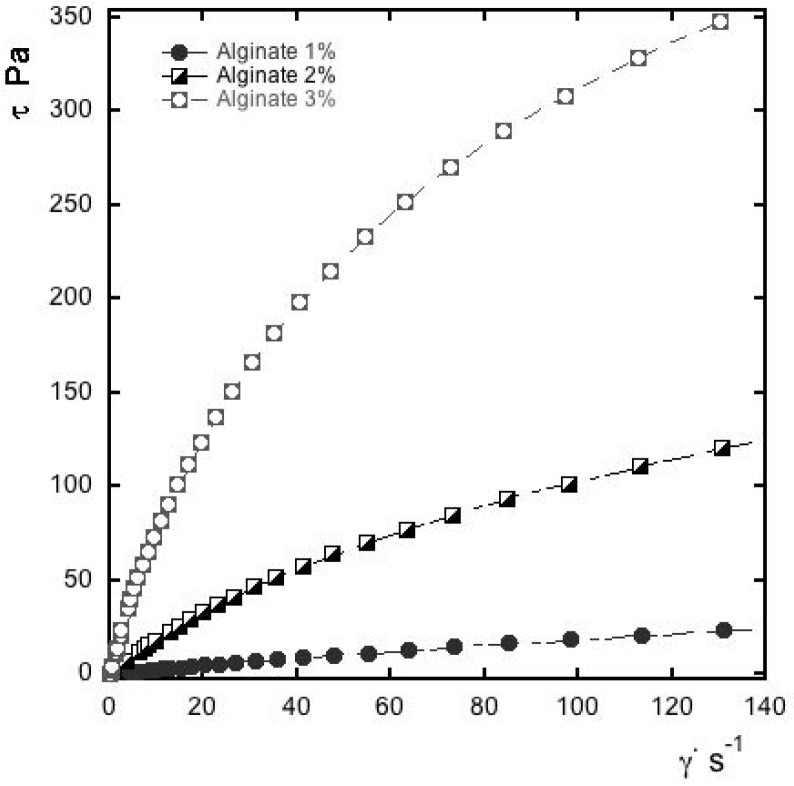
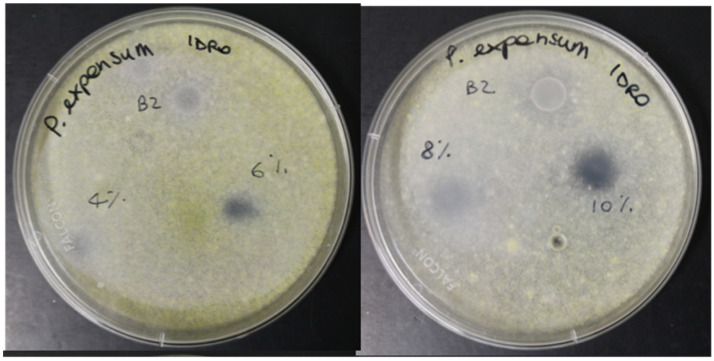
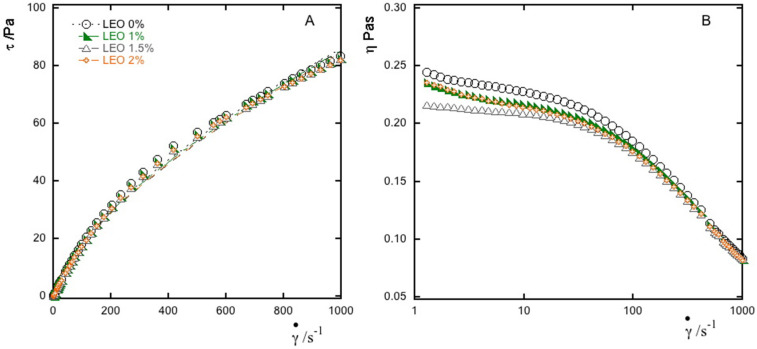
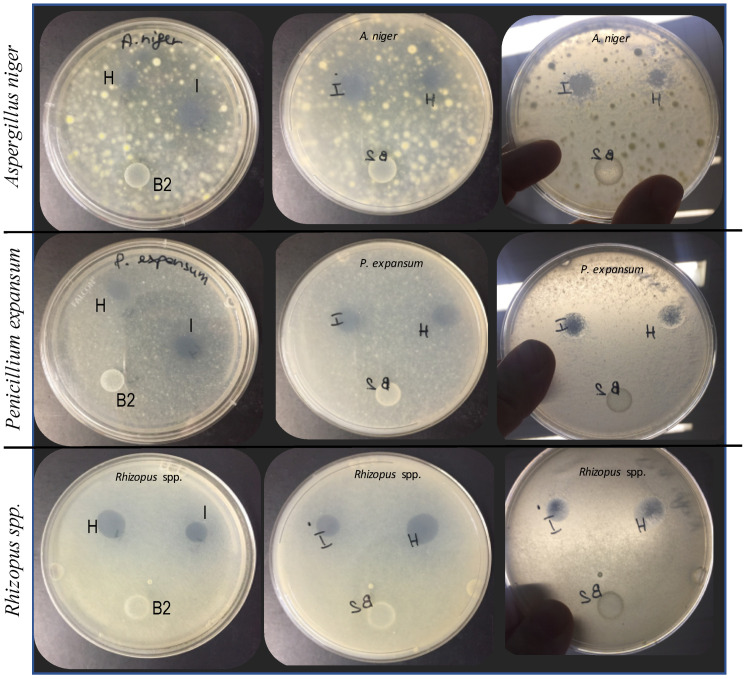
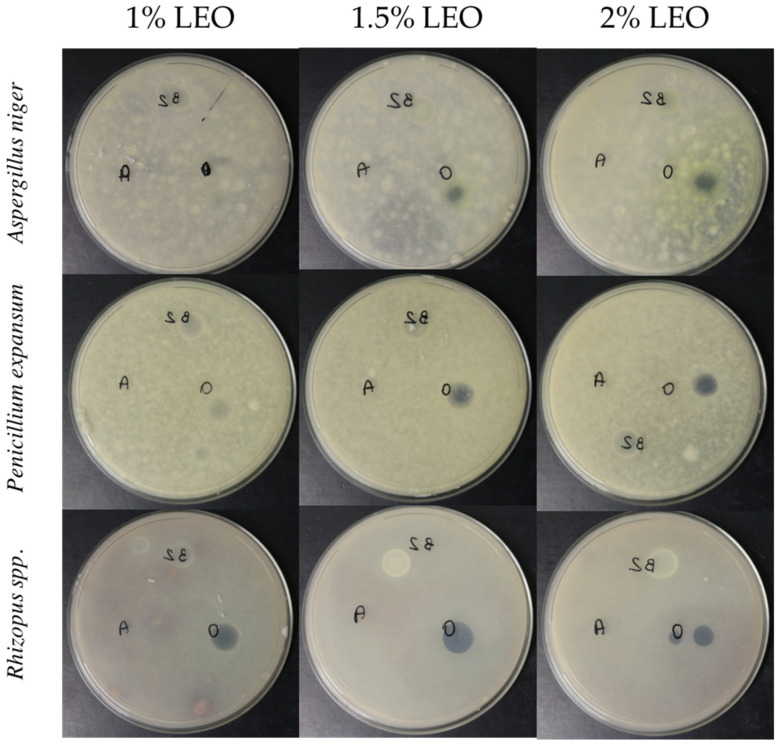
The use of natural compounds as food preservatives is becoming increasingly popular as it is perceived positively by consumers. Among these substances, essential oils have attracted great interest owing to their antioxidant and antimicrobial properties. However, several challenges impair the use of essential oils in food products, such as their degradation or loss during food processing and storage, the strong aroma, even at low concentrations, which may negatively affect the sensory characteristics of food. In this context, the development of nanoformulations able to stabilize essential oils may represent a smart solution to this issue. The aim of the study was to evaluate the efficiency of alginate-based nanoformulations enriched with lemongrass () essential oil (LEO) and Tween 80 against several fungi namely , and spp. Firstly, the flow behavior of systems at different concentrations of alginate (1%, 2% and 3% /) were studied. Then, emulsion-based nanoformulations at different concentrations of lemongrass essential oil in the range of 0-2% / were stabilized by a fixed amount of Tween 80, characterized and tested for their antifungal activity. Our results showed that the best nanoformulation able to inhibit spp., and , for at least 10 days, was constituted by 1% alginate/1.5% LEO/1% Tween 80. Hence, the incorporation of essential oil into nanoformulation systems may represent a valid alternative to overcome the disadvantages that limit the commercial application of essential oils.
天然化合物作为食品防腐剂的应用越来越普遍,因为消费者对其持积极看法。在这些物质中,精油因其抗氧化和抗菌特性而备受关注。然而,精油在食品中的应用面临一些挑战,例如在食品加工和储存过程中会降解或损失,即使浓度很低也会有强烈的香气,这可能会对食品的感官特性产生负面影响。在这种情况下,开发能够稳定精油的纳米制剂可能是解决这个问题的明智方案。本研究的目的是评估富含柠檬草()精油(LEO)和吐温80的藻酸盐基纳米制剂对几种真菌,即、和 spp.的抑制效果。首先,研究了不同藻酸盐浓度(1%、2%和3% /)体系的流动行为。然后,用固定量的吐温80稳定不同浓度(0 - 2% /)柠檬草精油的乳液基纳米制剂,对其进行表征并测试抗真菌活性。我们的结果表明,能够抑制 spp.、和至少10天的最佳纳米制剂由1%藻酸盐/1.5% LEO/1%吐温80组成。因此,将精油纳入纳米制剂系统可能是克服限制精油商业应用缺点的有效替代方法。