Rockefeller Neuroscience Institute, West Virginia University, Morgantown, WV 26505, USA.
Int J Environ Res Public Health. 2021 Jul 31;18(15):8143. doi: 10.3390/ijerph18158143.
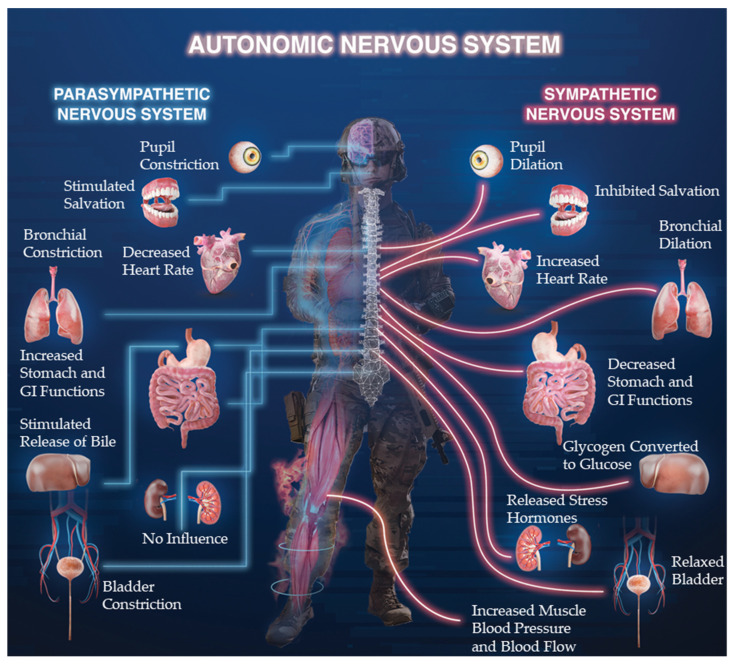
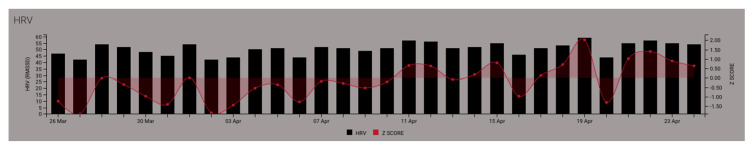
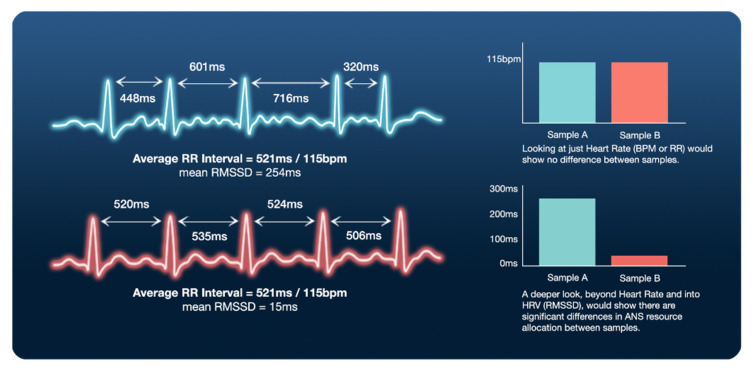
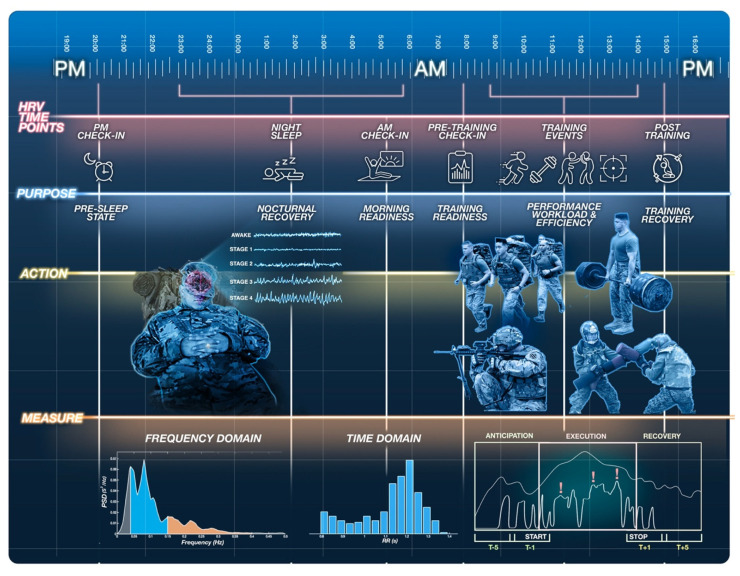
Human performance optimization of tactical personnel requires accurate, meticulous, and effective monitoring of biological adaptations and systemic recovery. Due to an increased understanding of its importance and the commercial availability of assessment tools, the use of heart rate variability (HRV) to address this need is becoming more common in the tactical community. Measuring HRV is a non-invasive, practical method for objectively assessing a performer's readiness, workload, and recovery status; when combined with additional data sources and practitioner input, it provides an affordable and scalable solution for gaining actionable information to support the facilitation and maintenance of operational performance. This narrative review discusses the non-clinical use of HRV for assessing, monitoring, and interpreting autonomic nervous system resource availability, modulation, effectiveness, and efficiency in tactical populations. Broadly, HRV metrics represent a complex series of interactions resulting from internal and external stimuli; therefore, a general overview of HRV applications in tactical personnel is discussed, including the influence of occupational specific demands, interactions between cognitive and physical domains, and recommendations on implementing HRV for training and recovery insights into critical health and performance outcomes.
要优化战术人员的表现,就需要准确、细致、有效地监测生物适应和系统恢复。由于人们越来越重视这一点,以及评估工具的商业可用性,心率变异性(HRV)在战术领域的应用也越来越普遍。测量 HRV 是一种非侵入性、实用的方法,可客观评估执行者的准备状态、工作量和恢复状态;当与其他数据源和从业者的意见相结合时,它为获取支持促进和维持作战绩效的可操作信息提供了一种经济实惠且可扩展的解决方案。本叙述性综述讨论了 HRV 在评估、监测和解释战术人群自主神经系统资源可用性、调节、有效性和效率方面的非临床应用。广义而言,HRV 指标代表了一系列复杂的相互作用,这些相互作用源于内部和外部刺激;因此,讨论了 HRV 在战术人员中的广泛应用,包括职业特定需求的影响、认知和身体领域之间的相互作用,以及关于实施 HRV 以洞察关键健康和绩效结果的培训和恢复建议。