Bustamante-Sánchez Álvaro, Tornero-Aguilera José Francisco, Fernández-Elías Valentín E, Hormeño-Holgado Alberto J, Dalamitros Athanasios A, Clemente-Suárez Vicente Javier
Universidad Europea de Madrid, Faculty of Sport Sciences, Madrid, Spain.
Studies Centre in Applied Combat (CESCA), Toledo, Spain.
Cardiol Res Pract. 2020 Aug 11;2020:7986249. doi: 10.1155/2020/7986249. eCollection 2020.
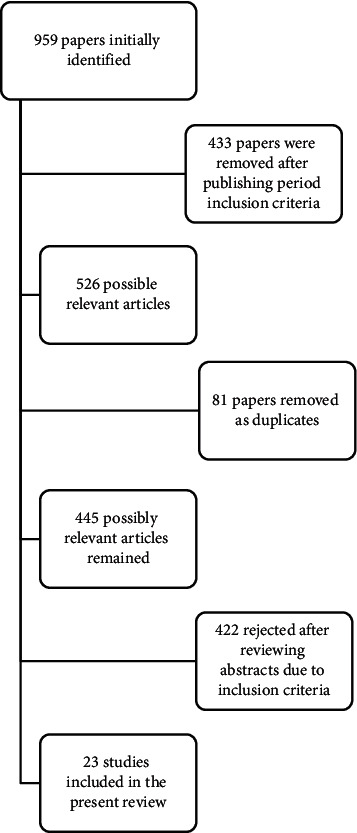
Stress is regulated by the autonomous nervous system, increasing the sympathetic modulation when a threat is perceived. A multifactorial response usually leads to significant behavioural modifications and alterations on homeostasis and physical and psychological status. Moreover, stress is an emotional response that can lead to psychosocial and psychophysiological adversity. Regarding military population, military operations and combat exposure are important stressors that influence acute and chronic stress response in soldiers, affecting their performance and health. A bibliographic search was carried out between April and May 2019, focusing on recent studies (2013-2019) that analysed psychophysiological response, stress, stress regulation, heart rate, heart rate variability, and posttraumatic stress disorder in military population. Autonomic and cardiovascular chronic stress seems to be modulated by experience and previous specific training of each military unit. Physical exercise, music embedded with binaural beat technology, bidirectional sensory motor rhythm training, heart rate variability biofeedback, and transcutaneous vagal nerve stimulation are the main techniques applied to balance stress and to recover body homeostasis. Since military population are usually exposed to multiple stressors, knowing previous training and experience, together with developing techniques to balance stress, is the main practical application in this field of study to balance autonomic and cardiovascular systems.
压力由自主神经系统调节,当察觉到威胁时会增强交感神经调节。多因素反应通常会导致显著的行为改变以及体内平衡、身体和心理状态的变化。此外,压力是一种情绪反应,可能导致心理社会和心理生理方面的逆境。对于军事人员而言,军事行动和战斗经历是重要的压力源,会影响士兵的急性和慢性应激反应,进而影响他们的表现和健康。于2019年4月至5月进行了文献检索,重点关注2013年至2019年期间分析军事人员心理生理反应、压力、压力调节、心率、心率变异性和创伤后应激障碍的最新研究。自主神经和心血管慢性压力似乎受到每个军事单位的经验和先前特定训练的调节。体育锻炼、融入双耳节拍技术的音乐、双向感觉运动节律训练、心率变异性生物反馈和经皮迷走神经刺激是用于平衡压力和恢复身体内稳态的主要技术。由于军事人员通常会接触多种压力源,了解先前的训练和经验,以及开发平衡压力的技术,是该研究领域平衡自主神经和心血管系统的主要实际应用。