Department of Life Sciences, University of Siena, Via Aldo Moro, 2, 53100 Siena, Italy.
Functional Proteomics Laboratory, Department of Life Sciences, University of Siena, Via Aldo Moro, 2, 53100 Siena, Italy.
Int J Mol Sci. 2021 Jul 25;22(15):7933. doi: 10.3390/ijms22157933.
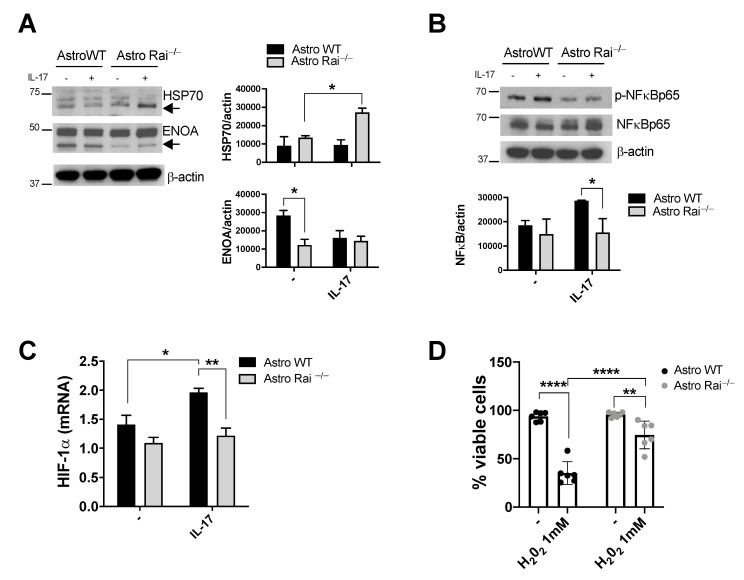
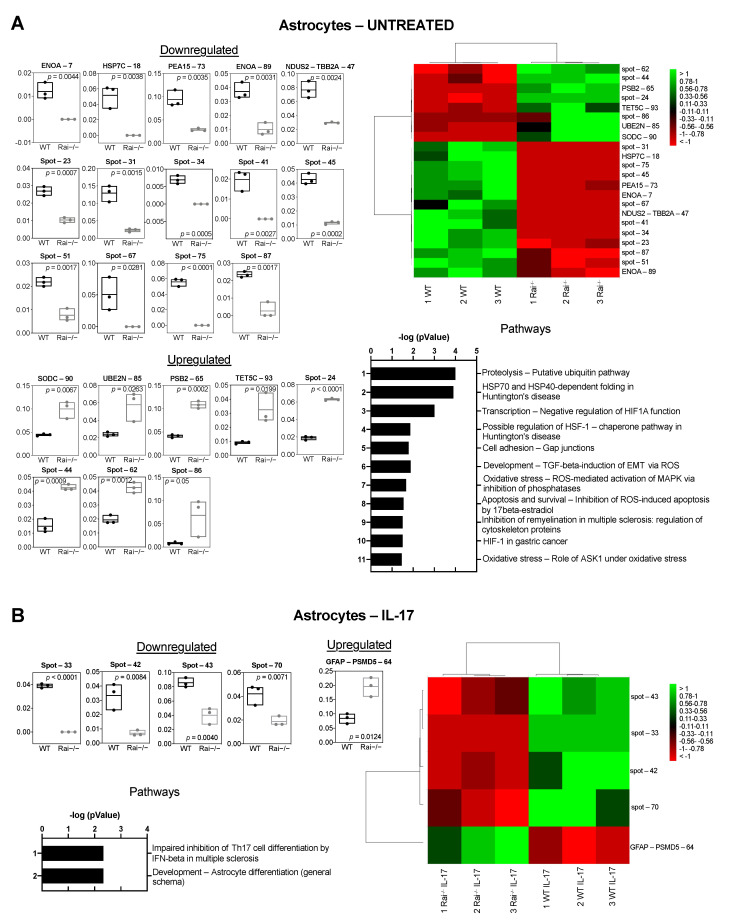
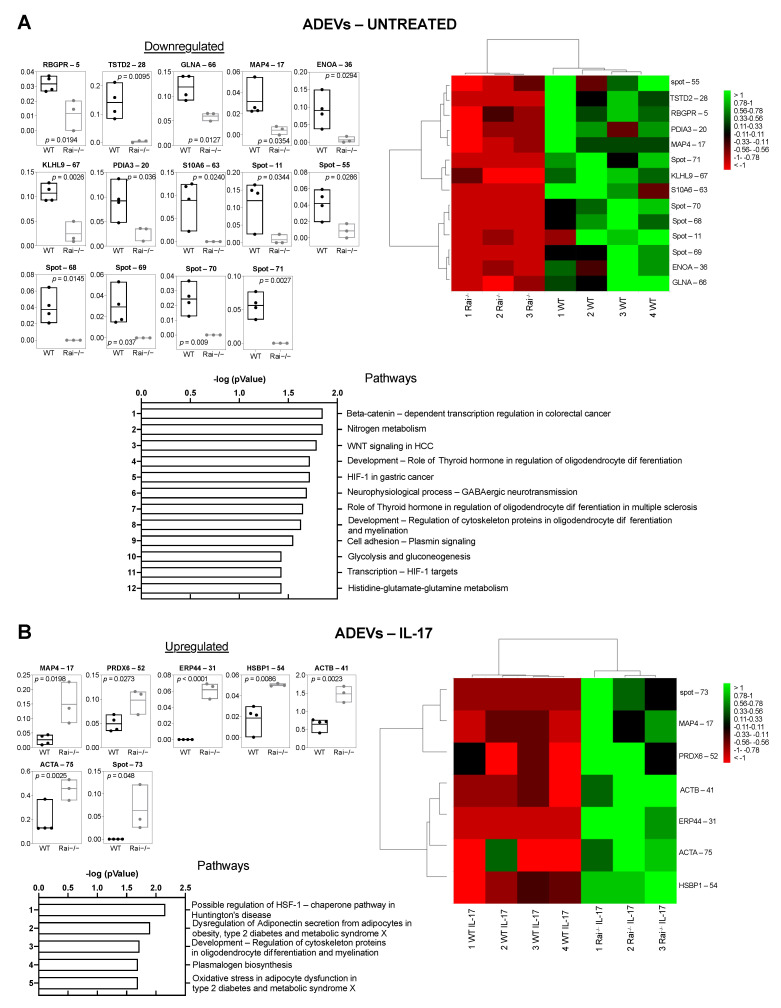
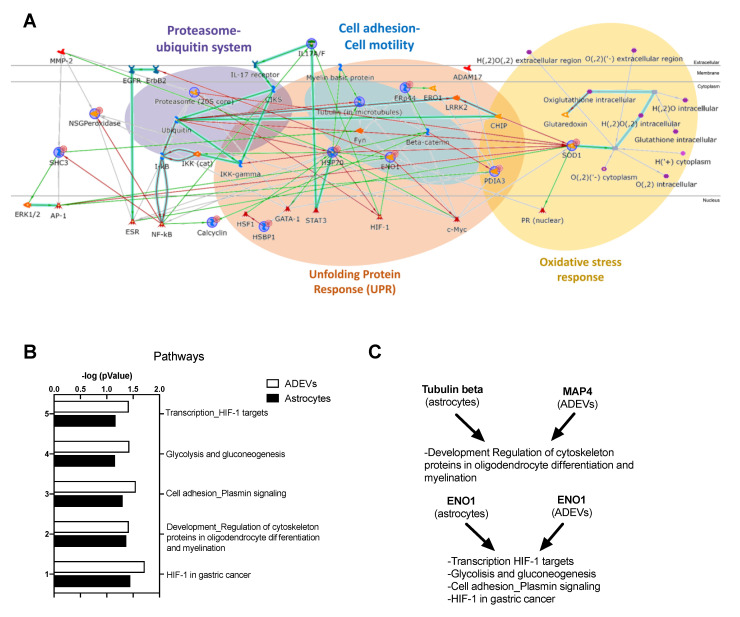
Reactive astrocytes are a hallmark of neurodegenerative disease including multiple sclerosis. It is widely accepted that astrocytes may adopt alternative phenotypes depending on a combination of environmental cues and intrinsic features in a highly plastic and heterogeneous manner. However, we still lack a full understanding of signals and associated signaling pathways driving astrocyte reaction and of the mechanisms by which they drive disease. We have previously shown in the experimental autoimmune encephalomyelitis mouse model that deficiency of the molecular adaptor Rai reduces disease severity and demyelination. Moreover, using primary mouse astrocytes, we showed that Rai contributes to the generation of a pro-inflammatory central nervous system (CNS) microenvironment through the production of nitric oxide and IL-6 and by impairing CD39 activity in response to soluble factors released by encephalitogenic T cells. Here, we investigated the impact of Rai expression on astrocyte function both under basal conditions and in response to IL-17 treatment using a proteomic approach. We found that astrocytes and astrocyte-derived extracellular vesicles contain a set of proteins, to which Rai contributes, that are involved in the regulation of oligodendrocyte differentiation and myelination, nitrogen metabolism, and oxidative stress. The HIF-1α pathway and cellular energetic metabolism were the most statistically relevant molecular pathways and were related to ENOA and HSP70 dysregulation.
反应性星形胶质细胞是包括多发性硬化症在内的神经退行性疾病的标志。人们普遍认为,星形胶质细胞可能会根据环境线索和内在特征的组合,以高度可塑性和异质性的方式采用替代表型。然而,我们仍然缺乏对驱动星形胶质细胞反应的信号及其相关信号通路的全面理解,也缺乏对它们驱动疾病的机制的理解。我们之前在实验性自身免疫性脑脊髓炎小鼠模型中表明,分子接头 Rai 的缺失可降低疾病严重程度和脱髓鞘。此外,我们使用原代小鼠星形胶质细胞表明,Rai 通过产生一氧化氮和白细胞介素 6 并通过损害对致脑炎 T 细胞释放的可溶性因子的 CD39 活性,有助于产生促炎的中枢神经系统 (CNS) 微环境。在这里,我们使用蛋白质组学方法研究了 Rai 表达对基础条件下和对白细胞介素 17 治疗的星形胶质细胞功能的影响。我们发现星形胶质细胞和星形胶质细胞衍生的细胞外囊泡含有一组蛋白质,其中包括 Rai 参与的蛋白质,这些蛋白质参与调节少突胶质细胞分化和髓鞘形成、氮代谢和氧化应激。HIF-1α 通路和细胞能量代谢是最具统计学意义的分子通路,与 ENOA 和 HSP70 失调有关。