Department of Life Sciences, University of Siena, Siena, Italy.
Department of Experimental Oncology, European Institute of Oncology, Milan, Italy.
Front Immunol. 2019 May 10;10:1041. doi: 10.3389/fimmu.2019.01041. eCollection 2019.
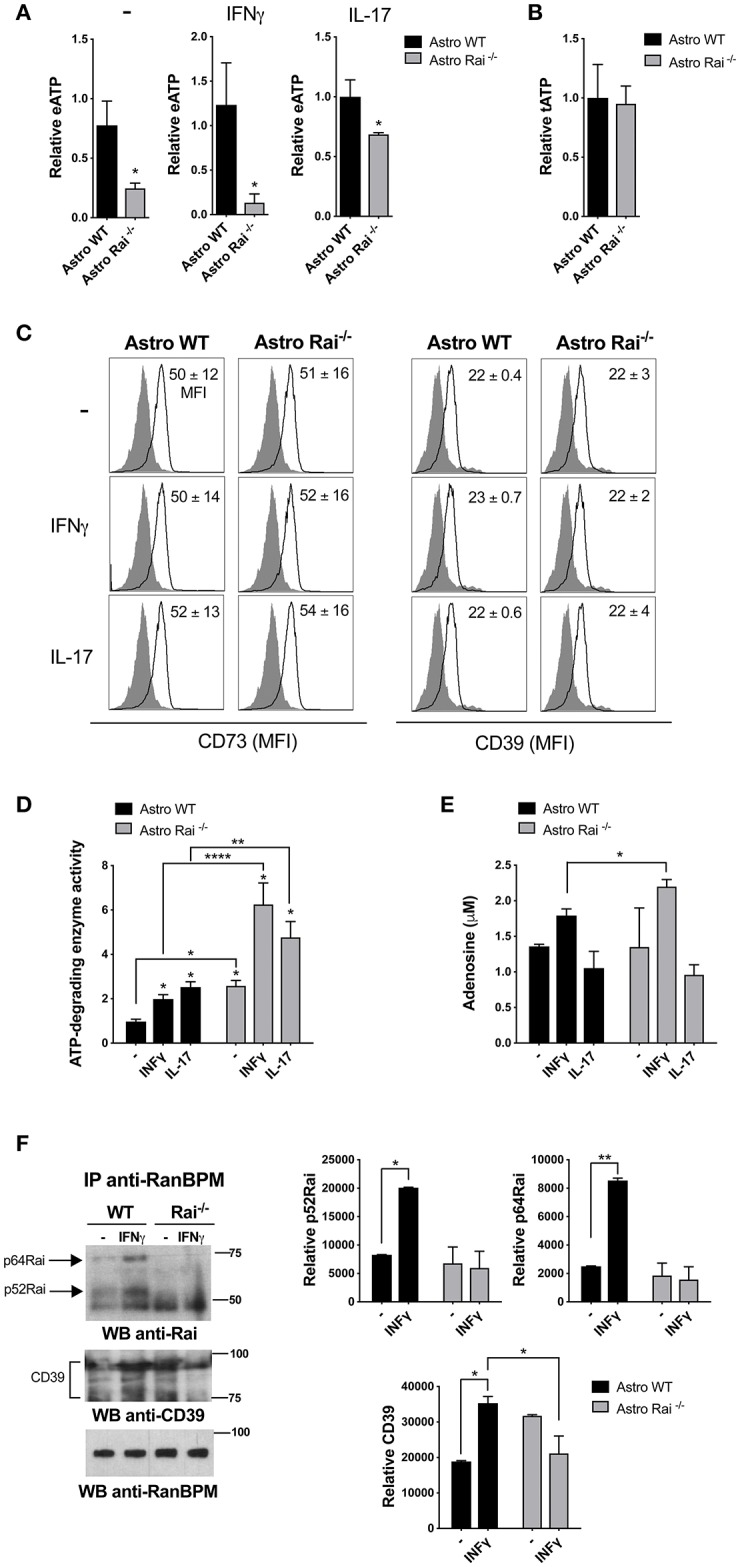
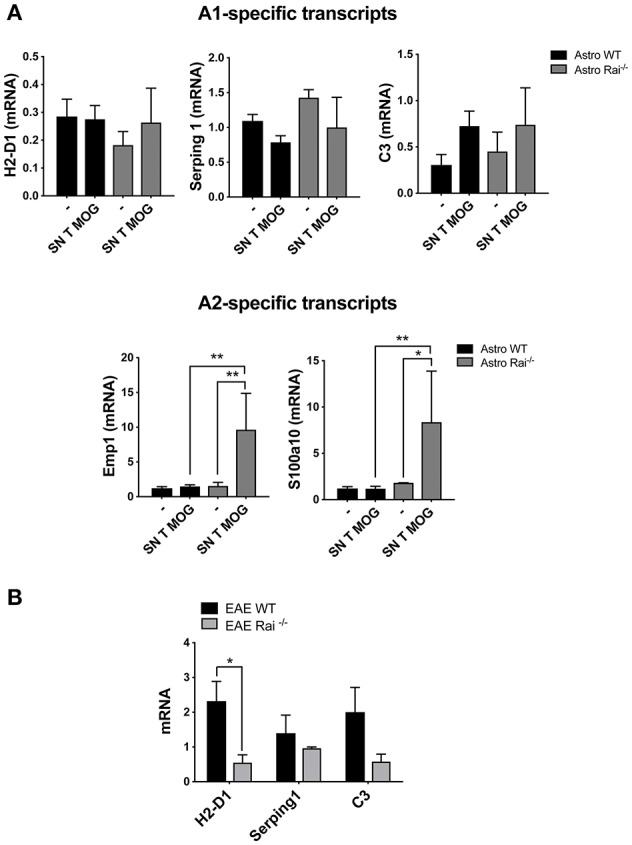
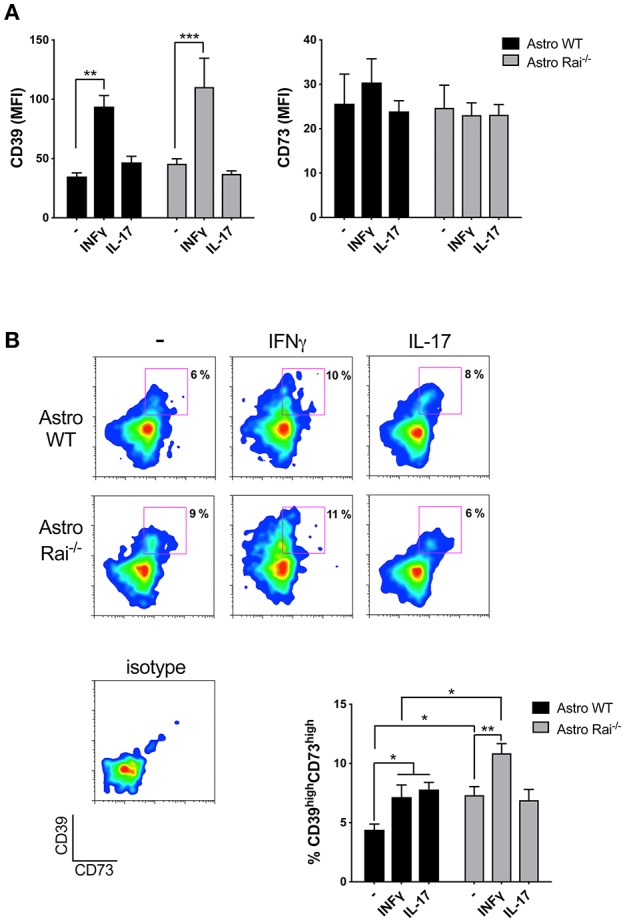
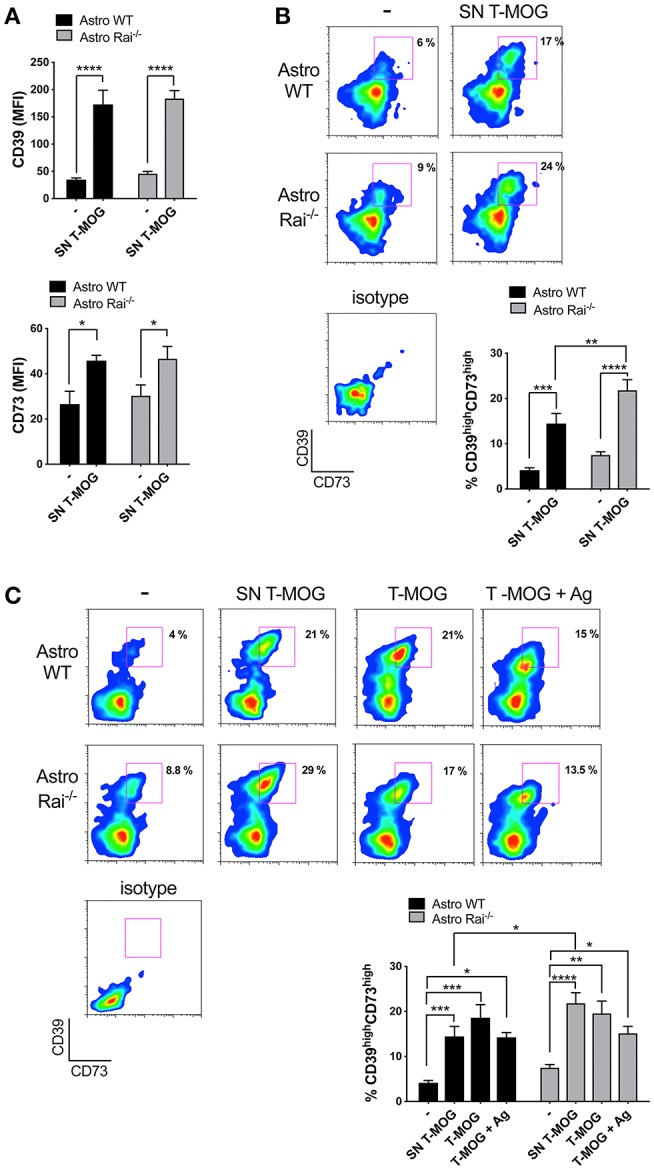
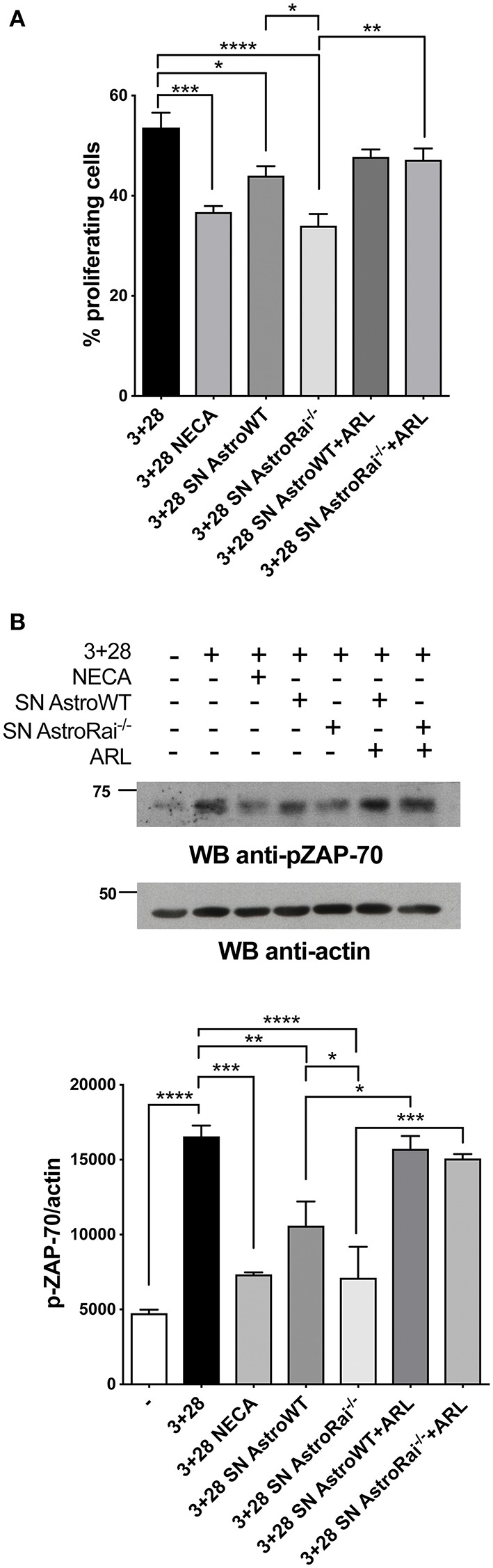
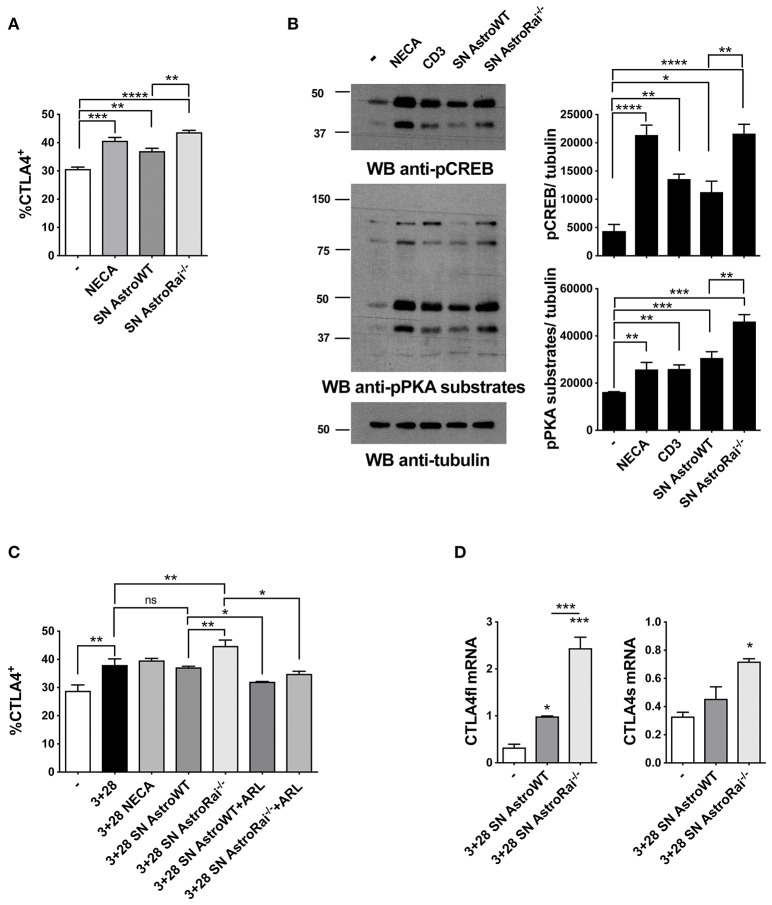
Multiple sclerosis is an autoimmune disease caused by autoreactive immune cell infiltration into the central nervous system leading to inflammation, demyelination, and neuronal loss. While myelin-reactive Th1 and Th17 are centrally implicated in multiple sclerosis pathogenesis, the local CNS microenvironment, which is shaped by both infiltrated immune cells and central nervous system resident cells, has emerged a key player in disease onset and progression. We have recently demonstrated that ShcC/Rai is as a novel astrocytic adaptor whose loss in mice protects from experimental autoimmune encephalomyelitis. Here, we have explored the mechanisms that underlie the ability of Rai astrocytes to antagonize T cell-dependent neuroinflammation. We show that Rai deficiency enhances the ability of astrocytes to upregulate the expression and activity of the ectonucleotidase CD39, which catalyzes the conversion of extracellular ATP to the immunosuppressive metabolite adenosine, through both contact-dependent and-independent mechanisms. As a result, Rai-deficient astrocytes acquire an enhanced ability to suppress T-cell proliferation, which involves suppression of T cell receptor signaling and upregulation of the inhibitory receptor CTLA-4. Additionally, Rai-deficient astrocytes preferentially polarize to the neuroprotective A2 phenotype. These results identify a new mechanism, to which Rai contributes to a major extent, by which astrocytes modulate the pathogenic potential of autoreactive T cells.
多发性硬化症是一种自身免疫性疾病,由自身反应性免疫细胞浸润中枢神经系统引起炎症、脱髓鞘和神经元丢失。虽然髓鞘反应性 Th1 和 Th17 在多发性硬化症发病机制中起核心作用,但局部中枢神经系统微环境,由浸润的免疫细胞和中枢神经系统固有细胞共同塑造,已成为疾病发作和进展的关键因素。我们最近证明,ShcC/Rai 是一种新型星形胶质细胞衔接蛋白,其在小鼠中的缺失可防止实验性自身免疫性脑脊髓炎。在这里,我们探索了 Rai 星形胶质细胞拮抗 T 细胞依赖性神经炎症的能力的潜在机制。我们表明,Rai 缺失增强了星形胶质细胞上调细胞外核苷酸酶 CD39 表达和活性的能力,通过接触依赖和非接触依赖机制。结果,Rai 缺失的星形胶质细胞获得了增强的抑制 T 细胞增殖的能力,这涉及抑制 T 细胞受体信号和抑制性受体 CTLA-4 的上调。此外,Rai 缺失的星形胶质细胞优先向具有神经保护作用的 A2 表型极化。这些结果确定了一种新的机制,Rai 在很大程度上促进了星形胶质细胞调节自身反应性 T 细胞的致病潜力。