Department of Nephrology, Hypertension and Family Medicine, Medical University of Lodz, 90-549 Lodz, Poland.
Int J Mol Sci. 2021 Jul 28;22(15):8081. doi: 10.3390/ijms22158081.
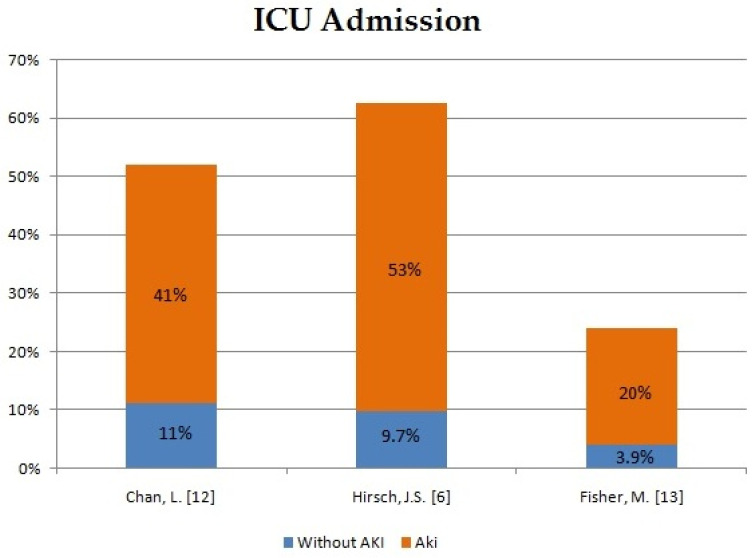
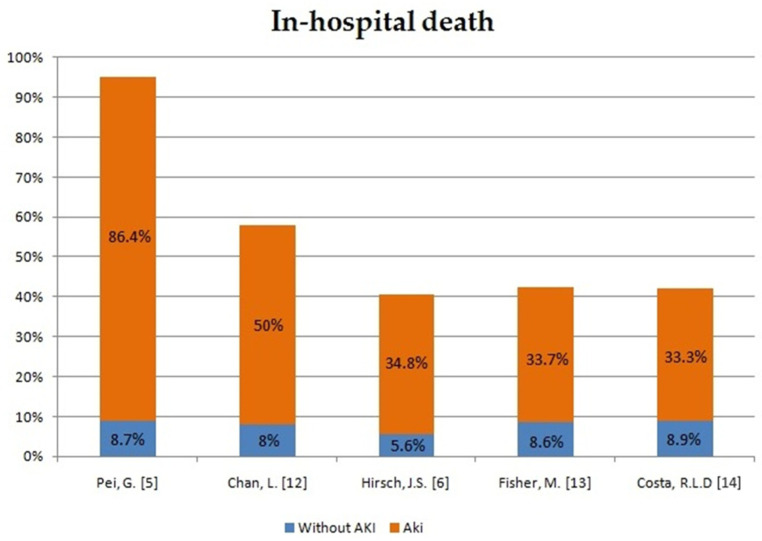
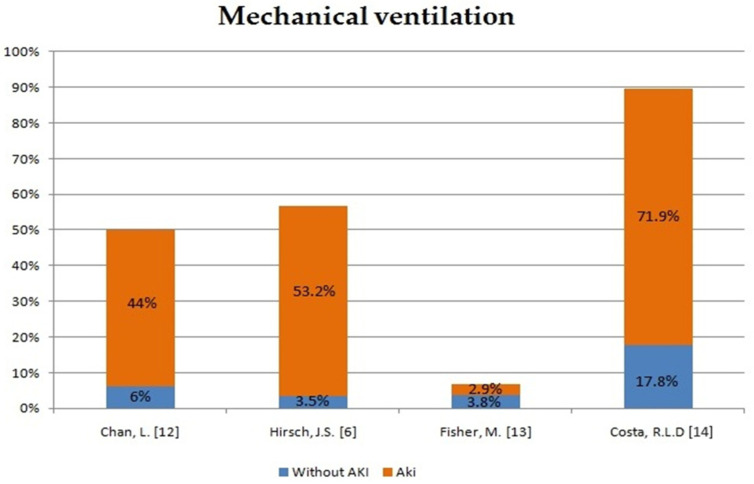
COVID-19 is mainly considered a respiratory illness, but since SARS-CoV-2 uses the angiotensin converting enzyme 2 receptor (ACE2) to enter human cells, the kidney is also a target of the viral infection. Acute kidney injury (AKI) is the most alarming condition in COVID-19 patients. Recent studies have confirmed the direct entry of SARS-CoV-2 into the renal cells, namely podocytes and proximal tubular cells, but this is not the only pathomechanism of kidney damage. Hypovolemia, cytokine storm and collapsing glomerulopathy also play an important role. An increasing number of papers suggest a strong association between AKI development and higher mortality in COVID-19 patients, hence our interest in the matter. Although knowledge about the role of kidneys in SARS-CoV-2 infection is changing dynamically and is yet to be fully investigated, we present an insight into the possible pathomechanisms of AKI in COVID-19, its clinical features, risk factors, impact on hospitalization and possible ways for its management via renal replacement therapy.
新型冠状病毒病(COVID-19)主要被认为是一种呼吸道疾病,但由于严重急性呼吸综合征冠状病毒 2(SARS-CoV-2)利用血管紧张素转化酶 2 受体(ACE2)进入人体细胞,肾脏也是病毒感染的靶器官。急性肾损伤(AKI)是 COVID-19 患者中最令人担忧的情况。最近的研究证实了 SARS-CoV-2 直接进入肾脏细胞,即足细胞和近端肾小管细胞,但这不是肾脏损伤的唯一发病机制。低血容量、细胞因子风暴和塌陷性肾小球病也起着重要作用。越来越多的论文表明,AKI 的发展与 COVID-19 患者的高死亡率之间存在很强的关联,因此我们对此非常关注。尽管关于肾脏在 SARS-CoV-2 感染中的作用的知识正在动态变化,尚未得到充分研究,但我们对 COVID-19 中 AKI 的可能发病机制、其临床特征、危险因素、对住院的影响以及通过肾脏替代治疗进行管理的可能方法进行了深入了解。