ELKH-UD Vascular Biology and Myocardial Pathophysiology Research Group, Division of Nephrology, Department of Medicine, Faculty of Medicine, Hungarian Academy of Sciences, H-4032 Debrecen, Hungary.
Nephrology Research and Training Center, Division of Nephrology, Department of Medicine, University of Alabama at Birmingham, 618 Zeigler Research Building, 703 South 19th Street, Birmingham, AL 35294, USA.
Int J Mol Sci. 2021 Jul 30;22(15):8174. doi: 10.3390/ijms22158174.
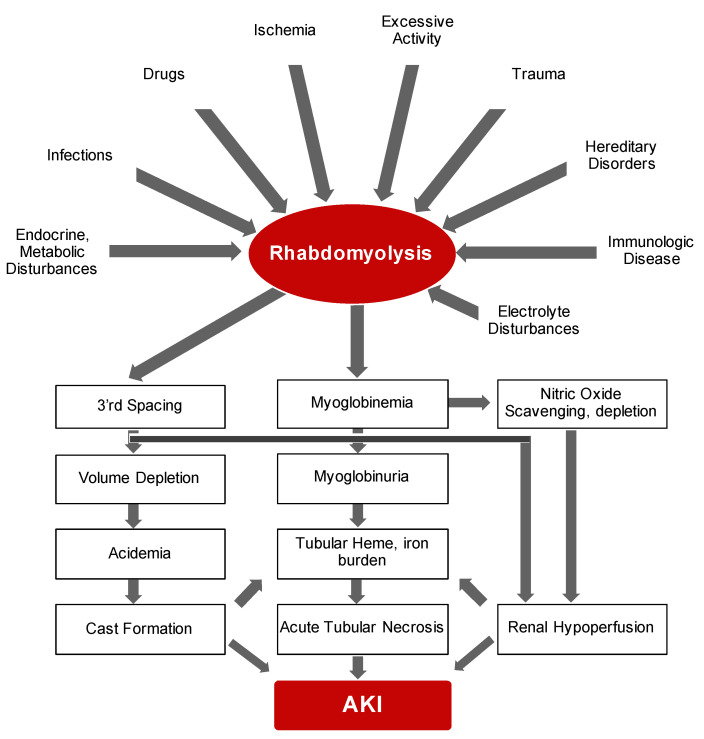
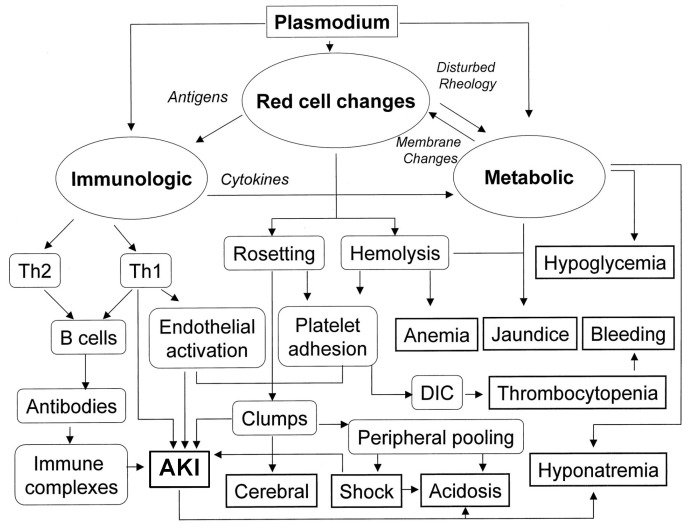
With iron at its core, the tetrapyrrole heme ring is a cardinal prosthetic group made up of many proteins that participate in a wide array of cellular functions and metabolism. Once released, due to its pro-oxidant properties, free heme in sufficient amounts can result in injurious effects to the kidney and other organs. Heme oxygenase-1 (HO-1) has evolved to promptly attend to such injurious potential by facilitating degradation of heme into equimolar amounts of carbon monoxide, iron, and biliverdin. HO-1 induction is a beneficial response to tissue injury in diverse animal models of diseases, including those that affect the kidney. These protective attributes are mainly due to: (i) prompt degradation of heme leading to restraining potential hazardous effects of free heme, and (ii) generation of byproducts that along with induction of ferritin have proven beneficial in a number of pathological conditions. This review will focus on describing clinical aspects of some of the conditions with the unifying end-result of increased heme burden and will discuss the molecular mechanisms that ensue to protect the kidneys.
以铁为核心,四吡咯血红素环是由许多参与广泛细胞功能和代谢的蛋白质组成的重要辅基。一旦释放,由于其促氧化剂特性,大量游离血红素会对肾脏和其他器官造成伤害。血红素加氧酶-1(HO-1)的进化是为了通过促进血红素降解为等摩尔量的一氧化碳、铁和胆绿素来迅速应对这种潜在的伤害。HO-1 的诱导是对包括肾脏疾病在内的多种动物疾病模型中组织损伤的有益反应。这些保护特性主要归因于:(i)血红素的迅速降解导致抑制游离血红素的潜在有害作用,以及(ii)生成的副产物与铁蛋白的诱导一起,在许多病理情况下被证明是有益的。这篇综述将重点描述一些与血红素负荷增加的统一终末结果相关的疾病的临床方面,并讨论随之而来的保护肾脏的分子机制。