
模拟烤瓷烧制会影响铸造和烧结钴铬合金的耐腐蚀性能吗?
Does Simulated Porcelain Firing Influence Corrosion Properties of Casted and Sintered CoCr Alloys?
作者信息
Rylska Dorota, Sokolowski Grzegorz, Lukomska-Szymanska Monika
机构信息
Institute of Materials Science and Engineering, Lodz University of Technology, 1/15 Stefanowskiego St., 90-924 Lodz, Poland.
Department of Prosthetics, Medical University of Lodz, 251 Pomorska St., 92-213 Lodz, Poland.
出版信息
Materials (Basel). 2021 Jul 26;14(15):4147. doi: 10.3390/ma14154147.
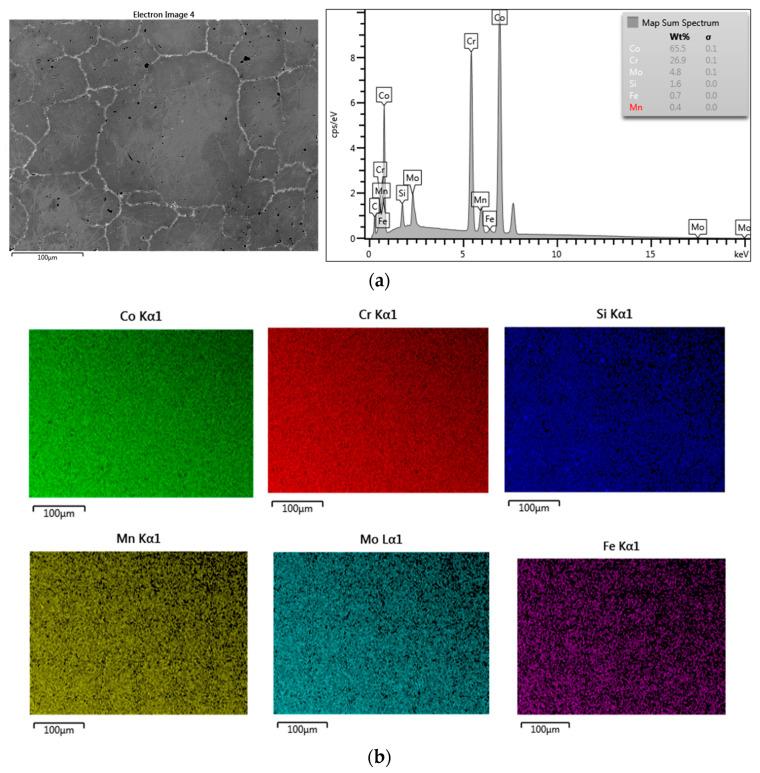
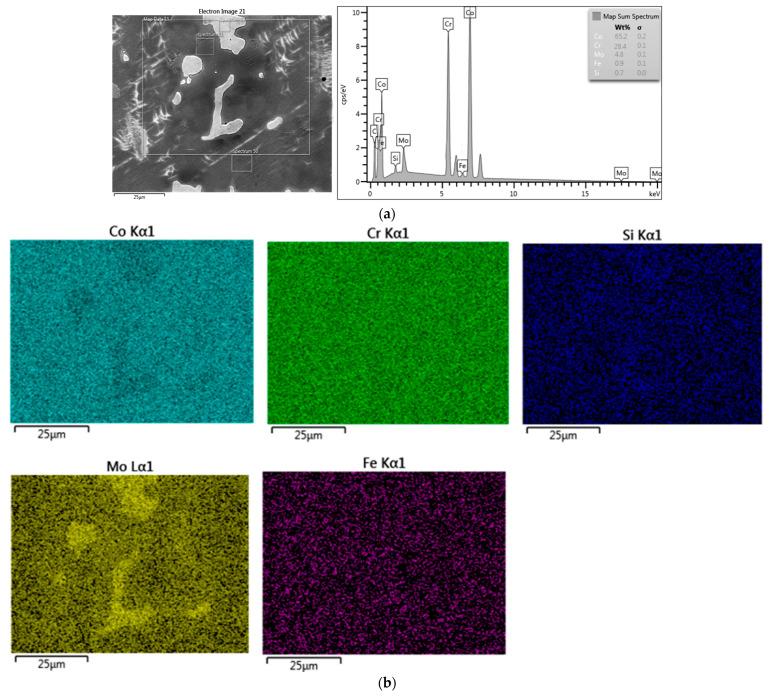
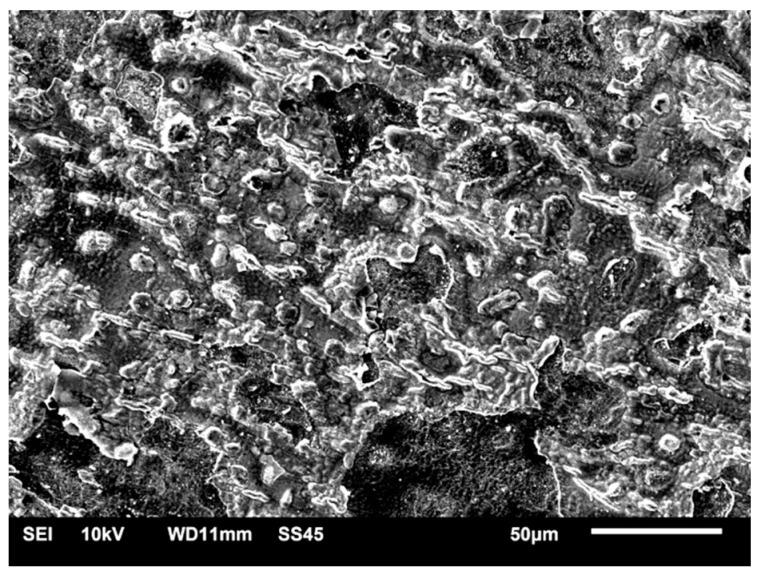
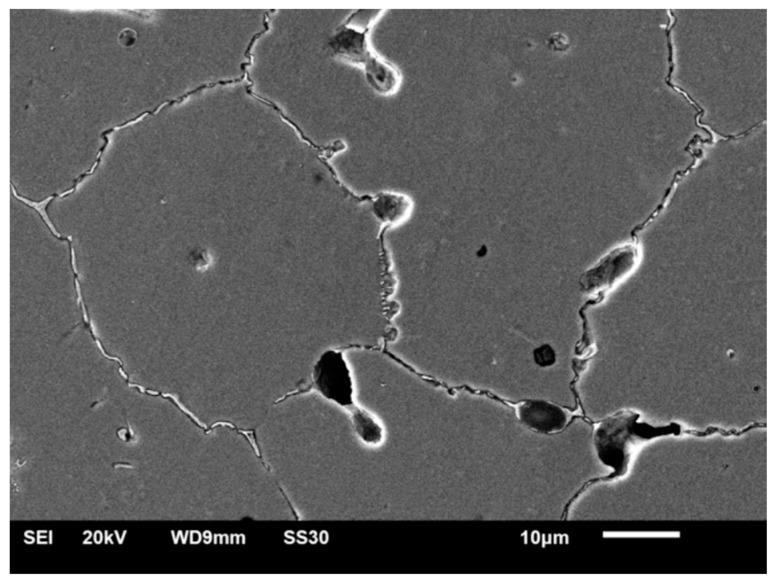
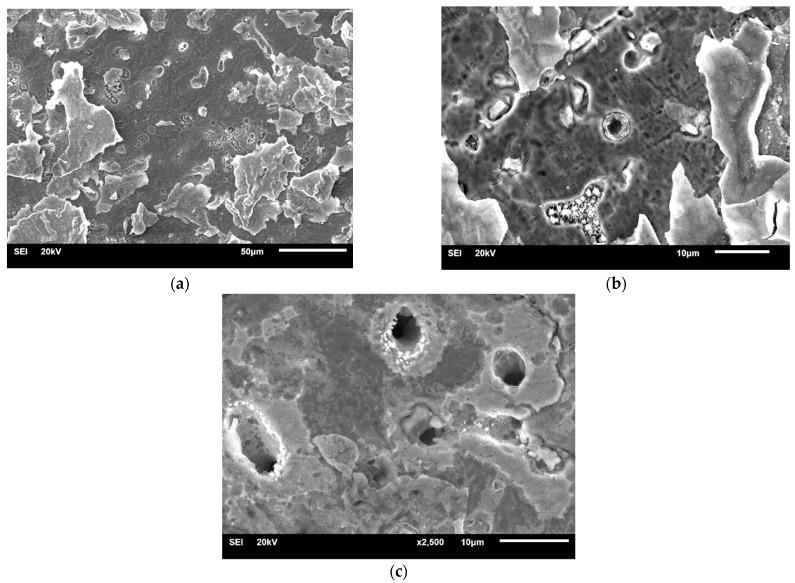
The aim of the study was to evaluate how heat processing used for dental porcelain firing influences the surface properties of sintered and casted CoCr alloy. Two CoCr alloys, Soft Metal LHK (milling in soft material and sintering) and MoguCera C (casting), were used for the study. The samples were examined using SEM-EDS before and after heat treatment. Next, corrosion examinations (E, j, polarization curve, E) were performed. Finally, the samples were evaluated under SEM. Based on the results, the following conclusions might be drawn: 1. Thermal treatment (porcelain firing) did not cause chemical impurities formation on the surface of CoCr alloy; 2. The sintered metal exhibited significantly higher corrosion resistance than the casted one due to its homogeneity of structure and chemical composition; 3. Heat treatment (porcelain firing) decreased the resistance of casted and sintered CoCr alloy to electrochemical corrosion. The reduction in corrosion resistance was significantly higher for the casted alloy than for the sintered alloy; 4. The corrosion resistance decrease might be due to an increased thickness and heterogeneity of oxide layers on the surface (especially for the casted alloy). The development of corrosion process started in the low-density areas of the oxide layers; 5. The sintered metal seems to be a favourable framework material for porcelain fused to metal crowns.
本研究的目的是评估用于牙科烤瓷烧制的热处理如何影响烧结和铸造钴铬合金的表面性能。两种钴铬合金,即Soft Metal LHK(在软材料中铣削并烧结)和MoguCera C(铸造)用于该研究。在热处理前后使用扫描电子显微镜-能谱仪(SEM-EDS)对样品进行检查。接下来,进行腐蚀检测(E、j、极化曲线、E)。最后,在扫描电子显微镜下对样品进行评估。基于这些结果,可以得出以下结论:1. 热处理(烤瓷烧制)未在钴铬合金表面导致化学杂质形成;2. 由于其结构和化学成分的均匀性,烧结金属表现出比铸造金属显著更高的耐腐蚀性;3. 热处理(烤瓷烧制)降低了铸造和烧结钴铬合金的电化学腐蚀抗性。铸造合金的耐腐蚀性降低比烧结合金显著更高;4. 耐腐蚀性降低可能是由于表面氧化层厚度增加和不均匀性(特别是对于铸造合金)。腐蚀过程的发展始于氧化层的低密度区域;5. 烧结金属似乎是烤瓷熔附金属冠的有利框架材料。





 Zotero 插件